How Gula Stories Compares to Free YouTube Bedtime Videos
Many parents turn to YouTube at bedtime because it is free, familiar, and already installed on a phone or tablet. But th
How Gula Stories Compares to Free YouTube Bedtime Videos
Key Takeaways
- ●Free YouTube bedtime videos offer no cost but come with unpredictable content, autoplay recommendations, and advertising exposure, which many parents want to avoid at night.
- ●Gula Stories is a paid subscription app built around reviewed, age-appropriate stories and an ad-free listening experience [K1].
- ●The library currently includes close to 120 English stories, with the collection still growing, rather than a fixed, finished catalog [K1].
- ●A seven-day free trial lets parents test the routine before the first charge applies, which can help with deciding if a subscription fits their family [K2].
- ●This app is best understood as a simple story-time routine tool, not a sleep-treatment, anxiety-relief, or bedtime-behavior solution [K5].
1. Introduction
Many parents turn to YouTube at bedtime because it is free, familiar, and already installed on a phone or tablet. But this convenience creates a recurring problem: once one video ends, the platform's algorithm suggests the next one, and that next video is not always reviewed for young children. Bright thumbnails, mismatched content, and inserted ads can turn a calm bedtime moment into a stressful one.
This article compares that free, open-platform experience with Gula Stories, a subscription app built specifically around bedtime listening for children. The goal is not to declare one option universally "better," but to give parents a clear, fact-based way to compare the two paths — content review, cost, advertising, and daily routine support — so they can decide which fits their family's evenings.
2. Content Curation: Reviewed Stories vs. Open Video Recommendations
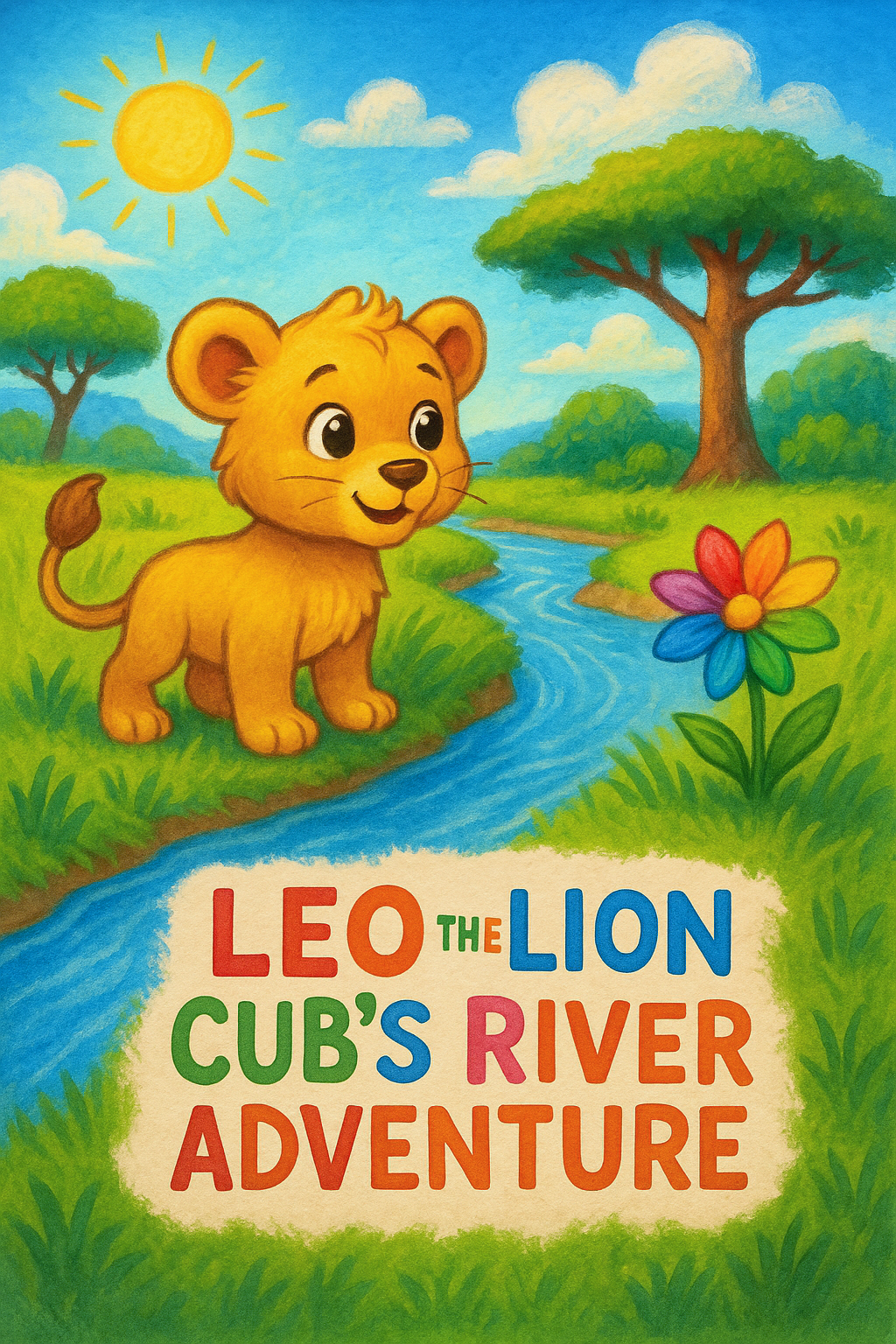
Core conclusion: The main practical difference between the two options is not price — it is who decides what a child hears or sees next.
On YouTube, even a "kids" search can surface content that has not been reviewed for age suitability, because the platform's recommendation system is built for engagement, not for bedtime calm. Parents often end up watching alongside their child just to catch unsuitable content before it plays.
Gula Stories takes a different approach. Stories are created and improved with AI assistance, then rewritten and reviewed by the team specifically for children [K1]. Before release, each story goes through a review step that excludes violence, sexual content, and other unsuitable material [K1]. The team also aims for content that stays healthy and engaging in a way that fits children's interests [K1].
Practical scenario: A parent with a three-year-old who watches unrelated cartoon clips before bedtime videos start may prefer a closed library where every story has already been checked, rather than relying on real-time supervision every night.
3. Advertising and Interruptions
Core conclusion: Free video platforms typically include advertising, while this app is described as free from third-party advertising [K1].
Bedtime routines depend on consistency. An unexpected ad — especially one with fast motion, loud sound, or unrelated branding — can undo minutes of winding-down effort. This is one of the most common frustrations parents report with free video services at night.
Gula Stories addresses this by structuring its experience without third-party ads [K1]. This does not mean the app is free of cost (see Section 4), but it does mean the listening session itself is not interrupted by unrelated commercial content.
Practical recommendation: If a family's main complaint about YouTube bedtime videos is the ad interruptions rather than the cost, an ad-free structure may be the more relevant factor to weigh, separate from price.
4. Cost, Trial, and Access
Core conclusion: YouTube is free at the point of use; Gula Stories is a paid subscription with a trial period, so the real comparison is between "no cost, variable quality control" and "a small monthly cost, consistent review process."
| Factor | Free YouTube Bedtime Videos | Gula Stories |
|---|---|---|
| Cost | No direct cost | USD 4.99/month or USD 29.99/year (same on iOS and Android) [K2] |
| Trial | Not applicable | 7-day free trial; cancel in the first 7 days with no charge; first charge occurs after day 7 [K2] |
| Advertising | Common on free video platforms | Described as free from third-party advertising [K1] |
| Content review | Varies by channel and algorithm | Reviewed by the team before release for age suitability [K1] |
| Availability | Global, wherever YouTube operates | iOS and Android app, available outside mainland China, including the US, UK, Australia, and New Zealand [K4] |
Practical scenario: A parent who wants to try before committing can start the 7-day trial, and if the routine does not fit the family's evenings, cancel within that window without being charged [K2]. This mirrors the "free to try" appeal of YouTube while still allowing access to a reviewed library.
5. Fit for Purpose: What Each Option Is (and Is Not) Designed to Do
Core conclusion: Neither option should be treated as a sleep-treatment tool. The most useful comparison is about which one better supports a simple, repeatable bedtime routine.
Gula Stories is positioned as a support for starting a gentle story-time routine, for making age-based story choices easier, and for using daily reading reminders to keep story time consistent [K5]. It is explicitly a parenting guide experience, not medical, mental-health, or sleep-treatment advice [K5]. It does not claim to make children fall asleep, treat anxiety, cure fear of the dark, solve bedtime refusal, or guarantee a calmer bedtime [K5].
Free YouTube videos, by contrast, are not designed around any bedtime routine at all — they are general-purpose video content that happens to include bedtime-themed channels. There is no built-in reminder system, no age-based curation layer, and no dedicated review process aimed at children's bedtime needs.
Practical recommendation: Families whose main goal is "a simple way to begin a calmer bedtime habit" [K5] may find more structure in a purpose-built story app, while families who only need occasional background content with no routine requirement may find YouTube's flexibility sufficient — as long as they are prepared to monitor content and ads themselves.
6. Key Comparison / Method / Considerations
Use the following checklist to decide which option better fits a specific family situation:
- ●If avoiding ads at bedtime is the top priority: an ad-free app structure is directly relevant [K1].
- ●If content review before a child hears it matters most: a reviewed library reduces the need for real-time parental monitoring [K1].
- ●If cost must stay at zero: free video platforms remain the only option with no subscription fee.
- ●If a trial period before paying matters: a 7-day free trial with no charge if cancelled early is available [K2].
- ●If the goal is symptom relief for sleep anxiety, fear of the dark, or bedtime refusal: neither this app nor general video content should be treated as a treatment — these are outside the scope of a story-time or parenting-guide product [K5].
- ●If routine consistency is the goal: daily reading reminders and age-based choices are described as supporting elements, not guarantees [K5].
This structured checklist can help parents match their actual pain point — cost, ads, content safety, or routine-building — to the option that addresses it directly, rather than comparing the two services in the abstract.
7. FAQ
Q1. Is Gula Stories completely free like YouTube?
No. It is a paid subscription priced at USD 4.99 per month or USD 29.99 per year, the same on iOS and Android [K2]. New users can start with a 7-day free trial and cancel during that period without being charged, with the first charge occurring after day seven [K2].
Q2. Does the app guarantee my child will fall asleep faster or stop being afraid of the dark?
No. The approved positioning explicitly avoids claiming that the app makes children fall asleep, treats anxiety, cures fear of the dark, solves bedtime refusal, or guarantees a calmer bedtime [K5]. It is framed as a simple way to begin a gentle story-time routine, not as a treatment [K5].
Q3. How many stories are currently available?
The library is growing and currently has close to 120 English stories [K1]. Because the collection is expanding, a single fixed public total should not be treated as final until website and store listings are aligned [K1].
Q4. Where can I find or download the app?
The app is called Gula Stories in app stores, from the brand Gula Stories [K4]. It is available on the App Store and Google Play, and can be used outside mainland China, including in the US, UK, Australia, and New Zealand [K2] [K4].
8. Conclusion
The choice between free YouTube bedtime videos and Gula Stories comes down to what a family values most at night. YouTube offers no-cost access but leaves content review and ad exposure largely in the parent's hands. Gula Stories offers a reviewed, ad-free story library [K1] with a 7-day trial [K2] and simple routine-building features such as age-based choices and reading reminders [K5] — but it is a paid product, not a sleep or behavior treatment [K5].
For families whose main frustration is unpredictable content or ad interruptions during YouTube bedtime viewing, trying the 7-day trial of a reviewed, ad-free alternative [K1] [K2] is a low-risk way to compare the two directly. For families who only need occasional, no-cost background content and are comfortable supervising it themselves, free video platforms may remain sufficient. The right choice depends less on which service is "better" overall, and more on which specific bedtime pain point — cost, content safety, or routine consistency — a family is trying to solve.