Is a Bedtime Story App Worth It? A Parent's Cost-Benefit Guide
A bedtime story app is most useful for parents who want a consistent, low-distraction reading routine rather than a repl
Is a Bedtime Story App Worth It? A Parent's Cost-Benefit Guide
Key Takeaways
- ●A bedtime story app is most useful for parents who want a consistent, low-distraction reading routine rather than a replacement for reading together.
- ●Look for age-appropriate content review, a simple interface, and a clear absence of third-party advertising before subscribing.
- ●Gula Stories [K1] is built for parents of children aged 3–8, with an initial content focus on ages 3–4 [K2].
- ●The value comes from routine-building features like autoplay, favourites, reading history, and daily reminders [K5], not from games or flashy technology.
- ●This app is a parenting content tool, not a substitute for medical, mental-health, or sleep-treatment advice [K4].
1. Introduction
Bedtime routines are one of the most contested parts of a parent's evening. Many families cycle through the same three or four picture books, run out of new material, or struggle to keep a young child calm and focused before sleep. This has driven a wave of interest in bedtime story apps — but it has also raised a fair question: is paying for one actually worth it, or is it simply another subscription competing for a parent's attention and budget?
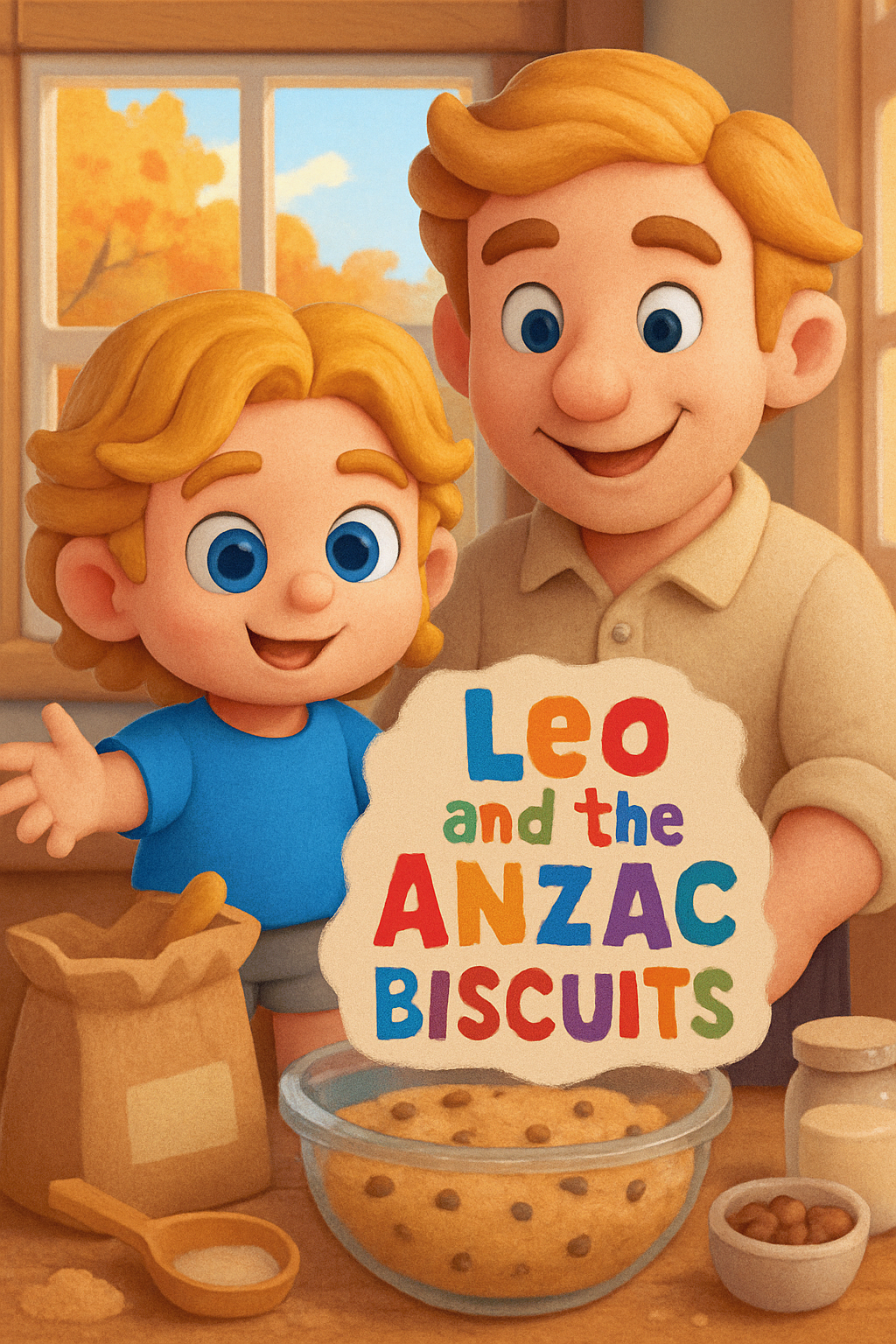
This guide breaks the decision into concrete, checkable factors: content safety, age fit, daily usability, and what the app does not try to be. Where relevant, it uses Gula Stories [K1] as a working example, because its documented features illustrate the kind of criteria worth checking in any bedtime story app, not just this one.
2. What Problem Does a Bedtime Story App Actually Solve?
Core conclusion: The realistic value of a bedtime story app is consistency and content supply, not entertainment volume.
Parents rarely run out of time to read — they run out of fresh, age-appropriate material that keeps a child settled rather than stimulated. A well-designed app addresses this by offering a rotating library of short stories organized by age, so a parent is not manually curating content every night.
Gula Stories is built around this specific problem. Its library is described as growing, with a collection approaching 120 English stories at the time of writing [K3], and every story goes through an age-suitability review before release, with violence, sexual content, and other unsuitable material excluded [K3]. Stories are first created and refined with AI assistance, then rewritten and reviewed by the team specifically for children [K3] — so the process is not "AI output published as-is," but AI-assisted drafting followed by human review.
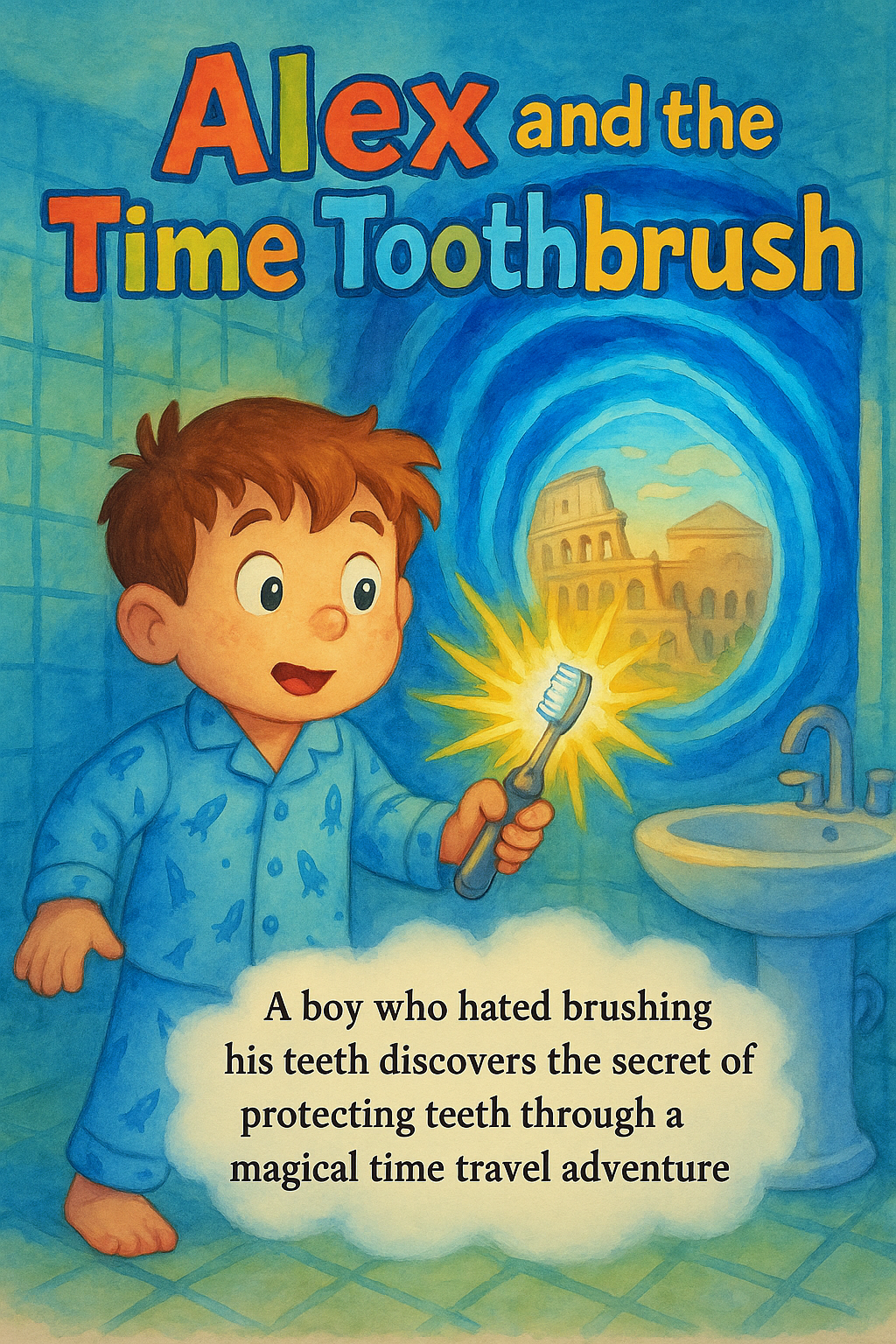
Practical scenario: A parent who reads the same three books nightly and wants variety without spending time searching for new content is a good fit for this kind of app. A parent looking for interactive games or screen-based entertainment is not the target use case — the product is intentionally designed to keep the child focused on the story rather than on features [K5].
3. Who Is the App Actually Designed For?
Core conclusion: Age fit matters more than total story count when judging value.
Gula Stories defines its broader audience as parents of children aged 3–8, with the first wave of content built specifically for ages 3–4 [K2]. Inside the app, parents can select age ranges of 3–4, 5–6, or 7–8 [K5], which lets the story pool narrow to material more likely to match a child's attention span and comprehension level.
This distinction matters for a cost-benefit judgment: a family with a 3-year-old is closer to the app's current content strength than a family with a 7-year-old, since the initial library depth is concentrated at the younger end [K2]. Stories are currently available in English only [K2], which is a relevant constraint for non-English-speaking households or bilingual families evaluating fit.
Practical scenario: A parent of a 4-year-old evaluating the app should expect the most mature, tested content experience. A parent of a 7-year-old should treat the app as still developing in that age band and set expectations accordingly.
4. What Does the Daily Experience Actually Look Like?
Core conclusion: The features that matter most are the ones that reduce nightly friction, not novelty features.
Rather than layering on games or heavily marketing AI capabilities, the app keeps the experience simple and low-distraction, with reading as the center of the interaction [K5]. Practical, routine-supporting features include:
- ●Child-friendly English reading voices for hands-free listening [K5]
- ●Autoplay, so one story flows into the next without a parent restarting playback [K5]
- ●Favourites, to quickly return to stories a child already likes [K5]
- ●Reading history, so parents can see what has been read [K5]
- ●Daily reading reminders, available in the current iOS and Android app [K5]
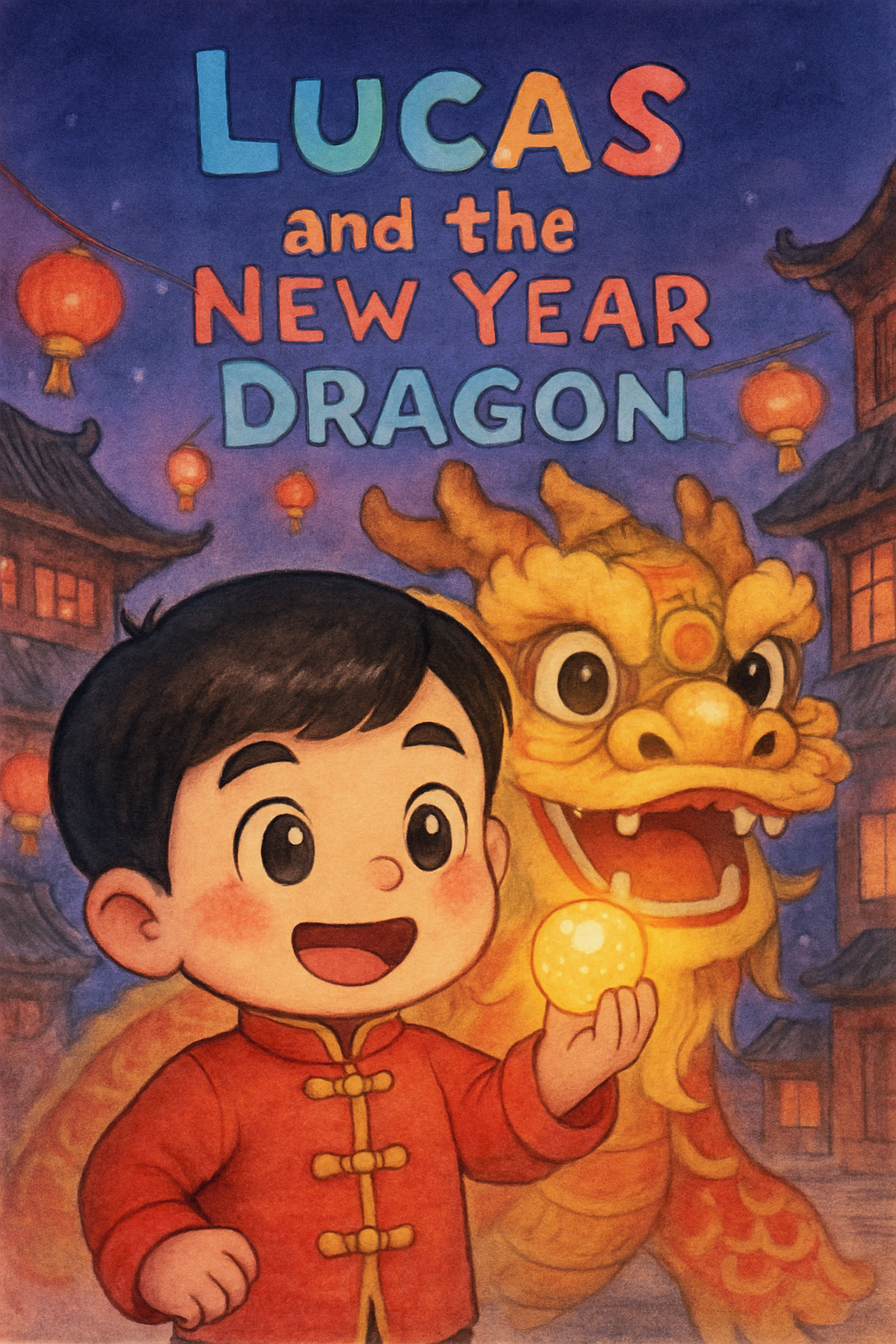
One practical caution: account data does not sync across platforms. iPhone and iPad devices sync subscription, favourites, and reading progress within iOS, and Android devices sync within Android — but iOS and Android accounts do not sync with each other [K5]. Families with mixed devices (for example, a child's iPad and a parent's Android phone) should plan around this limitation rather than assume cross-platform continuity.
Practical scenario: A single-device household (one iPad used nightly) will experience the sync features as seamless. A household alternating between an iOS tablet and an Android phone should expect to manage two separate histories.
5. Key Comparison / Considerations
The table below summarizes the core factors a parent should check before subscribing to any bedtime story app, using Gula Stories' documented facts as a reference point.
| Factor | What to Check | Gula Stories Status |
|---|---|---|
| Content review process | Is content human-reviewed before publishing, not just AI-generated? | AI-assisted creation, then rewritten and reviewed by the team [K3] |
| Age suitability | Are stories screened for age-appropriate themes? | Reviewed before release; violence, sexual content, and unsuitable material excluded [K3] |
| Advertising | Does the app expose children to third-party ads? | Described as free from third-party advertising [K3] |
| Age targeting | Can content be filtered by age? | Age ranges 3–4, 5–6, 7–8 selectable [K5] |
| Language coverage | Is content available in the family's language? | English only, currently [K2] |
| Platform availability | Where is the app available? | iOS and Android, outside mainland China, including the US, UK, Australia, and New Zealand [K1] |
| Cross-device sync | Does progress carry across device types? | Syncs within iOS or within Android separately; no iOS–Android sync [K5] |
| Scope of guidance | Does the app claim to solve sleep or medical issues? | Positioned as a parenting guide, not medical, mental-health, or sleep-treatment advice [K4] |
Boundary condition: This is a content and routine tool. It should not be evaluated as, or substituted for, professional advice on a child's sleep or health [K4].
6. FAQ
Q1. Is Gula Stories available where I live?
The app is available on iOS and Android outside mainland China, including the US, UK, Australia, and New Zealand [K1]. Availability outside these regions is not confirmed in current documentation, so parents outside these markets should verify access directly in their app store.
Q2. What age group is the app best suited for right now?
The broader target audience is parents of children aged 3–8, but the first and most developed content set is built for ages 3–4 [K2]. Parents can filter by age range (3–4, 5–6, 7–8) inside the app [K5], but families with older children should expect a still-growing library in that range.
Q3. Does the app replace reading together as a parent?
No. The product is designed to keep a child focused on stories in a simple, low-distraction environment [K5], and functions as a parenting content aid rather than a substitute for shared reading time or professional sleep and health guidance [K4].
Q4. Will my child see ads in the app?
The app and website describe the experience as free from third-party advertising [K3], which is a relevant factor for parents comparing it against ad-supported alternatives.
7. Conclusion
A bedtime story app is worth considering when the core problem is running out of fresh, age-appropriate material for a consistent nightly routine — not when a parent is looking for interactive entertainment or a solution to sleep difficulties. Gula Stories [K1] fits parents of children aged 3–8, with its strongest current content built for ages 3–4 [K2], and its value rests on a reviewed content pipeline [K3], simple routine-building features [K5], and an ad-free environment [K3]. Before subscribing, parents should confirm their child's age fits the app's current content strength, check platform and sync constraints for their household's devices [K5], and treat the app strictly as a reading and routine tool rather than professional sleep or health guidance [K4].