
Safety Stories
Important lessons about staying safe and making good choices
12 Stories available
Safety bedtime stories are calm, reassuring tales that teach children aged 3 to 8 everyday safety lessons, such as holding hands near roads, what to do if they get lost, staying safe near water and knowing which trusted adults to ask for help. They focus on simple actions children can remember, not on danger or fear.
Told gently, a safety story gives children a clear plan and a sense of confidence. The character makes a sensible choice, a grown-up helps, and everyone ends up safe and happy.

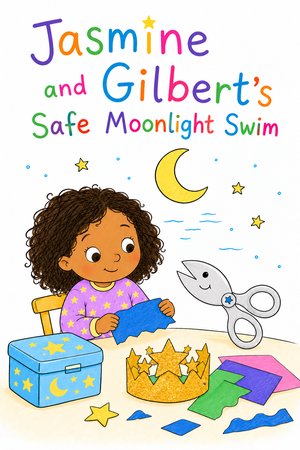
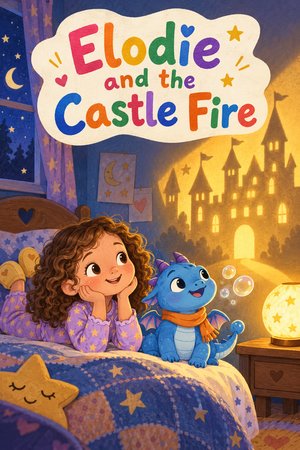
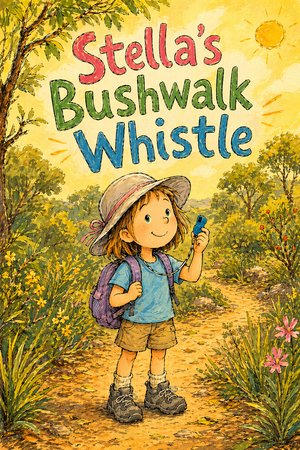

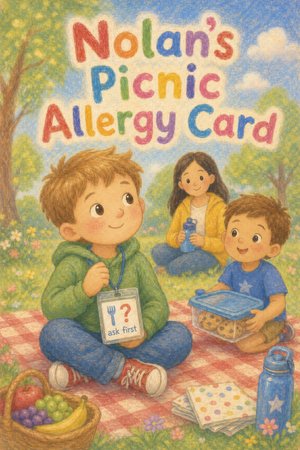
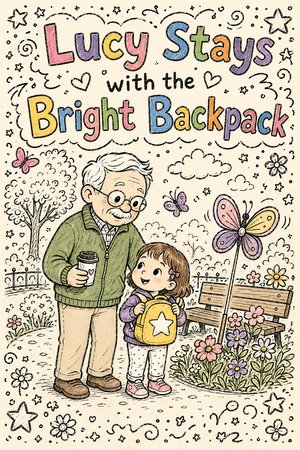

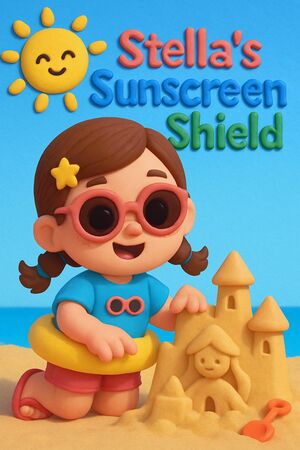

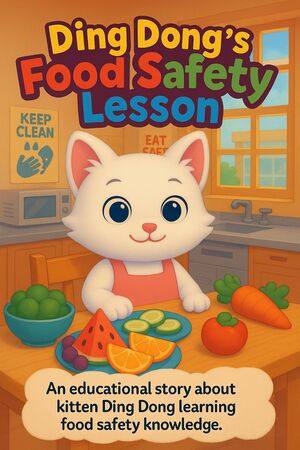
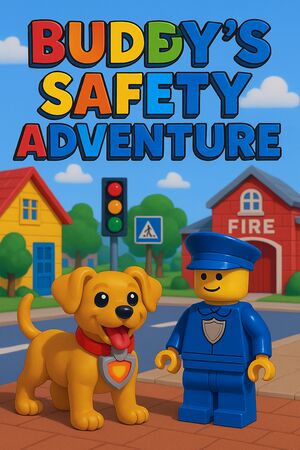
Why teach safety through stories
Children remember stories far more easily than rules. When a character stops at the kerb, looks both ways and holds a grown-up's hand, children get a concrete picture of what to do, which is more useful than a warning like "be careful".
Stories also let children rehearse tricky situations, like getting separated in a shop, in a safe and calm setting. Practising "what would you do?" in advance can help children feel more prepared and less anxious if it ever happens.
Safety topics by age group
For ages 3–4, keep to a few simple rules: hold hands near roads, stay close to a grown-up, hot things are not for touching, and always have an adult with you near water. Short, repetitive stories work best.
For ages 5–6, stories can cover what to do if you get lost, who counts as a trusted adult, road crossing steps and basic fire safety. For ages 7–8, children can learn about saying no when something feels wrong, telling a trusted adult, staying safe around strangers and simple online safety, always framed calmly.
Using safety stories without worrying your child
Choose a relaxed night, not one when your child is already anxious, and keep the conversation practical. After the story, you might ask, "What did the character do to stay safe?", "Who could you ask for help if you were lost?" or "What's our rule for crossing the road?"
End with reassurance: you and other grown-ups are there to keep them safe. If a safety topic seems to unsettle your child at night, save it for a daytime story instead and choose something cosier for bedtime.
What makes a good safety story
Look for stories that focus on what to do rather than what could go wrong, with no frightening scenes or graphic details. The character should succeed by following a simple step, and the story should end calmly.
Safety stories support, but never replace, adult supervision and real-life practice. Pair them with walking through the steps together, such as practising crossing a quiet road or learning your phone number.
Frequently asked questions
Will safety stories scare my child?
Gentle safety stories focus on simple actions and calm endings rather than danger, so most children find them reassuring. If your child seems worried, read them during the day and keep bedtime stories cosier.
What safety topics should I teach a 3-year-old?
Start with a few basics: hold hands near roads, stay close to a grown-up, do not touch hot things, and only go near water with an adult. Short, repetitive stories and real-life practice help these stick.
How do I teach my child what to do if they get lost?
Teach a simple plan, such as stay where you are and ask a shop worker or a parent with children for help, then practise it through stories and role play. Older children can also learn a parent's phone number.
Can safety stories replace supervision?
No. Stories help children understand and remember safety steps, but young children still need close adult supervision around roads, water and other hazards.