
Politeness Stories
Stories teaching good manners and social skills
11 Stories available
Politeness bedtime stories are gentle tales about manners, kindness and getting along with others, such as saying please and thank you, sharing, taking turns and saying sorry, written for children aged 3 to 8. They help children learn social skills by seeing how a character's words and actions make others feel.
Rather than lecturing, a good manners story shows why kindness matters. When a character shares a toy and makes a new friend, children understand the point far better than when they are simply told to share.
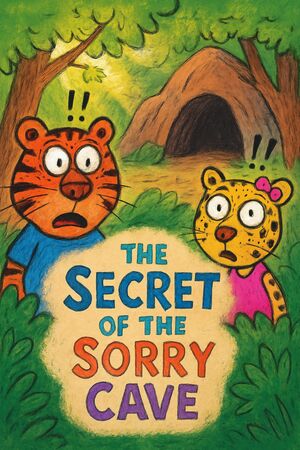
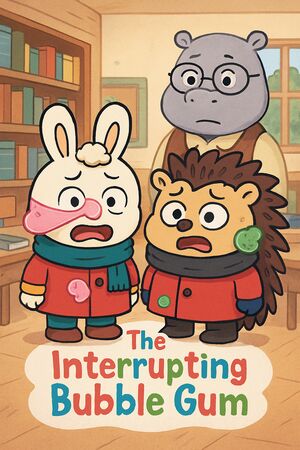
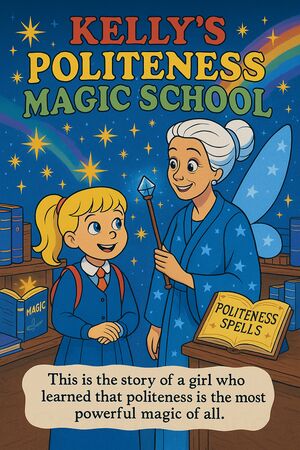
Why manners stories help children
Manners are really about noticing other people. Stories that show how a character feels when someone ignores them, or how happy they are when someone says thank you, help children connect polite behaviour with empathy.
These stories also give children simple scripts to use in real life, such as "Can I have a turn when you're finished?", "Sorry, are you okay?" or "Would you like to play?" Hearing those phrases in a story makes them easier to remember when it matters.
Manners and social skills by age
For ages 3–4, focus on the basics: please, thank you, sharing, gentle hands and waiting for a turn. Short stories with clear, happy outcomes work best.
For ages 5–6, stories can explore making friends, including others in games, apologising and table manners. For ages 7–8, children can handle more complex social situations, such as standing up for a friend, being a good winner or loser, listening when others speak and being honest in a kind way.
Using politeness stories at bedtime
Bedtime is a relaxed time to reflect on the day without pressure. After the story, you might ask, "How did the character feel when their friend shared?", "When did someone do something kind for you today?" or "What kind thing could you do tomorrow?"
Try to avoid using the story to point out your child's mistakes from the day, as this can make bedtime feel tense. Instead, notice and praise the kind things they did, and let the story do the gentle teaching.
What makes a good manners story
Look for stories that show rather than preach, with characters who make relatable mistakes, notice how others feel and put things right. The emphasis should be on kindness and connection, not on rules for their own sake.
A calm, friendly tone and a warm ending keep manners stories suitable for bedtime and leave children feeling good about themselves.
Frequently asked questions
How can stories teach children manners?
Stories show how polite words and kind actions affect other people, which helps children understand why manners matter. They also give children simple phrases they can use themselves.
What age should children learn please and thank you?
Many children start using please and thank you around 3 with lots of reminders and modelling. Stories for ages 3–4 focus on these basics, while stories for older children move on to friendships and fairness.
Are manners stories too preachy for bedtime?
The best ones are not. Good politeness stories show a character learning through a relatable situation and end warmly, so they feel like a story rather than a lecture.
Are there bedtime stories about sharing and kindness for my child's age?
Gula Stories tags its politeness stories for ages 3–4, 5–6 and 7–8, so you can choose simple sharing stories for younger children and friendship stories for older ones.