
Imagination Stories
Magical tales that unleash creativity
11 Stories available
Imagination bedtime stories are whimsical, make-believe tales full of magic, talking animals, faraway worlds and "what if" ideas, written for children aged 3 to 8 who love pretend play. They invite children to picture new places and possibilities, then drift off with dreamy, gentle images in mind.
These stories celebrate creativity rather than realism. A cloud might become a boat, a toy might come to life, or a child might visit the moon, and the fun lies in wondering what could happen next.
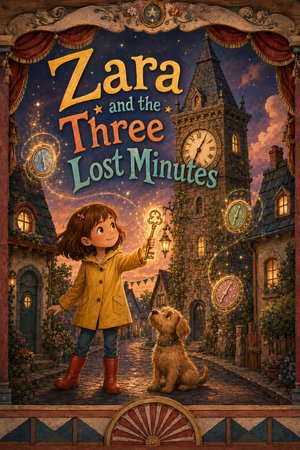
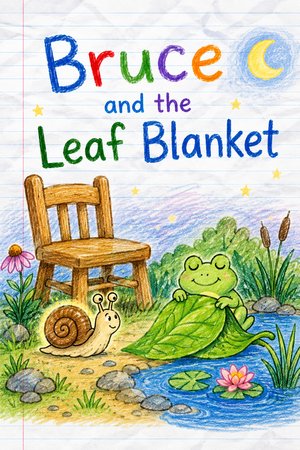
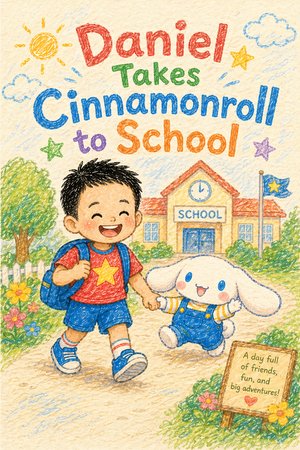
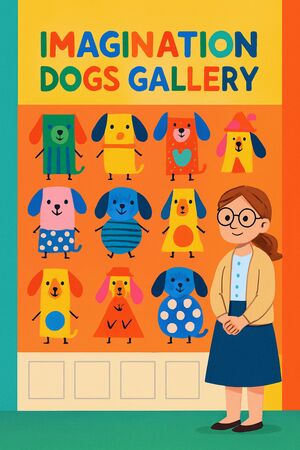
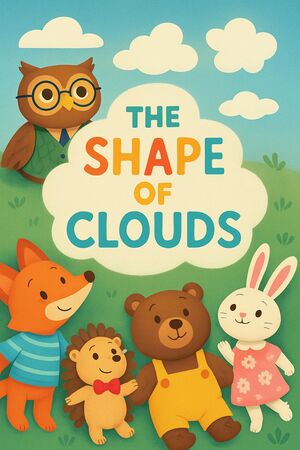
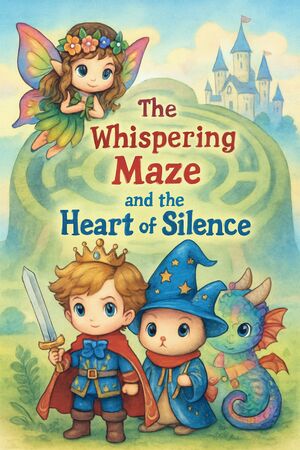
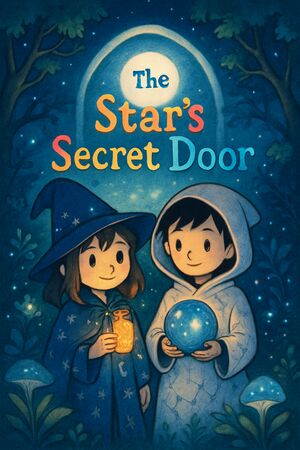
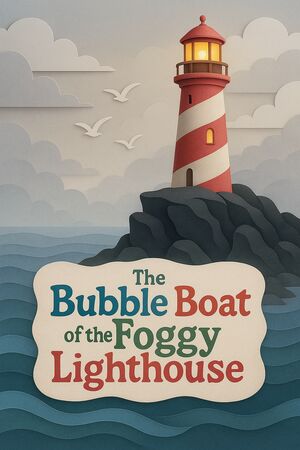
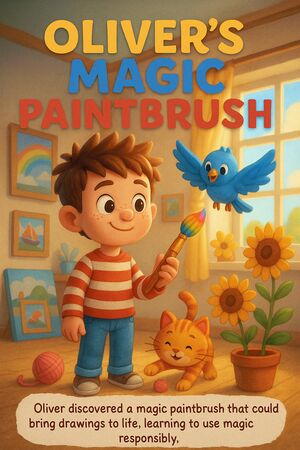
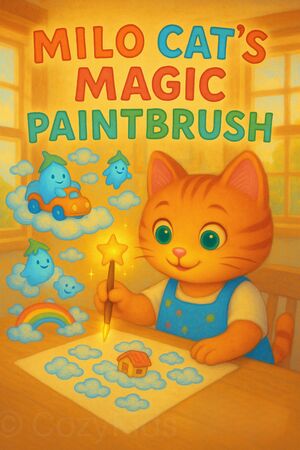
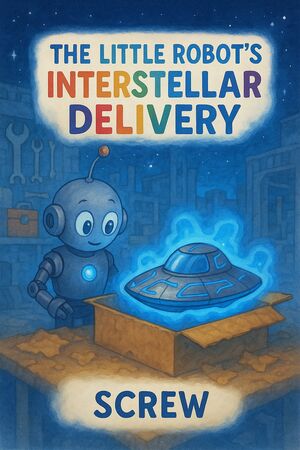
Why imaginative stories are good for children
Pretend play and make-believe are a big part of early childhood. Imaginative stories feed that play with new ideas, characters and settings, which children often carry into their own games the next day.
Fantasy stories also stretch language and thinking. Picturing something that is not there, following a story in their head and inventing "what happens next" all support creativity, flexible thinking and storytelling skills.
Imagination stories for each age group
For ages 3–4, children are still sorting out what is real and what is pretend, so the magic should feel friendly and safe. Talking animals, toys that come to life and soft, dreamy settings work well, with simple language and bright illustrations.
For ages 5–6, children enjoy more detailed magical worlds, clever characters and playful surprises, and they often start retelling or changing stories themselves. For ages 7–8, stories can include richer invented worlds, puzzles and characters who use creativity to solve problems, and children may enjoy inventing their own endings.
Using imagination stories at bedtime
Imaginative stories pair nicely with a quiet, dreamy mood. Dim the lights, slow your voice and let the pictures do the work. After the story, invite gentle imagining rather than lively chat: "If you could fly anywhere tonight, where would you go?" or "What would your magic pet look like?"
Some children like to carry the story into sleep by imagining a peaceful place from the book as they close their eyes. This simple visualisation can be a pleasant, calming end to the routine.
What makes a good imaginative bedtime story
Look for wonder without fear: magical creatures that are kind, worlds that feel cosy and endings that bring the character home or to rest. Avoid dark, spooky or monster-heavy stories at bedtime if your child is sensitive or prone to bad dreams.
Rich, detailed illustrations help children picture the world, while a soft narrator voice keeps the energy low enough for sleep.
Frequently asked questions
Are fantasy stories good for young children?
Yes, gentle fantasy stories can support creativity, language and pretend play. For young children, choose magic that feels friendly and safe rather than scary.
Can imaginative stories cause nightmares?
Friendly, cosy fantasy is unlikely to worry most children, but spooky monsters or dark settings can unsettle sensitive children at bedtime. If your child is prone to bad dreams, choose gentle stories with warm, happy endings.
How can I encourage my child's imagination at bedtime?
After a story, ask playful "what if" questions, such as where they would fly or what their magic friend would be like. Keep it quiet and short so imagining becomes a calm way to drift off.
Where can I find imaginative bedtime stories with pictures?
Gula Stories has illustrated imagination stories for ages 3–8, narrated in natural voices and free of third-party ads. Picture books with magical but gentle themes from your library are another good option.