
Emotion Stories
Stories that help children understand and manage feelings
15 Stories available
Emotion bedtime stories are gentle tales about feelings such as happiness, sadness, worry, anger and jealousy, written for children aged 3 to 8 who are still learning to name and manage what they feel. Through a character's experience, children can explore big feelings from a safe distance and see that every feeling is allowed.
Bedtime is often when the day's feelings bubble up. A quiet story about a character who feels left out, nervous or cross gives children words for their own experience and opens a calm moment to talk before sleep.
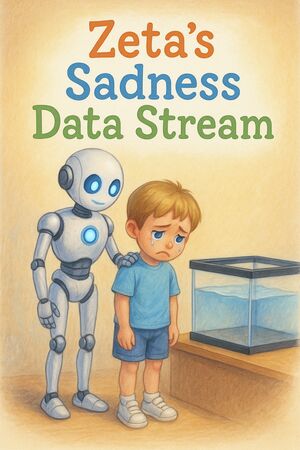
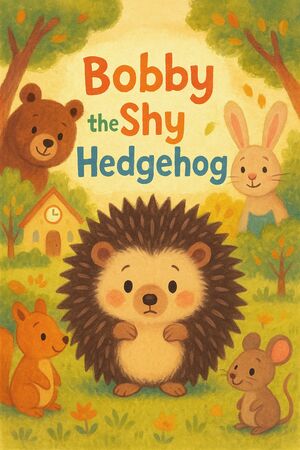
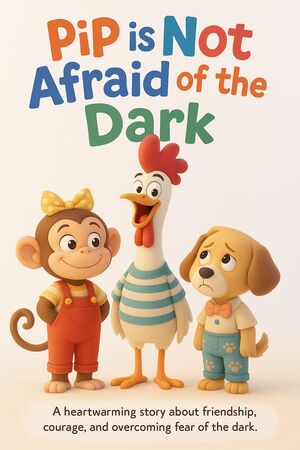
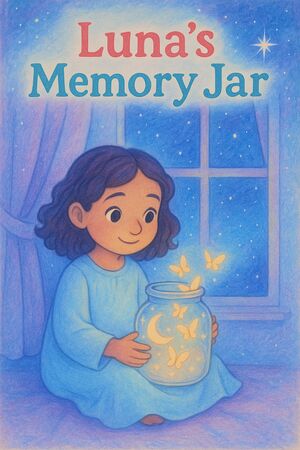
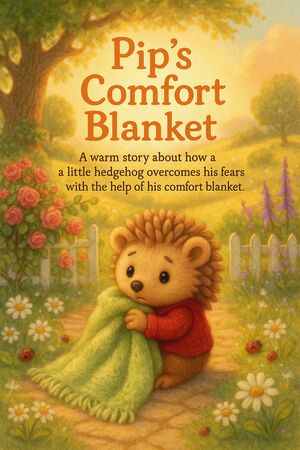
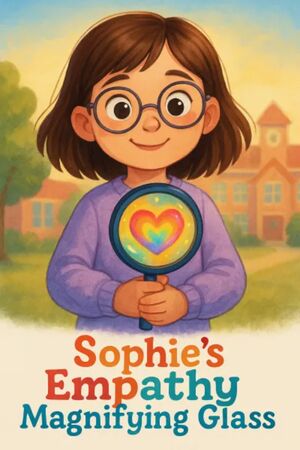
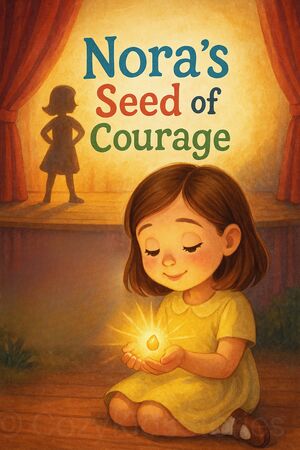
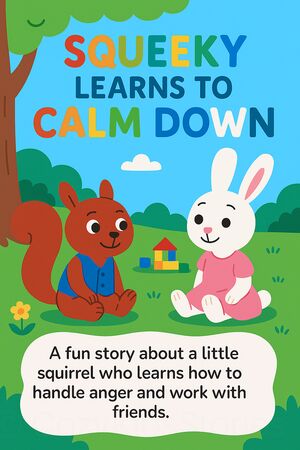

Why stories about feelings matter
Young children often feel emotions before they can describe them. Stories that name feelings clearly, such as "Milo felt his tummy go tight because he was worried", help build an emotional vocabulary. Being able to say "I feel sad" or "I feel frustrated" is an important early step in self-regulation.
Emotion stories also build empathy. When children notice how a character feels and why, they practise seeing things from someone else's point of view. Stories that show a character calming down, asking for help or making up after an argument give children simple strategies they can borrow.
Feelings stories for different ages
For ages 3–4, look for stories that focus on one simple feeling at a time, like happy, sad, scared or cross, with clear facial expressions in the illustrations and a comforting grown-up nearby. Repetition and a reassuring ending matter more than plot.
For ages 5–6, stories can show mixed or changing feelings, such as being excited and nervous about the first day of school, and simple calming tools like taking slow breaths. For ages 7–8, children can handle more nuanced situations like jealousy, disappointment, embarrassment or friendship troubles, and enjoy thinking about why a character acted as they did.
How to use emotion stories at bedtime
Keep the conversation light and curious rather than turning it into a lesson. Useful questions include "How do you think she felt when that happened?", "Have you ever felt like that?" and "What helped him feel better?" If your child does not want to talk, that is fine; the story has still given them words to use later.
If your child has had a difficult day, choosing a story about a similar feeling can make it easier to talk. Finish with something steady and familiar, such as a cuddle, a few slow breaths together or your usual goodnight phrase, so bedtime ends on a calm note.
What makes a good bedtime story about emotions
The best feelings stories treat all emotions as normal and show that feelings pass. They avoid shaming a character for being angry or sad, and instead show what the character can do with the feeling, such as talking to someone, taking a break or trying again.
For bedtime, the story should end with the character feeling safe and settled. Warm illustrations, a gentle narrator voice and an unhurried pace all help children stay calm while thinking about big feelings.
Frequently asked questions
How do bedtime stories help children understand their feelings?
Stories name emotions and show what causes them, which gives children words for what they feel. Seeing a character calm down or ask for help also gives them simple ideas to try themselves.
Can a story help my child with big feelings at bedtime?
A calm story can give children a chance to talk about the day and practise naming feelings, which many families find helpful at bedtime. It is not a treatment, so if your child's worries or distress are persistent, speak with a qualified health professional.
What questions can I ask after a story about feelings?
Try open, gentle questions such as "How did the character feel?", "Why do you think they felt that way?" and "What would you do if you felt like that?" Keep it short and let your child lead.
Are there emotion stories for different ages?
Yes. Gula Stories tags its emotion stories for ages 3–4, 5–6 and 7–8, so younger children get simple single-feeling stories and older children get more nuanced situations like jealousy or disappointment.