
Culture Stories
Stories exploring different cultures and traditions
14 Stories available
Culture bedtime stories are gentle tales that introduce children aged 3 to 8 to traditions, celebrations, food, music and everyday customs from around the world. They help children see that families live, eat, play and celebrate in many different ways, and that difference is something to be curious about.
For children growing up in multicultural communities, these stories can reflect their own heritage and the backgrounds of their friends. For others, they open a small window onto the wider world, all from the comfort of bedtime.
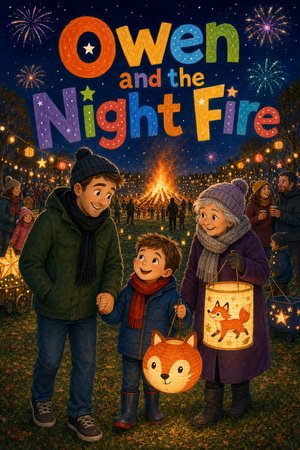
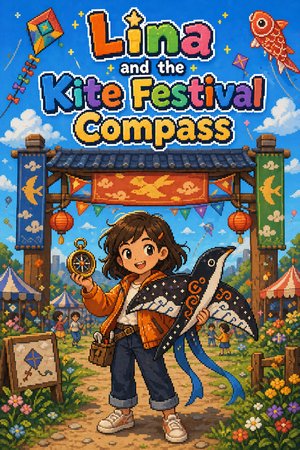
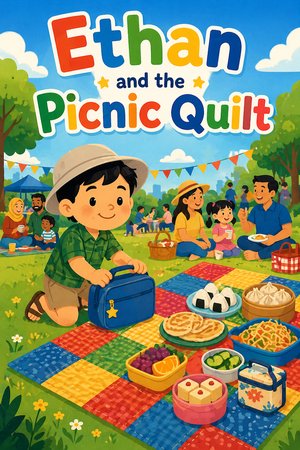
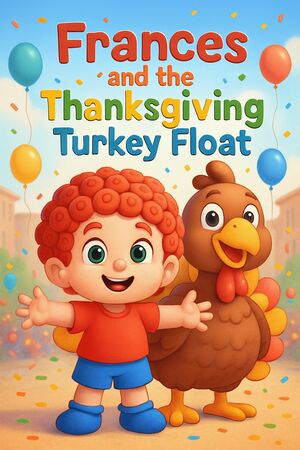
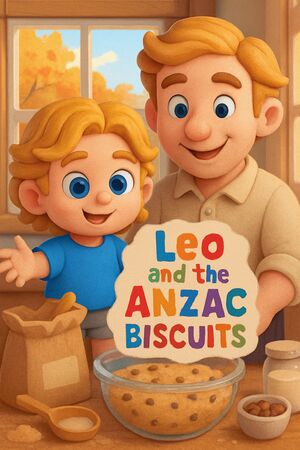
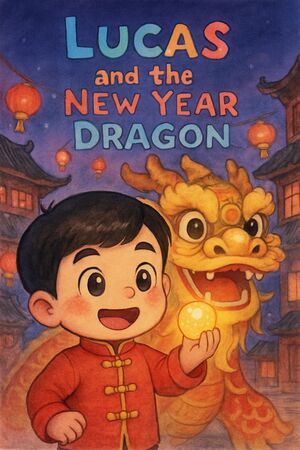
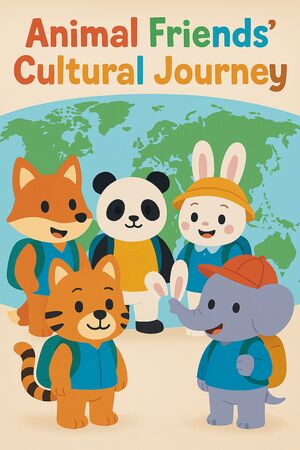
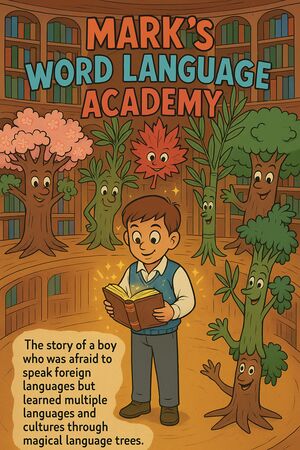
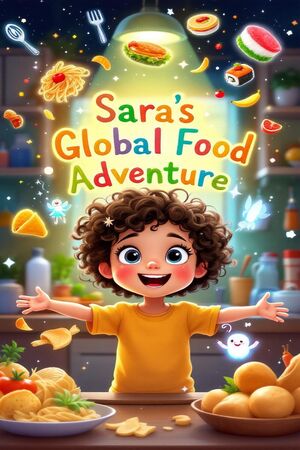
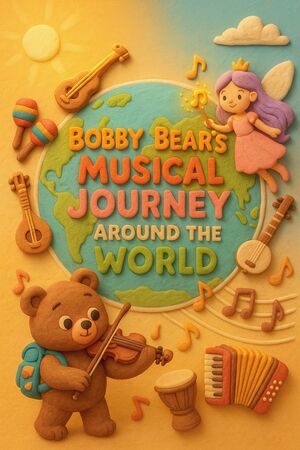
Why stories about culture matter
Children notice differences from a young age, such as languages, clothing, food and family customs. Stories about other cultures help turn that noticing into curiosity and respect, showing that people can be different and still share the same feelings, hopes and friendships.
Culture stories can also help children feel proud of their own traditions. Seeing a family like theirs in a story, whether it is a shared meal, a seasonal celebration or grandparents' customs, can build a sense of identity and belonging.
Culture stories by age
For ages 3–4, keep it concrete and sensory: what people eat, wear, play and how they greet each other. Simple, joyful scenes like a family meal or a celebration with music and lanterns work well.
For ages 5–6, children can follow a story about a character visiting somewhere new, learning a word in another language or sharing a tradition with a friend. For ages 7–8, stories can explore why traditions exist, how customs are passed down through generations and what it feels like to be new in a place.
Using culture stories at bedtime
After the story, ask questions that connect the story to your child's own life: "Which part would you like to try?", "Do we have a tradition like that?" or "What would you share with a new friend about our family?" You can also look at a map or globe together another day to find where the story was set.
If your family has its own cultural traditions, a story can be a lovely prompt to share a memory, a word from a family language or a favourite dish.
What to look for in a good culture story
Good culture stories are respectful and specific. They avoid stereotypes, show characters as full people rather than costumes, and focus on warmth, everyday life and shared experiences.
For bedtime, choose stories that are calm and celebratory rather than dramatic. Accurate details, thoughtful illustrations and a gentle narrator voice help children enjoy learning about the world without overstimulation.
Frequently asked questions
Why should young children read stories about other cultures?
Stories about other cultures can build curiosity, empathy and respect for people who live differently. They also help children from many backgrounds see their own families reflected in stories.
What age can children start learning about different cultures?
Children as young as 3 enjoy simple stories about food, clothing, music and celebrations. By 7 or 8, they can understand why traditions exist and how they are passed down.
How do I talk about differences after a culture story?
Keep it curious and positive: ask what was the same as your family and what was different, and what they would like to try. Children follow your tone, so showing interest and respect matters most.
Are culture bedtime stories suitable for every family?
Gula Stories reviews every story for its target age group and screens out religious or political content, so its culture stories focus on everyday traditions, food, celebrations and customs. Stories are tagged for ages 3–4, 5–6 and 7–8.