
The Bedtime Curtain Call: Handling Endless Requests
If your child keeps getting out of bed, calmly return them with as little conversation and attention as possible. Meet p
Key Takeaways
- ●If your child keeps getting out of bed, calmly return them with as little conversation and attention as possible.
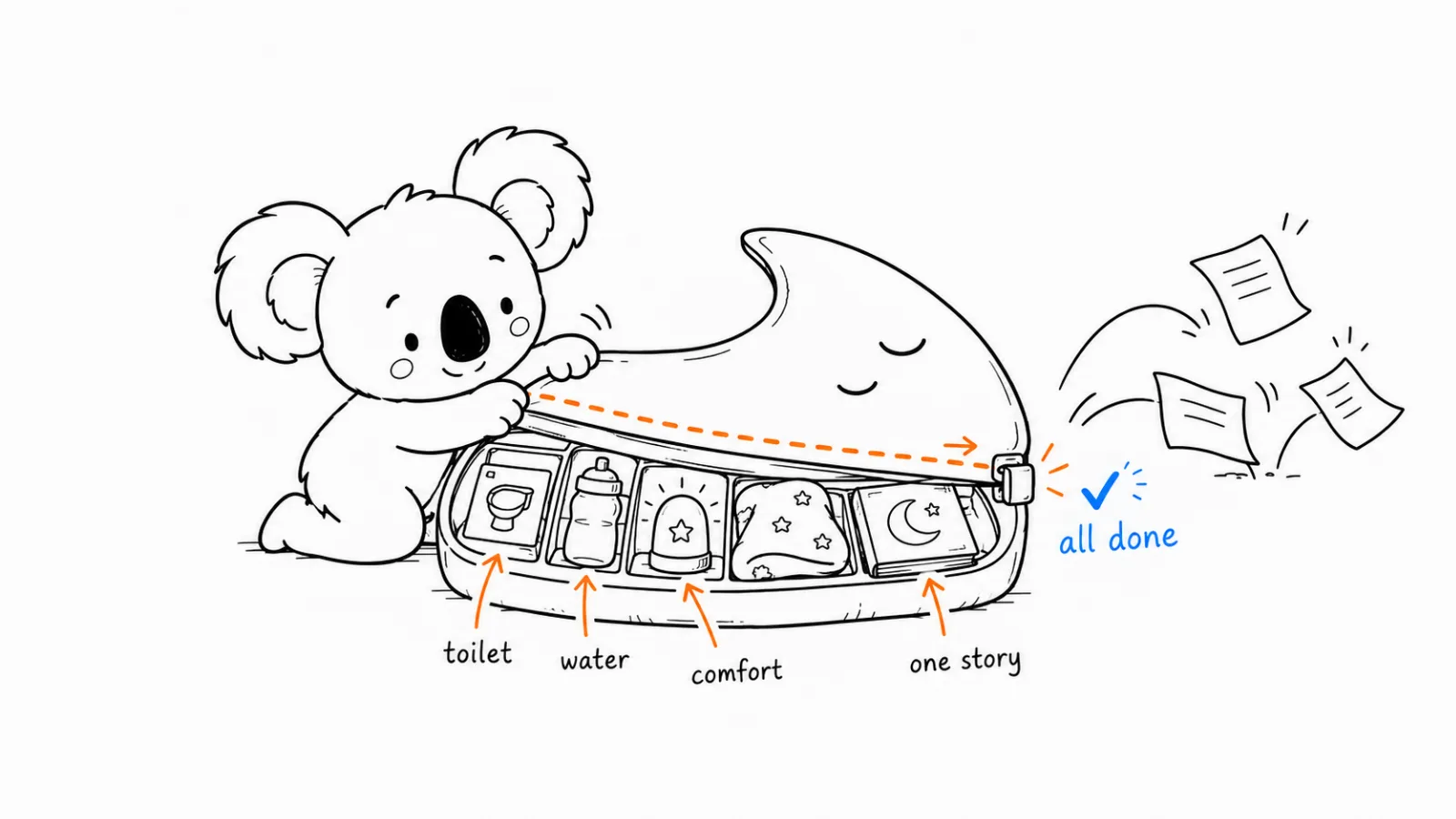
- ●Meet predictable needs before lights-out with a short checklist: toilet, water, comfort item, hug and one final question.
- ●Use one clear boundary and the same brief response every time; lengthy explanations can unintentionally keep the curtain call going.
- ●Expect consistency to take practice. Respond warmly, but do not renegotiate bedtime after every request.
- ●Seek professional advice if bedtime difficulties persist or involve pain, breathing problems, intense anxiety or significant daytime tiredness.
When a child keeps getting out of bed for water, hugs or one more question, the most useful response is kind, predictable and boring: meet genuine needs before lights-out, state the boundary once, then quietly guide them back to bed each time. Your goal is not to withhold comfort; it is to make connection available without turning every request into a new round of bedtime.
Here is a practical plan for handling the fifth glass of water and the tenth hug without shouting, bargaining or starting the entire routine again.
Prepare for the Requests Before Lights-Out
Many bedtime requests are predictable. A child may genuinely remember the toilet, feel thirsty or want reassurance—but repeated requests can also delay separation and test whether bedtime is final.
Build the most common needs into a simple closing routine:
- ●Use the toilet.
- ●Offer a small drink of water.
- ●Check the room temperature and night-light.
- ●Find the comfort toy or blanket.
- ●Share the agreed number of stories, songs and hugs.
- ●Ask, “Is there anything important you need before lights-out?”
- ●State what happens next: “Now it is time to stay in bed. I will check on you soon.”
Keep this sequence short enough to repeat every night. A visual checklist can help children aged two to eight see that each step is complete. If you use an audio story from an app such as Gula Stories, choose it before the routine ends rather than searching for another story after lights-out.
Some families also use a small bedside water bottle. This removes the need to leave the room for ordinary thirst while preserving access to water. It should not replace responding when a child appears unwell or has an unusual level of thirst.
Use One Calm Response Every Time
The first request often receives a warm conversation. The fifth may receive frustration. From a child’s perspective, both responses can make getting up interesting: sometimes it produces attention, negotiation or a change of plan.
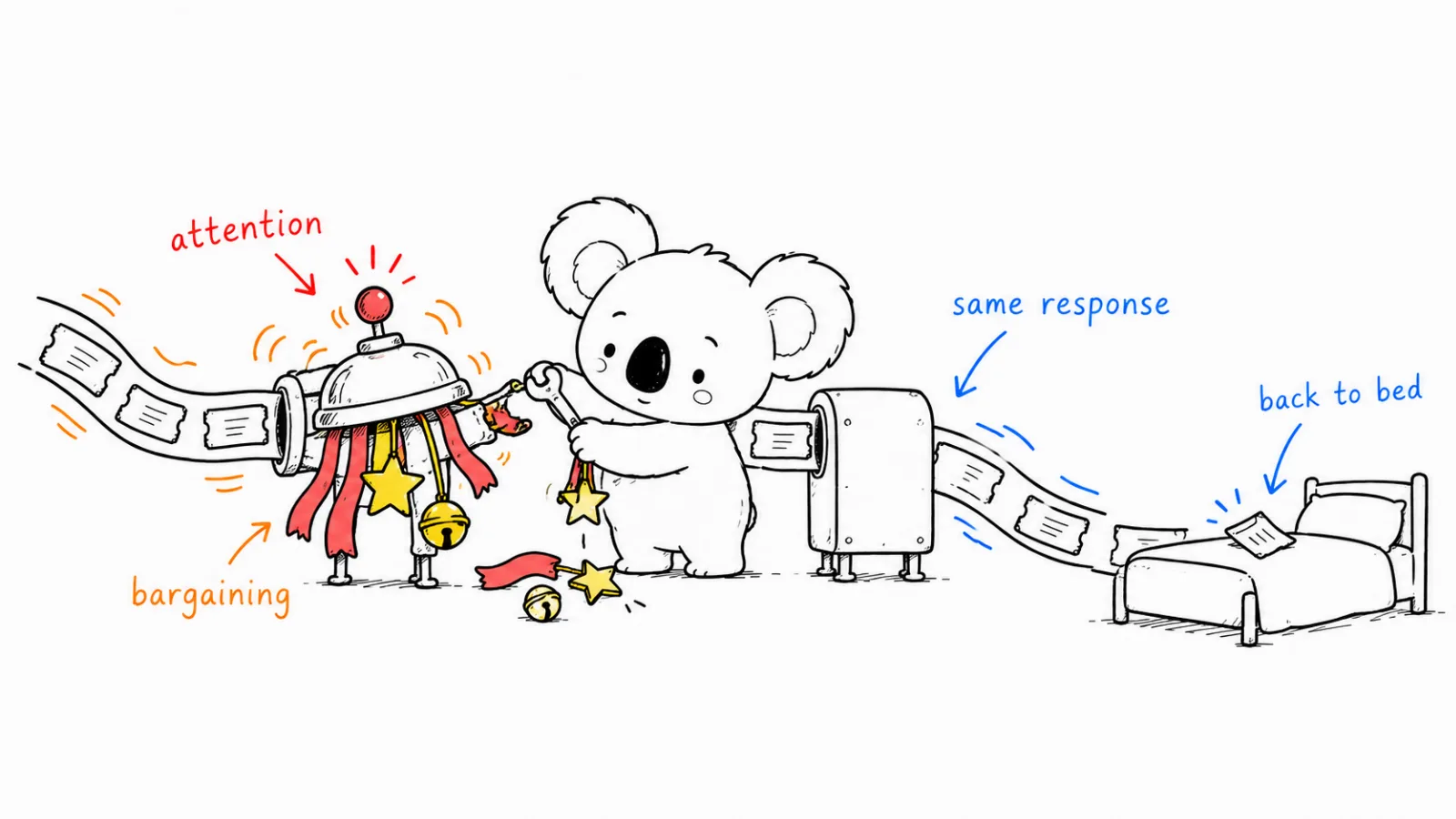
Choose one sentence and repeat it without adding new arguments:
“You are safe. It is bedtime. I will help you back to bed.”
Then guide the child back, tuck them in briefly and leave. Keep your voice neutral and your movements unhurried. Avoid asking open-ended questions such as “Why are you doing this?” at the bedroom door; they create another opportunity to continue the interaction.
A consistent response can be adapted to the request without reopening bedtime:
| The child says or does | A kind, firm response |
|---|---|
| “I need another drink.” | “Your water is beside the bed. It is time to rest.” |
| “One more hug.” | Give one brief hug if that is your plan, then say, “Hug finished. Bedtime now.” |
| “I forgot to tell you something.” | “You can tell me at breakfast. I am looking forward to hearing it.” |
| Leaves the room silently | Quietly guide them back with the same short bedtime phrase. |
| Says they are scared | Acknowledge the feeling, check the room once and use a planned reassurance or check-in. |
| Reports pain, sickness or a toilet need | Pause the routine and assess the need rather than treating it as delay behaviour. |
The wording matters less than the pattern. If one parent allows extra play while another repeatedly returns the child, bedtime can become a search for the answer the child prefers. Agree on the boundary in advance where possible.
Offer Connection Without Reopening the Routine
Children often ask for “one more” because they want more closeness, not because they need another object. A firm boundary works better when connection has a reliable place before and after it.
Try giving the final moments a clear shape:
- ●Name the last hug: “This is our goodnight hug.”
- ●Mention the next connection: “I will see you at breakfast.”
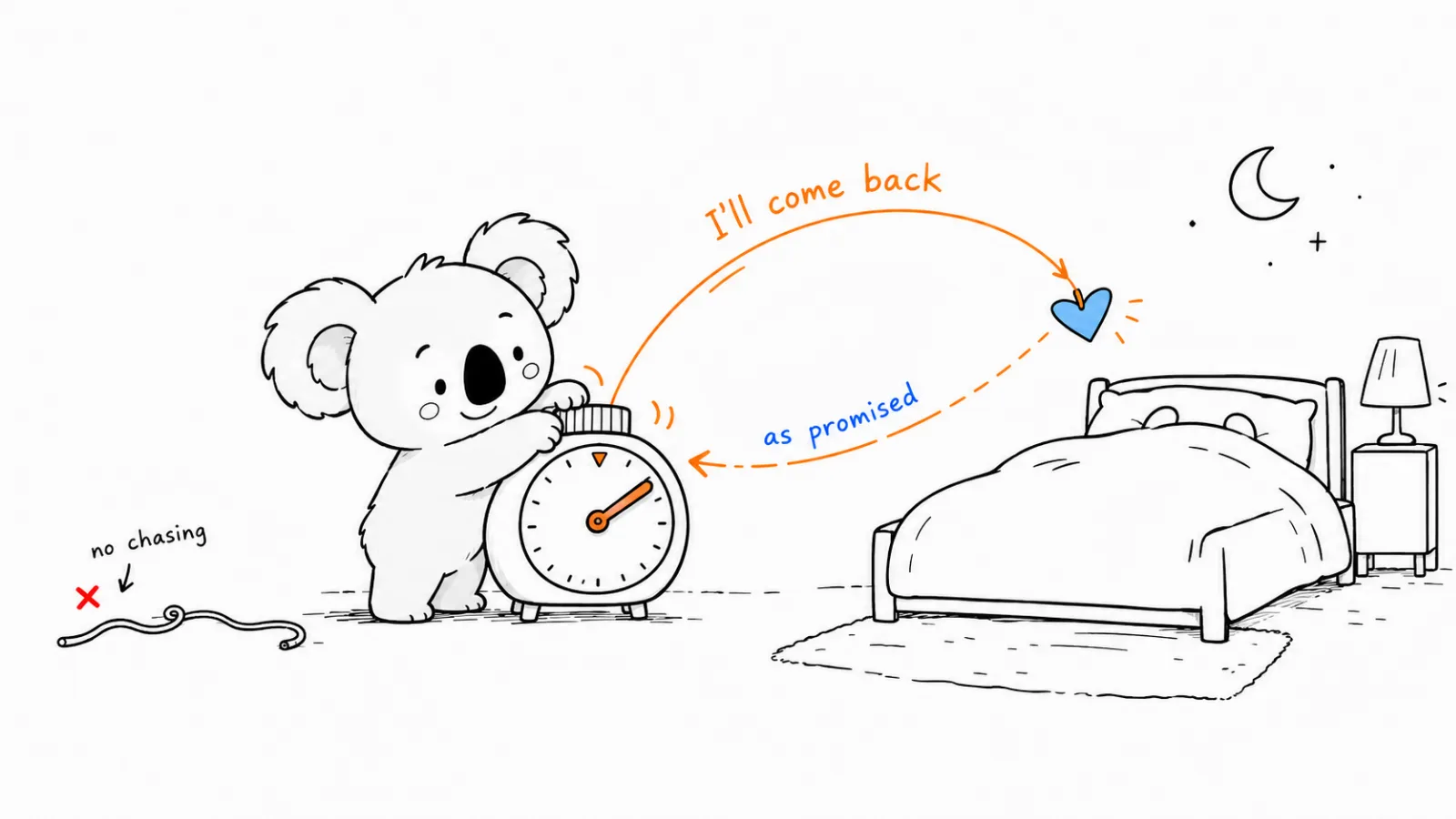
- ●Use a brief planned check-in: “I will come back after I put the dishes away.”
- ●Praise the specific behaviour the next morning: “You stayed in your room after I tucked you in.”
If you promise a check-in, return as promised. Keep it brief and calm, ideally when the child is still in bed. Planned check-ins can be especially helpful for children who find separation difficult because reassurance no longer depends on leaving the room.
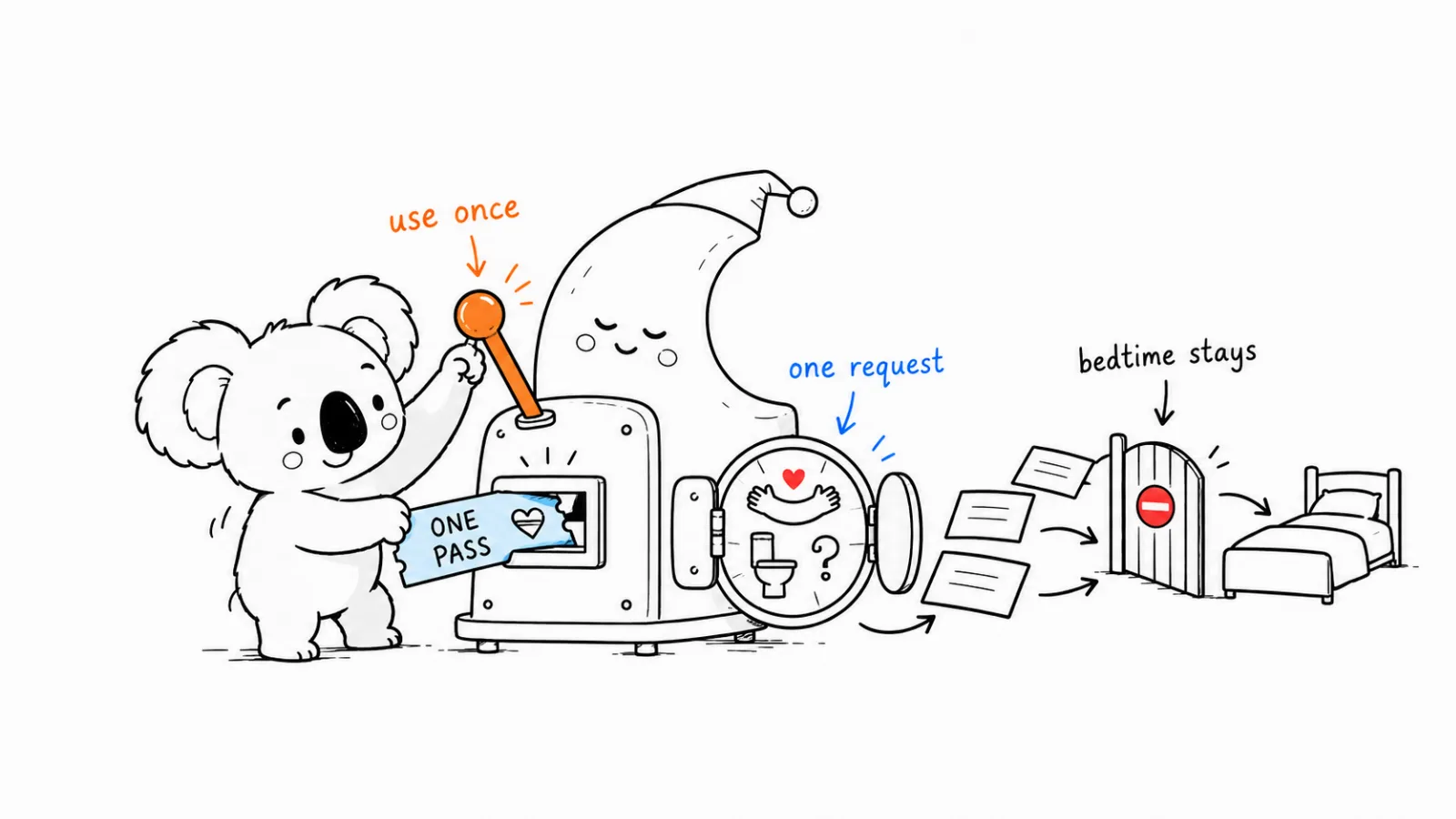
Another option for older preschoolers and school-aged children is a single “bedtime pass.” The child may exchange it for one reasonable request, such as a hug, toilet visit or brief question. Once it has been used, later non-urgent requests receive the standard return-to-bed response. Present the pass as a predictable rule, not a punishment.
Do not introduce several new systems at once. Choose one approach that you can maintain for at least several nights, explain it during the day and keep bedtime responses simple.
Know When to Hold the Boundary—and When to Investigate
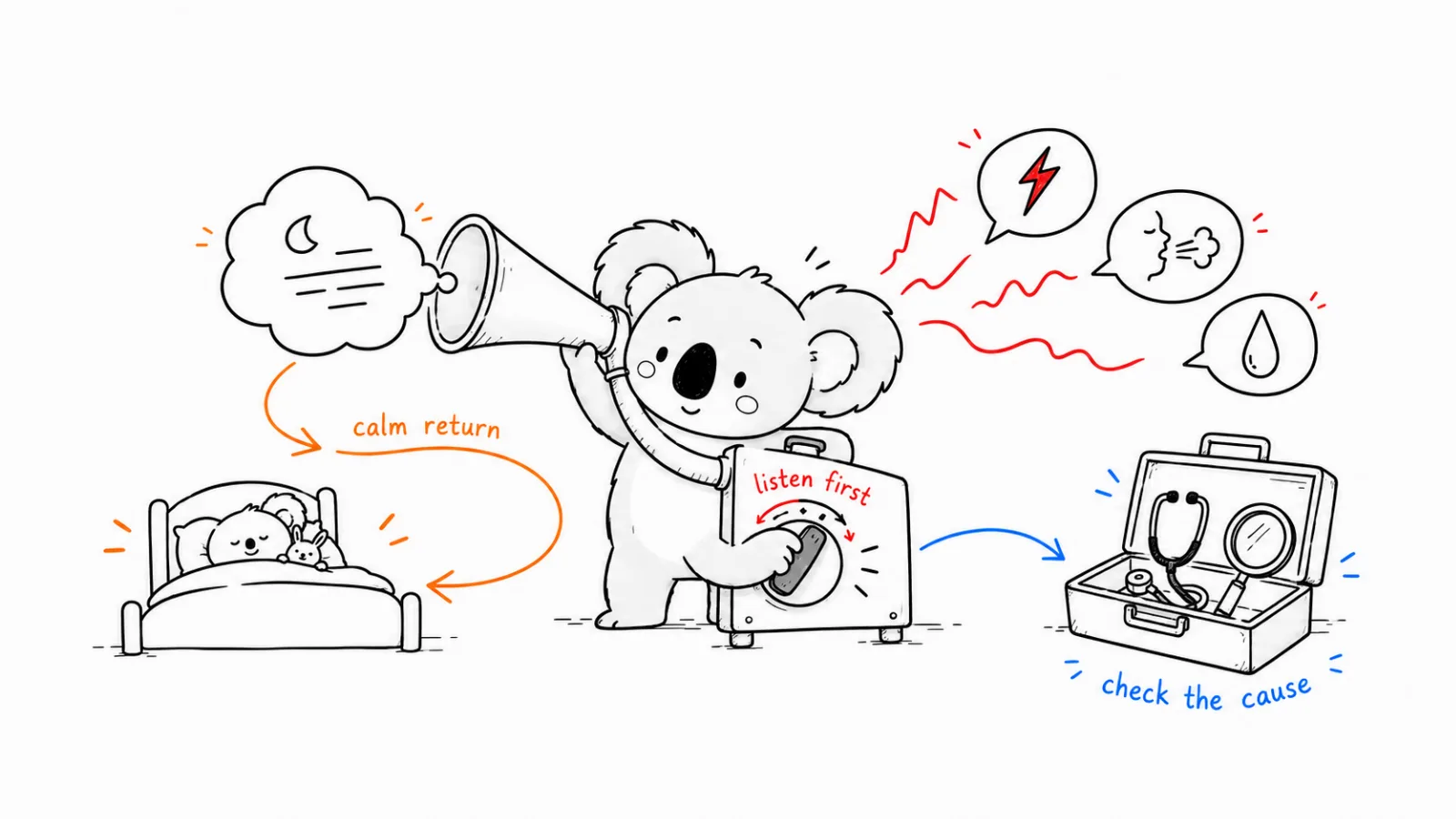
Repeated curtain calls are not always a boundary problem. A child may resist bed because bedtime is poorly timed, the routine is stimulating, naps are affecting sleep pressure, or something feels uncomfortable or frightening.
Before assuming misbehaviour, look for patterns:
- ●Does the child fall asleep quickly once they finally stay in bed?
- ●Are they spending a long time awake despite remaining calm?
- ●Has the problem followed a move, illness, family change or frightening experience?
- ●Are there signs of pain, itching, reflux-like discomfort or frequent urination?
- ●Do they snore loudly, gasp, struggle to breathe or seem unusually tired during the day?
- ●Are fears intense enough to affect daytime activities as well as bedtime?
Typical sleep needs and routines vary by age and child. Guidance from recognised sources such as HealthyChildren.org, the NHS and Australia’s Raising Children Network generally emphasises regular schedules, calming routines and consistent limits. If your child routinely lies awake for a long period, their bedtime may need review rather than stricter enforcement.
Speak with your child’s GP, paediatrician or another qualified health professional if problems persist despite a consistent routine, or if you notice breathing concerns, pain, unusual thirst, frequent toileting, severe distress or substantial daytime sleepiness.
FAQ
Should I lock my child’s bedroom door?
No. A child should be able to leave in an emergency, and caregivers need safe access. Use calm returns, a stair gate only where age-appropriate and safely installed, or other childproofing measures suited to your home. Ensure smoke alarms, exits and the route to the caregiver remain safe.
What if my child becomes more upset when I return them to bed?
Stay nearby enough to keep them safe and regulated, but keep the boundary clear. You might sit quietly near the bed and gradually move farther away over successive nights. If distress is intense, sudden or linked to persistent fears, discuss it with a health professional rather than treating it only as stalling.
Should siblings follow exactly the same bedtime rules?
The principle can be consistent even when details differ. Children may need different bedtimes, levels of help or reassurance based on age and temperament. Explain the rule in simple terms: everyone gets what they need, and everyone has a clear time to rest.
What if bedtime requests return after weeks of good sleep?
Return to the familiar routine without framing it as failure. Travel, illness, school changes and developmental shifts can temporarily increase bedtime reassurance-seeking. Re-establish the checklist and calm response, while checking whether a new worry or physical problem needs attention.
The Bottom Line
A successful bedtime boundary is both warm and final: needs are heard, comfort is offered and bedtime does not keep restarting. Prepare for predictable requests, repeat one calm response and judge progress across several nights rather than one difficult evening.
Ready for calmer bedtimes?
Try Gula Stories free — 5 narrated bedtime stories, ad-free, for children ages 3-8.