
Stories That Build Resilience in Young Children
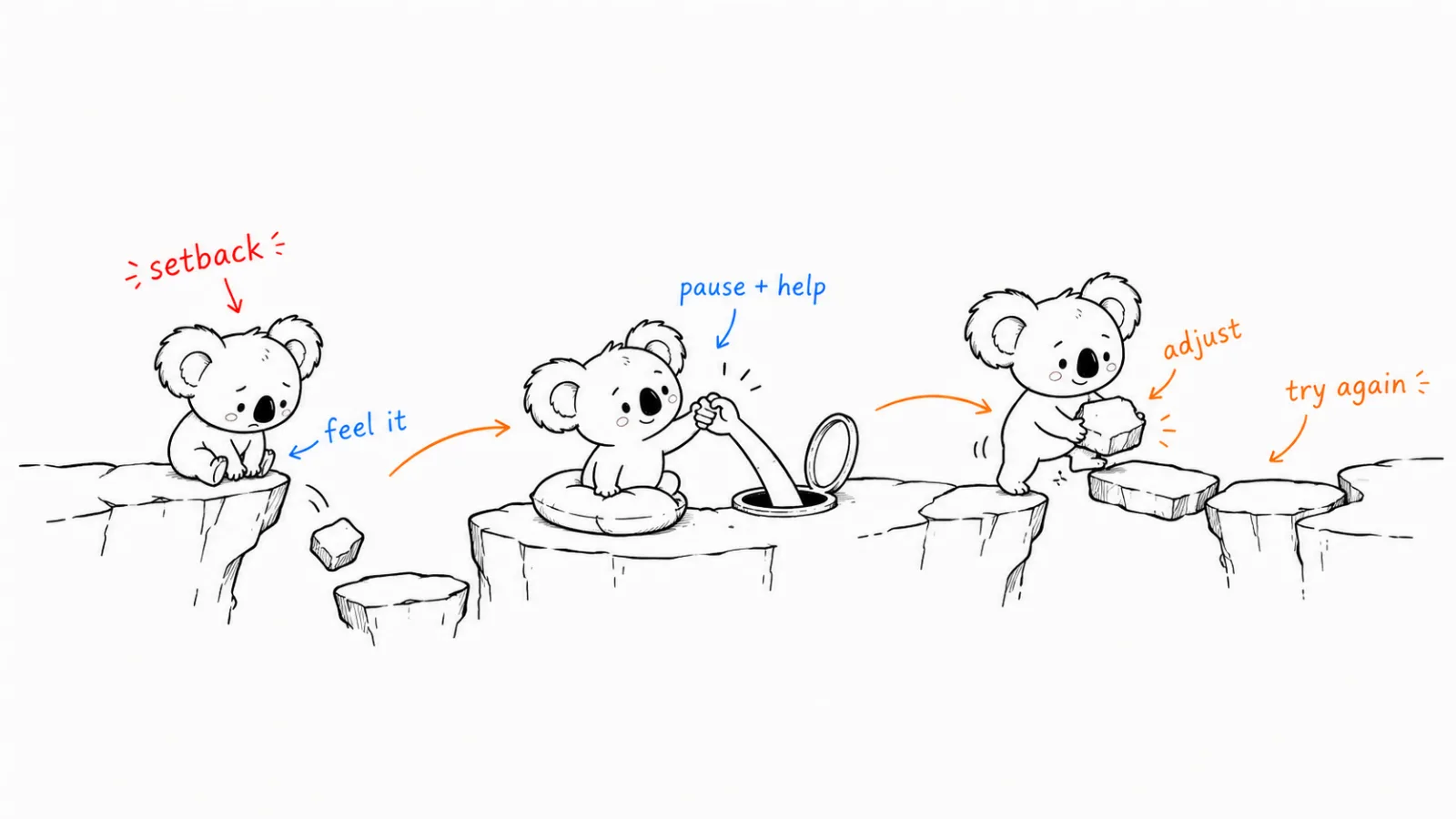
Effective resilience stories for kids show a character struggling, coping, adjusting, and trying again—not succeeding im
Key Takeaways
- ●Effective resilience stories for kids show a character struggling, coping, adjusting, and trying again—not succeeding immediately.
- ●Children learn more from specific actions, such as asking for help or changing a plan, than from vague messages about “being brave.”
- ●Choose stories in which setbacks feel relevant to your child’s age, such as a difficult puzzle, a friendship problem, or learning a new skill.
- ●Brief, open-ended questions help children connect a character’s choices with challenges in their own lives.
- ●Resilience does not mean hiding distress or coping alone; strong stories make room for feelings, rest, support, and another attempt.
Stories can help young children understand resilience by making coping visible. When a character feels frustrated, pauses, seeks support, changes approach, and tries again, children see that difficulty is a process they can move through—not proof that they have failed.
The most useful stories do not simply end with success. They show what happens between the setback and the next attempt, giving parents and children practical language for handling everyday challenges.
What Resilience Looks Like in a Story
For children aged 2–8, resilience is easier to understand through actions than explanations. A story character might rebuild a block tower after it falls, return to a playground game after an argument, or practise a skill that initially feels impossible.
A strong resilience story usually follows a simple pattern:
- ●The character wants something. The goal should be clear and meaningful.
- ●Something goes wrong. The obstacle creates disappointment, worry, or frustration.
- ●The character reacts honestly. They may cry, become angry, withdraw, or say, “I can’t do it.”
- ●The character finds a coping step. They breathe, rest, ask for help, name the problem, or try a different strategy.
- ●The character tries again. The second attempt may improve the situation without solving everything.
- ●The character recognises growth. The ending values effort, learning, connection, or recovery—not only victory.
This sequence matters because “try again” can sound dismissive when a child is overwhelmed. A believable story first acknowledges the difficult feeling, then shows how the character becomes ready for another attempt.
A Resilience Story at a Glance
| Story moment | What the character might do | What the child can learn |
|---|---|---|
| Setback | Notices that the plan did not work | Problems are a normal part of trying |
| Emotional response | Says, “I’m upset,” or takes a quiet moment | Difficult feelings can be named and tolerated |
| Support | Talks to a trusted adult or friend | Asking for help is a coping skill |
| Adjustment | Breaks the task into steps or changes the plan | There is often more than one way forward |
| New attempt | Tries again when ready | Persistence can include pauses |
| Outcome | Learns something, even without “winning” | Progress is broader than immediate success |
Choose Characters Who Model Realistic Coping
The central question is not whether a character succeeds. It is how the character responds when success is uncertain.
Look for characters who use coping strategies a young child could recognise and eventually imitate:
- ●Naming a feeling: “I feel nervous because this is new.”
- ●Calming the body before acting.
- ●Asking an adult, sibling, teacher, or friend for help.
- ●Dividing a difficult task into smaller parts.
- ●Remembering something that worked previously.
- ●Trying a different method instead of repeating the same one.
- ●Taking a break and returning later.
- ●Accepting that some outcomes cannot be controlled.
- ●Making amends after a mistake.
The obstacle should also match the child’s world. Younger children may connect with a character learning to put on shoes, sleeping in a different room, or joining a game. Older children may recognise worries about schoolwork, performance, changing friendships, or losing a competition.
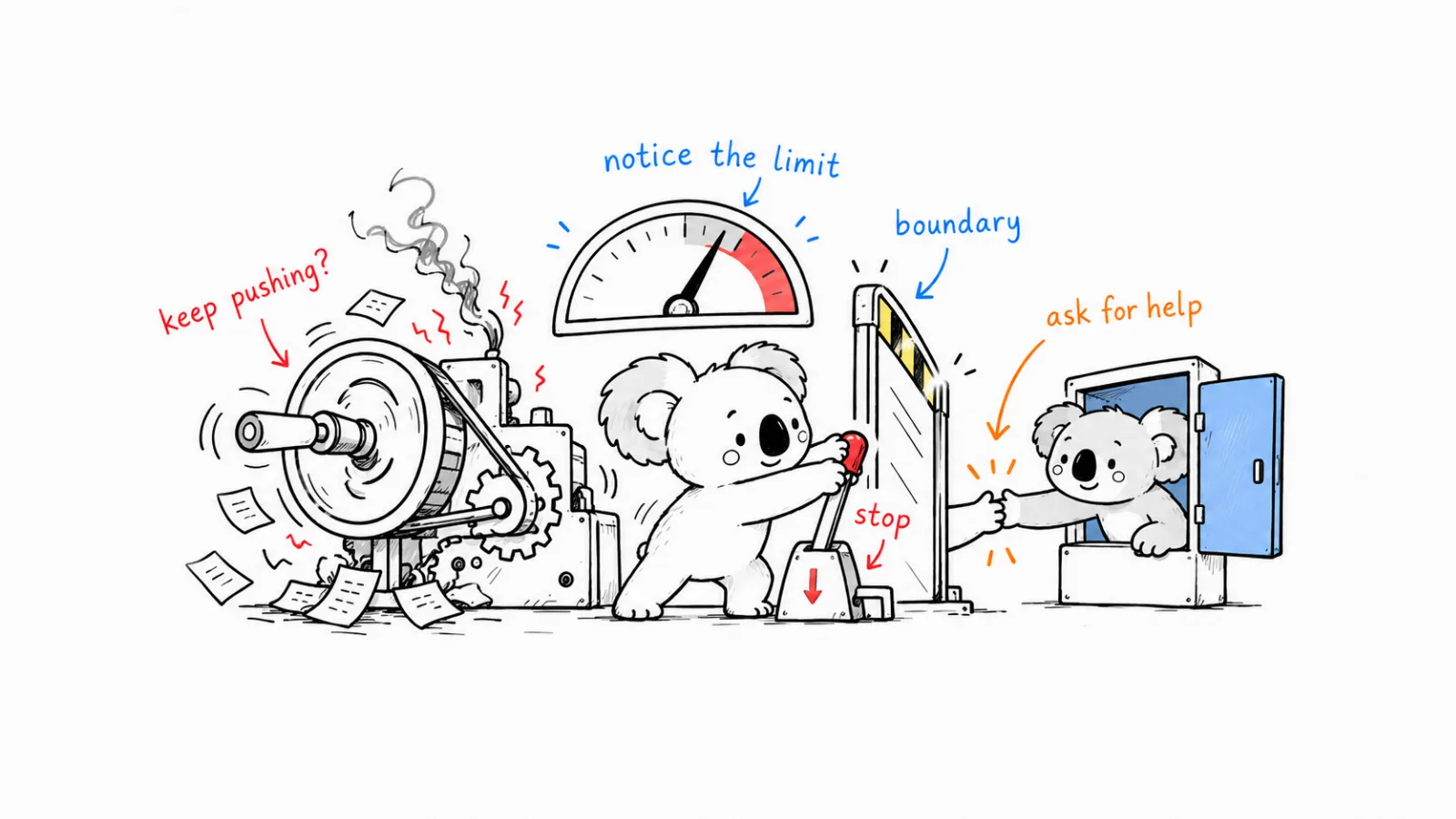
Be cautious with stories that reward endless effort without limits. A character who keeps going despite exhaustion, danger, or repeated mistreatment is not necessarily modelling healthy resilience. Children also need stories in which the wise response is to stop, seek protection, set a boundary, or ask an adult to intervene.
Resilience should never be presented as silent endurance. It includes knowing when a problem requires support.
Turn the Story into a Practical Conversation
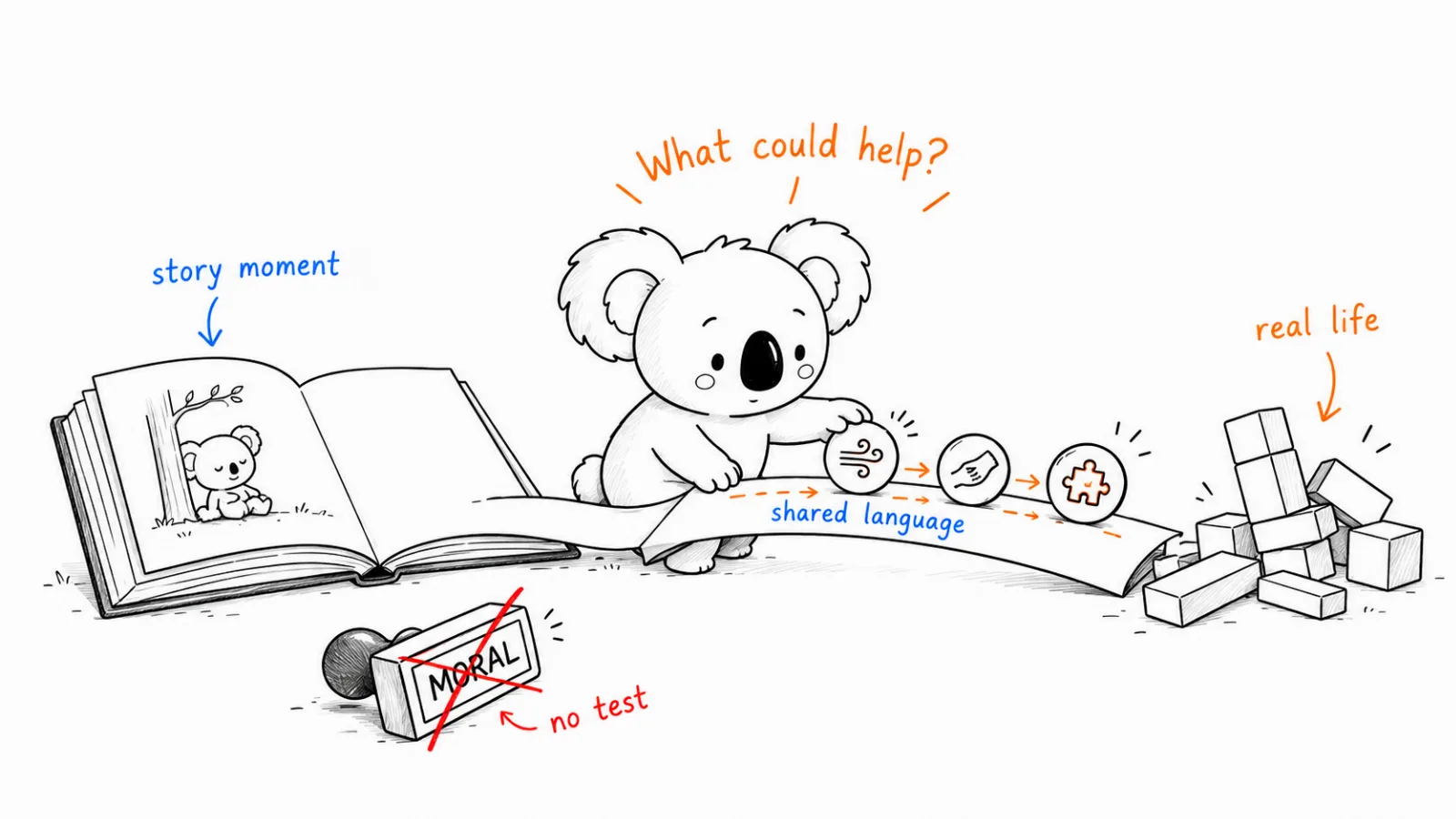
Reading the story is valuable, but a short conversation can make its coping process easier to remember. Keep the exchange relaxed; bedtime does not need to become a lesson or test.
Pause at one important moment and ask a simple question:
- ●“What do you think the character is feeling?”
- ●“What could they try next?”
- ●“Who could help them?”
- ●“Would you choose the same plan or a different one?”
- ●“What changed between the first try and the next try?”
After the story, connect it gently to real life. For example:
“The character’s tower fell, and she felt angry. She took a break before rebuilding it. Would a break help when your drawing does not go the way you want?”
Avoid asking, “What was the moral?” Young children may understand a story emotionally and practically without being able to state its lesson. Their answer might also differ from the message an adult expected.
You can reinforce the idea later with a short reference: “This feels like the part when the fox changed his plan.” That shared language can be easier to accept than a long explanation during a frustrating moment.
If your child does not want to discuss the story, let the experience stand on its own. Repeated exposure to characters who recover from setbacks can provide a useful model without requiring an immediate response. An ad-free story app such as Gula Stories may help families choose calm, age-appropriate narratives and familiar personalised characters, particularly when a consistent bedtime format works well for the child.
Match the Message to the Child’s Needs
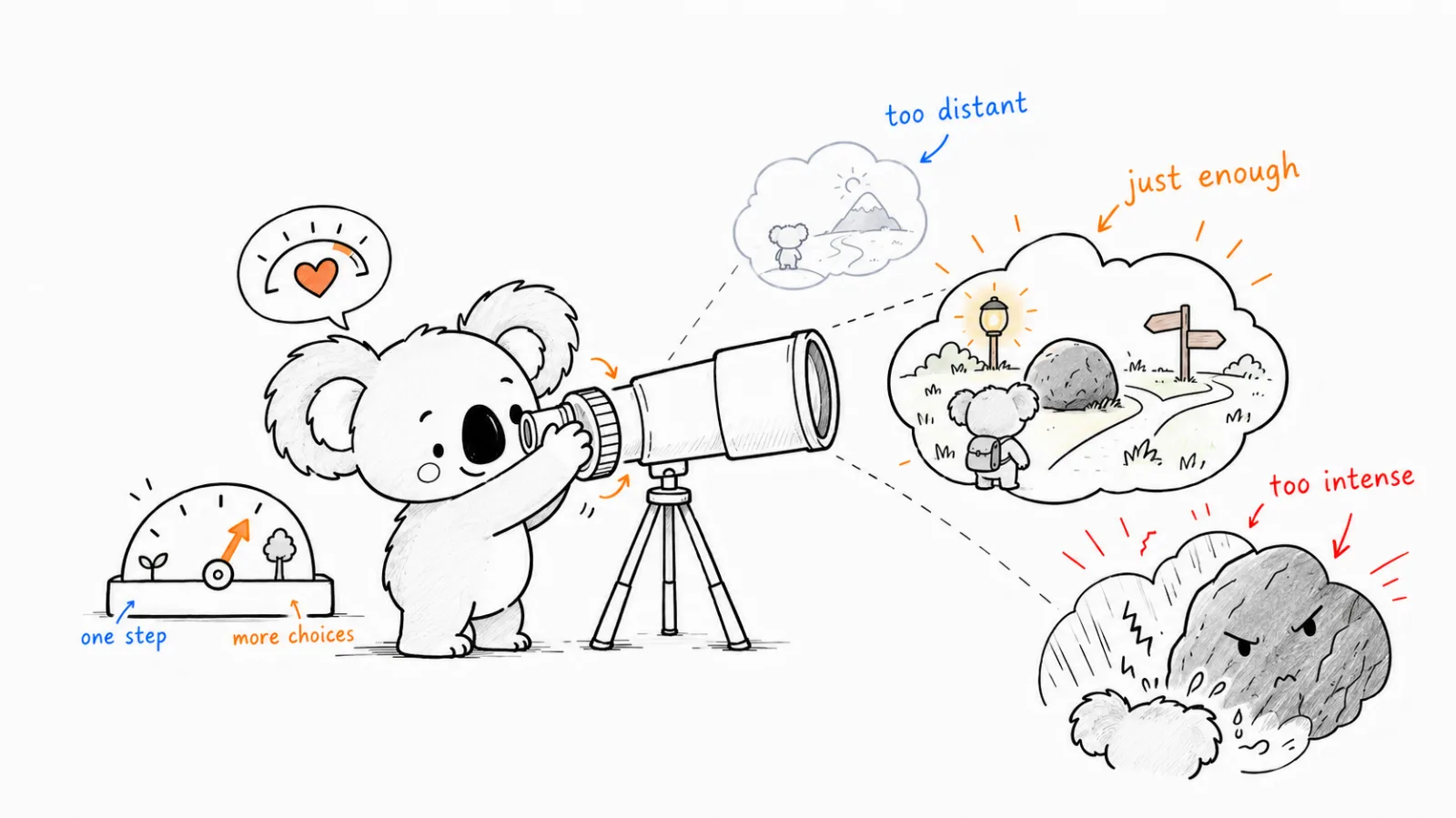
Not every resilience story suits every child or every moment. A story about separation, failure, illness, or conflict may feel reassuring to one child and too intense for another.
Watch for the child’s response:
- ●Do they remain engaged, or do they become increasingly distressed?
- ●Are they curious about the character’s choices?
- ●Do they repeatedly request the story?
- ●Does the ending offer enough safety and resolution for bedtime?
- ●Is the character’s problem close enough to feel relevant but not so close that it becomes overwhelming?
For ages 2–4, choose a short plot, clear emotions, repetition, and one visible coping action. For ages 5–8, stories can include mixed feelings, unsuccessful strategies, consequences, and more than one possible solution.
Recognised parenting resources such as HealthyChildren.org, the NHS, and Australia’s Raising Children Network generally frame emotional development as gradual and supported by responsive adults. Stories can contribute to that support, but they are not a treatment or a test of a child’s coping ability. If worries, distress, or difficulty recovering from everyday setbacks persist or significantly affect daily life, speak with the child’s doctor or another qualified health professional.
FAQ
Should every resilience story have a happy ending?
No. It should have an emotionally safe and understandable ending, but the character does not need to win. A useful ending might show acceptance, learning, repaired connection, or readiness to try again later.
What if my child becomes upset by a story?
Pause and acknowledge the reaction. You can summarise the safer parts, skip the difficult scene, choose another book, or stop reading. Children do not need to finish a story that feels overwhelming.
Are animal characters as useful as human characters?
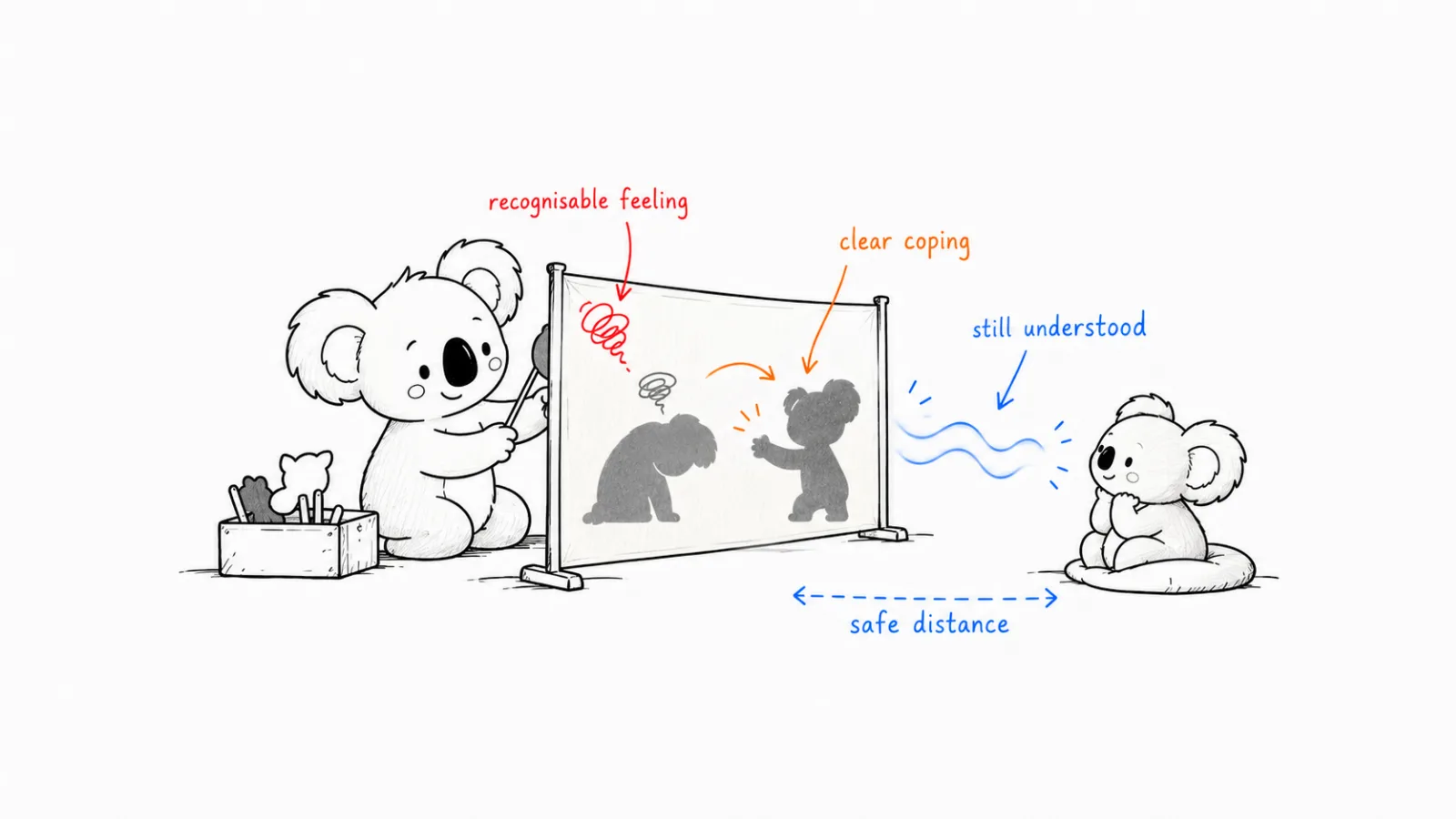
Yes. Animal and imaginary characters can create helpful emotional distance while still modelling recognisable coping. What matters most is whether the problem, feelings, and response are clear to the child.
How often should we read resilience stories?
There is no required schedule. Include them naturally among funny, adventurous, comforting, and imaginative stories. Re-reading a favourite can be particularly useful because familiarity allows children to notice the character’s coping choices more clearly.
The Bottom Line
The most helpful resilience stories for kids show that trying again is not a single brave act. It can involve feeling disappointed, accepting help, resting, changing direction, and returning when ready. Choose characters whose coping feels realistic, then let their stories give your child language for the challenges of everyday life.
Ready for calmer bedtimes?
Try Gula Stories free — 5 narrated bedtime stories, ad-free, for children ages 3-8.