
Seasonal Bedtime Stories: Autumn, Winter, Spring and Summer
Seasonal bedtime stories help children connect everyday changes—such as weather, daylight, plants and celebrations—with
Key Takeaways
- ●Seasonal bedtime stories help children connect everyday changes—such as weather, daylight, plants and celebrations—with the passage of time.
- ●Choose calm stories that reflect what a child can currently notice, rather than relying only on major holidays.
- ●Repeating a few stories each year can create reassuring family traditions and reveal how a child’s understanding has grown.
- ●Keep bedtime storytelling gentle: exciting seasonal activities can appear in the story, but the ending should become quieter and more predictable.
- ●Adapt seasonal details to your local climate, especially when books portray Northern Hemisphere seasons.
Seasonal bedtime stories can help children aged 2–8 understand that the world changes in recurring patterns. By matching stories to the weather, daylight, natural events and family routines around them, parents can turn an abstract idea—the passing of time—into something children can see, hear and remember.
The most useful stories do more than name a season. They show change unfolding: a leaf shifts colour, an animal prepares for cold weather, a garden begins to grow, or a long summer evening slowly becomes dark.
How Seasonal Stories Build a Sense of Time
Young children do not experience time through calendars in the same way adults do. “Next month” may mean little to a preschooler, but “when the leaves fall” or “when we need our warm coats” connects time to something observable.
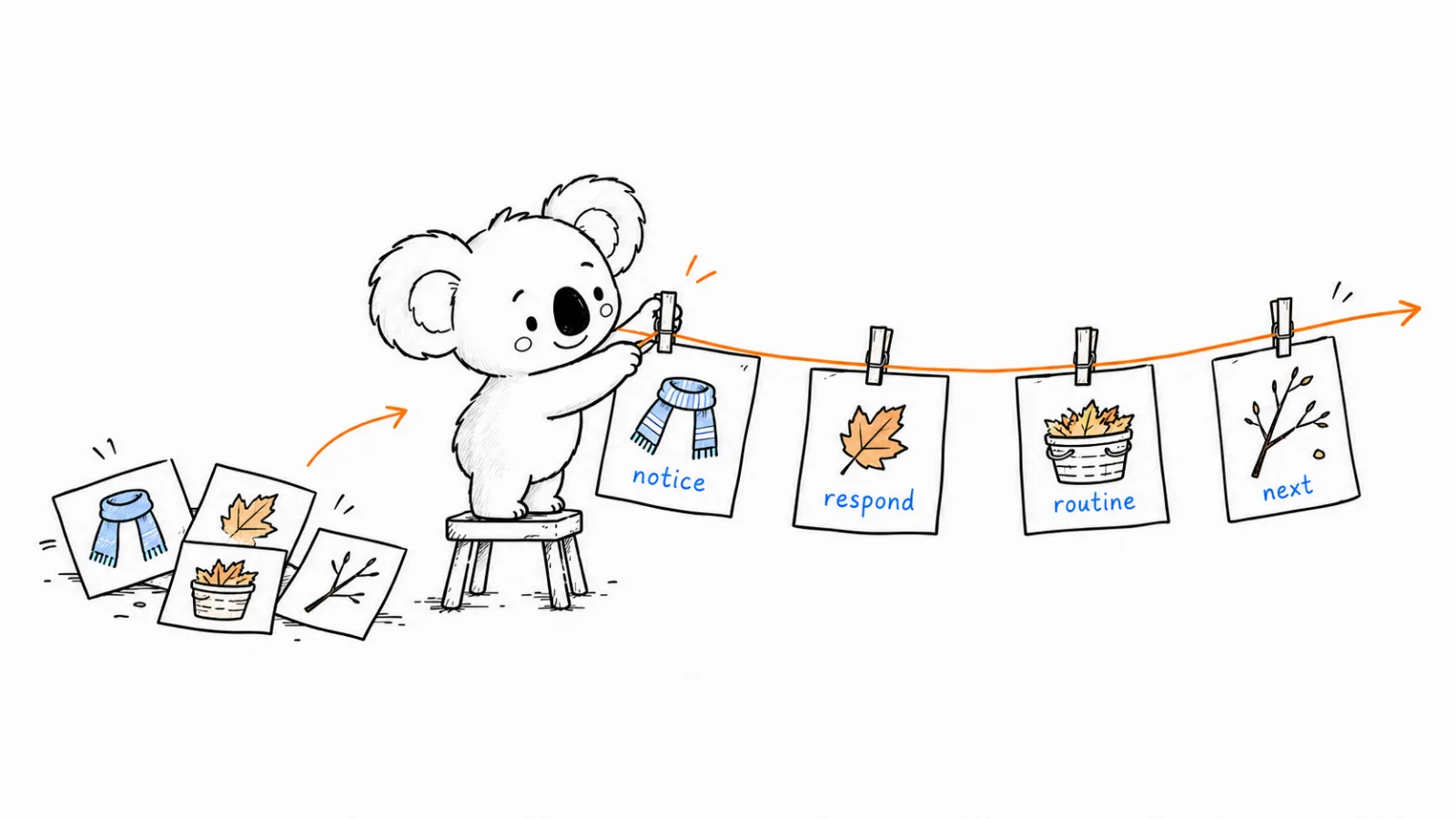
Stories strengthen these connections by arranging change into a simple sequence:
- ●Something in the environment begins to change.
- ●A character notices and responds.
- ●New activities or routines follow.
- ●The season eventually moves toward another season.
For example, a story might follow a child who notices cooler mornings, collects fallen leaves and watches the trees become bare. That narrative gives separate observations a meaningful order.
For children aged 2–4, focus on concrete details: clothing, sounds, weather, animals and familiar activities. Children aged 5–8 may also enjoy stories about seasonal cycles, migration, plant growth or how the same season differs between places.
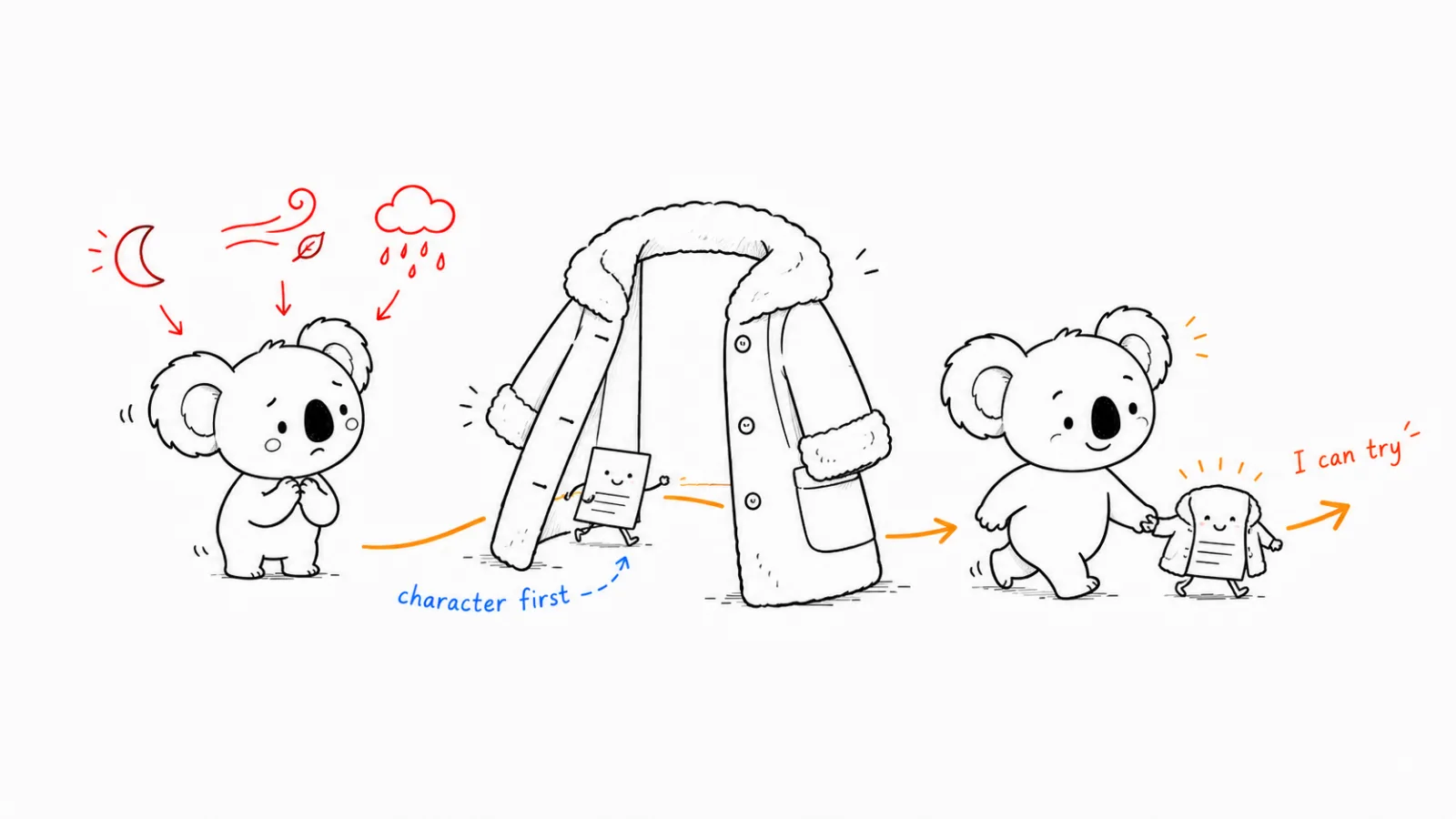
Seasonal stories are particularly helpful during transitions. A child who is reluctant to wear a coat, unsettled by earlier darkness or asking when a celebration will arrive may find change easier to understand when a familiar character experiences it too.
What to Read in Each Season
The right themes depend on where your family lives and what your child can actually observe. An Australian summer, for example, may include Christmas, while many UK and US books associate Christmas with winter. Treat these differences as opportunities for conversation rather than problems to correct.
| Season | Story themes | Details children can notice | Calming bedtime ending |
|---|---|---|---|
| Autumn | Falling leaves, gathering food, harvests, cooler evenings | Changing colours, wind, rain, earlier sunsets | A character returns home with collected treasures |
| Winter | Warm shelters, quiet landscapes, winter celebrations, animals conserving energy | Cold air, bare trees, frost, snow in some regions | Everyone becomes warm, safe and ready to sleep |
| Spring | New growth, nests, young animals, rain and renewal | Buds, flowers, birds, longer days | A garden or nest settles after a busy day |
| Summer | Long evenings, beaches, camping, insects and outdoor play | Heat, bright light, cicadas or crickets, storms | The air cools and the character rests beneath the night sky |
Autumn: Notice Preparation and Gradual Change
Autumn stories work well when they show characters preparing rather than presenting the season as a single event. A squirrel gathering food, a family bringing blankets out of storage or a child watching one tree change week by week can demonstrate that seasons arrive gradually.
After reading, ask one small observational question: “What has changed outside our window?” Avoid turning bedtime into a lesson or quiz. A brief connection is enough.
Winter: Emphasise Warmth, Shelter and Security
Winter stories often contain strong contrasts: cold outdoors and warmth indoors, darkness and lamplight, activity and rest. These contrasts can support a comforting bedtime mood.
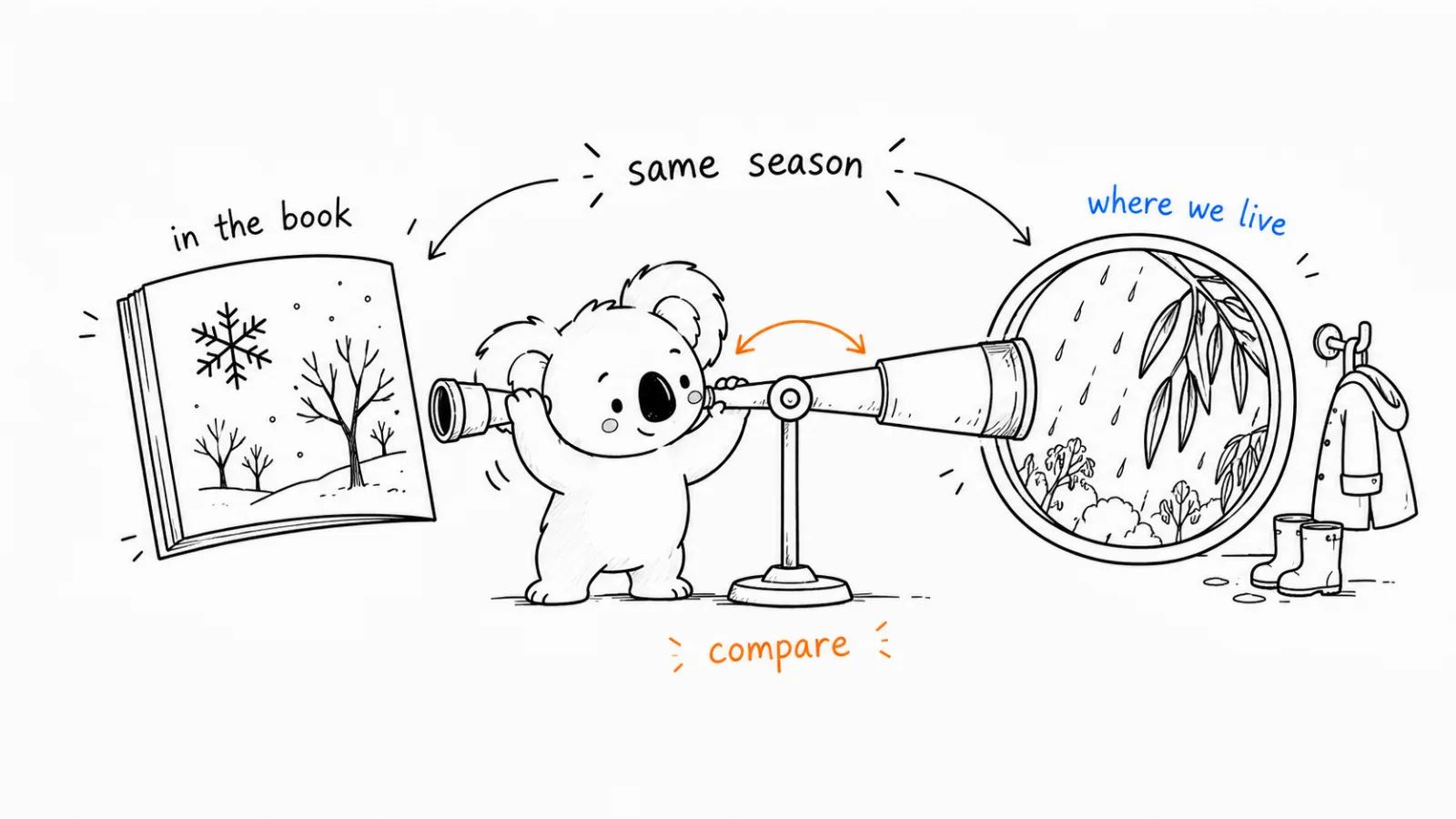
Choose stories that end with shelter, companionship or quiet. If snow is unfamiliar where you live, compare the book with local winter signs: rain, cold mornings, different clothing or shorter daylight hours. This helps children understand that a season can look different across regions.
Spring: Follow Growth Over Time
Spring is well suited to stories about processes. A seed does not become a flower immediately, and a nest is not built in one moment. Narratives about gradual growth can introduce patience and sequence without requiring formal explanations.
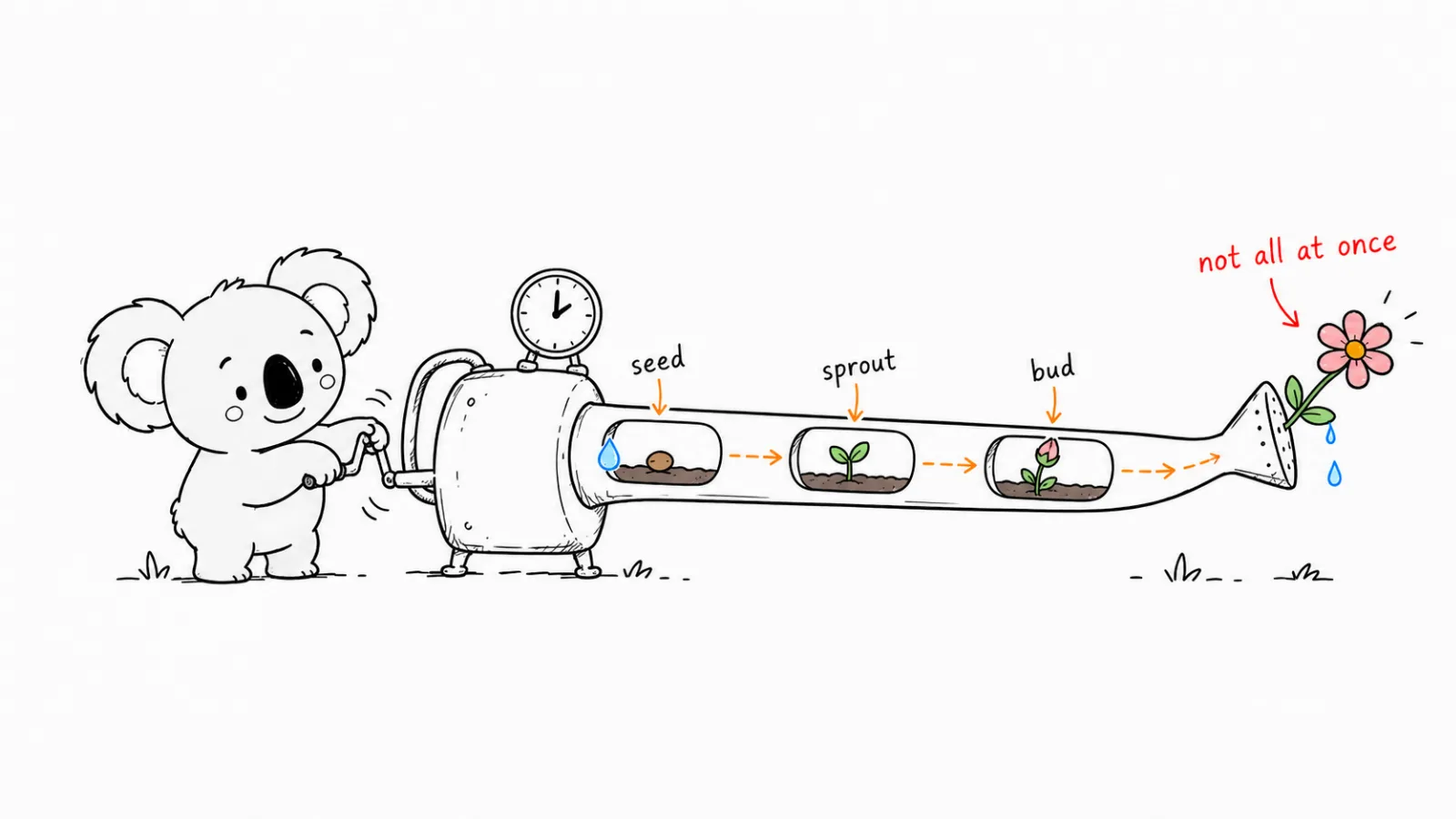
Children can revisit the same story while observing a real plant, tree or garden. Older children may enjoy predicting what will change next and checking their prediction later.
Summer: Bring Energetic Days to a Quiet Close
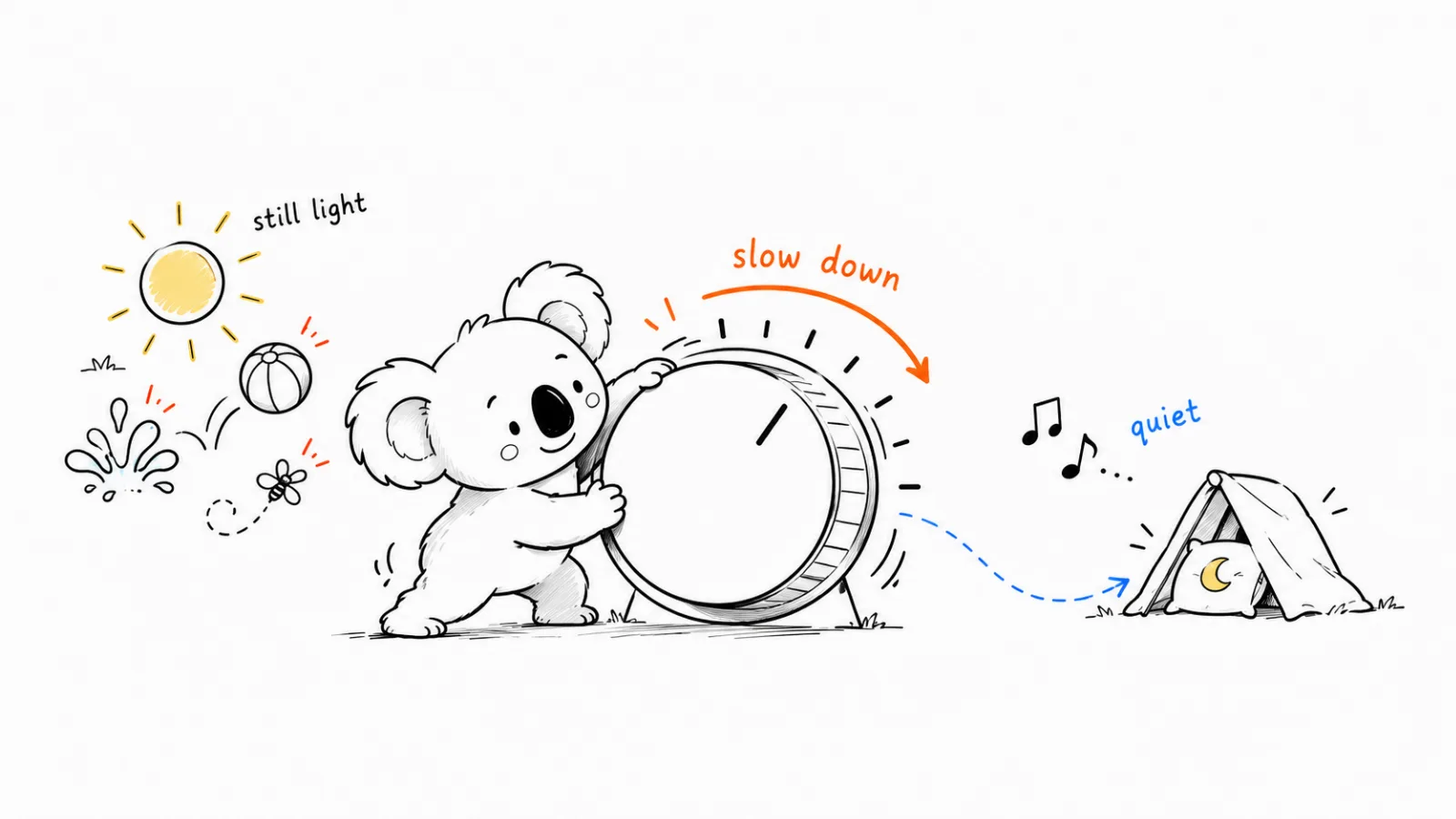
Summer stories may include swimming, travel, outdoor games or late sunsets—all lively subjects. For bedtime, look for a narrative that deliberately slows down near the end: the beach empties, insects begin their nighttime sounds, or a campsite becomes still.
Long daylight can make bedtime feel less obvious to some children because darkness has not yet provided a natural cue. A story in which characters finish their summer activities and settle for the night can reinforce the family routine without suggesting that every child should feel sleepy immediately.
Create a Simple Seasonal Story Ritual
A seasonal reading practice does not require a large library. Select two or three stories for the current season and return to them regularly. Repetition helps younger children anticipate what comes next, while annual rereading lets older children notice details they previously missed.
A practical routine might be:
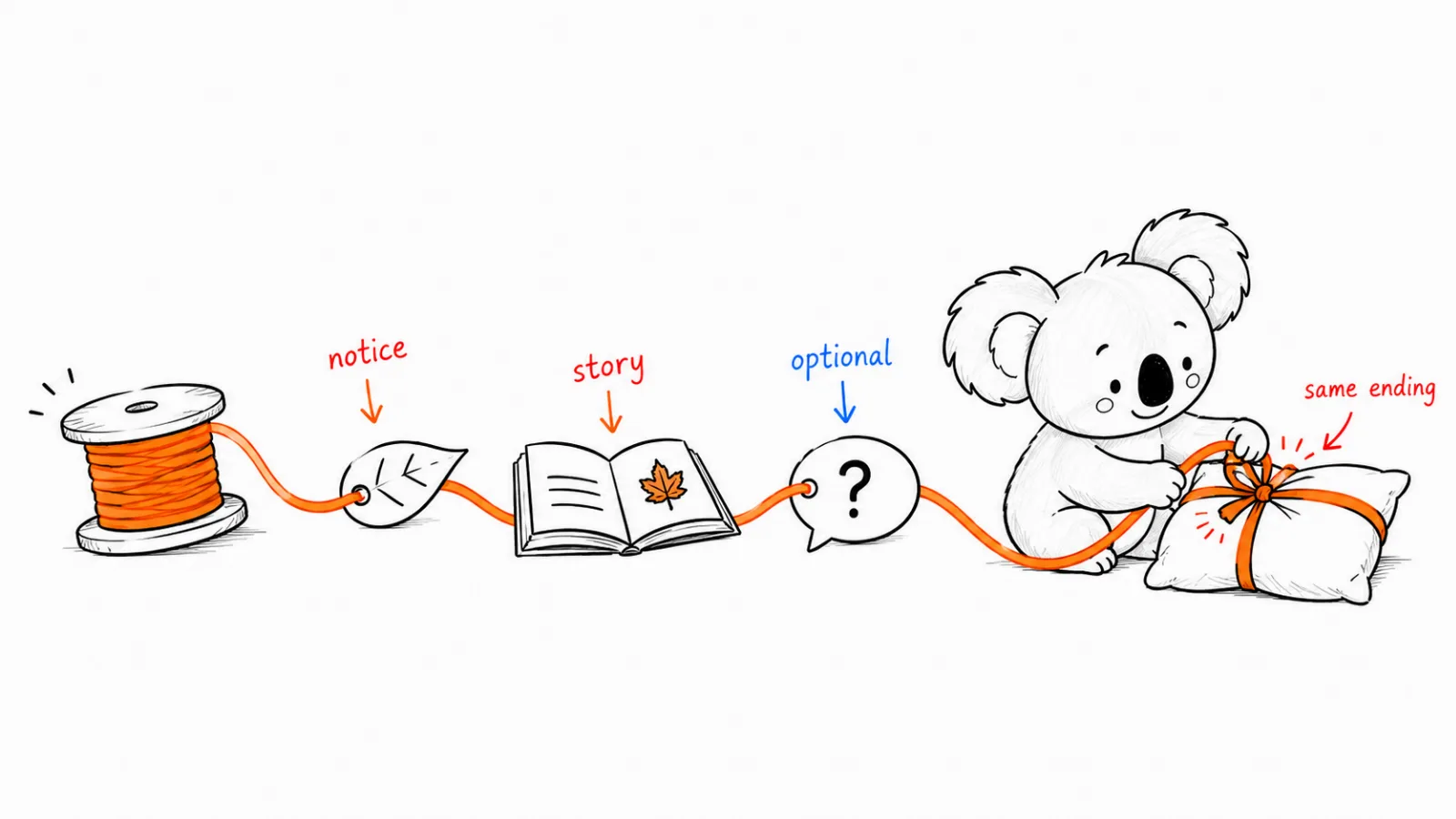
- ●Choose one seasonal detail your child encountered that day.
- ●Read a story containing a related theme.
- ●Ask one optional question, such as “What did the character notice first?”
- ●End with the same quiet phrase or bedtime action each night.
You can also invent short stories using a familiar toy or a personalised character. The plot can be very simple: the character notices a change, explores it, prepares for nighttime and goes to sleep. For families who prefer audio stories, Gula Stories offers calm narration, natural voice options, age-appropriate recommendations and personalised avatars in an ad-free environment.
Keep the seasonal element supportive rather than stimulating. A countdown to a holiday or a story filled with surprises may increase excitement, so place highly energetic books earlier in the evening and save slower narratives for the final story.
Choose Stories That Match Your Child and Location
A useful seasonal story should be understandable, emotionally comfortable and recognisable enough to invite connection. Consider:
- ●Age: Toddlers often respond to repetition and clear pictures; older children can follow longer changes and compare locations.
- ●Local environment: Use the seasonal signs your child sees, even when they differ from those in the book.
- ●Family traditions: Include celebrations that matter to your family, but also read about ordinary natural changes.
- ●Bedtime mood: Prefer gentle pacing and a settled ending for the final story of the night.
- ●Individual sensitivities: Skip scenes involving storms, darkness or animals in danger if they make your child anxious at bedtime.
There is no need to explain every scientific detail. If a child asks why seasons happen, give a short, age-appropriate answer and explore the question more fully during the day.
FAQ
What if the season in a story does not match our local weather?
Acknowledge the difference directly. You might say, “This story has snow in winter, but our winter is usually rainy.” Comparing environments helps children learn that seasonal experiences vary by location.
Can we read stories about a different season?
Yes. Children can enjoy any story throughout the year. Matching stories to the current season simply adds a real-world reference point; it does not need to become a rule.
How often should we change the seasonal books?
Change them when the environment begins to change or when your child loses interest. Keeping one familiar favourite while introducing one new story can provide both continuity and variety.
What if my child wants the same seasonal story every night?
Repeated requests are common in early childhood. Familiar language and predictable events can feel reassuring. Continue reading it if it works for your family, or offer a choice between that favourite and one closely related story.
The Bottom Line
Seasonal bedtime stories make time and change easier for children to understand by connecting them with visible, familiar experiences. Choose stories that reflect your child’s surroundings, revisit them without turning reading into a lesson, and let each narrative end in calm. Over time, those repeated stories can become markers in the family year as well as part of bedtime.
Ready for calmer bedtimes?
Try Gula Stories free — 5 narrated bedtime stories, ad-free, for children ages 3-8.