
One-on-One Story Time When You Have More Than One Child
One-on-one story time does not need to be long; a calm, predictable five- or ten-minute reading moment can feel meaningf
Key Takeaways
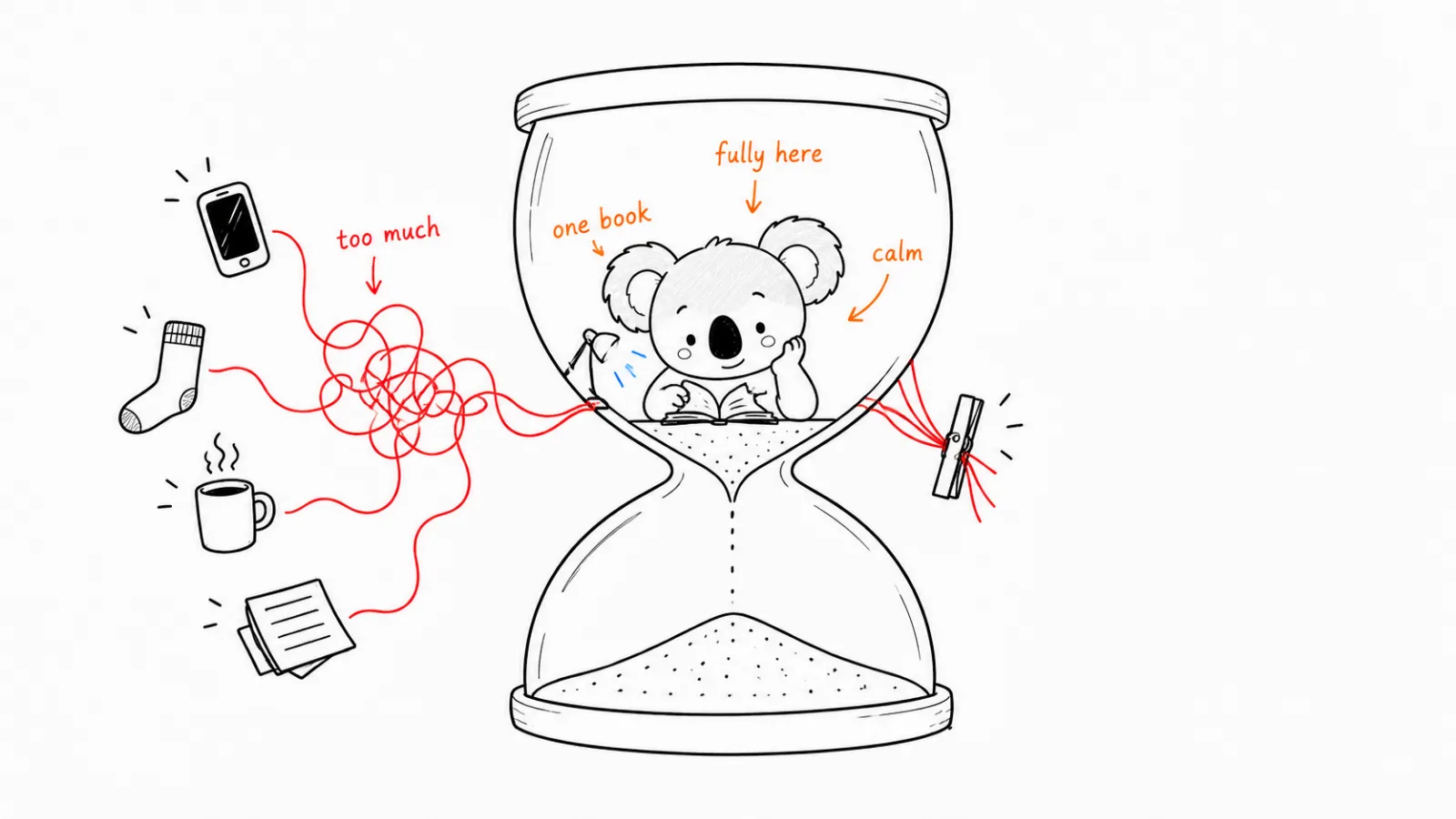
- ●One-on-one story time does not need to be long; a calm, predictable five- or ten-minute reading moment can feel meaningful.
- ●Fairness does not require every child to receive identical attention at the same time. A simple rotation can make individual moments manageable.
- ●Match the story, setting and level of interaction to each child’s age, interests and energy.
- ●Protect individual reading time with clear family expectations, while remaining flexible when a child is tired, unwell or especially in need of connection.
- ●Shared family reading still matters. Individual story time should complement it, not replace it.
1. Introduction
Finding one-on-one time with kids can feel difficult in a busy household. One child wants the same book every night, another needs help finding their pyjamas, and a third is suddenly thirsty just as the story begins. Parents may value individual attention but struggle to fit it between dinner, baths, school preparation and bedtime.
The good news is that one-on-one story time does not have to be a long or elaborate event. Its value comes from focused attention: one adult, one child and one story, without siblings competing for the next page or the next question.
Short individual story moments can also accommodate differences between children. A preschooler may want a familiar picture book with plenty of pointing and repetition. An older child may prefer a chapter book, an audiobook or a conversation about a character’s decision. When children always listen together, these different needs can be harder to meet.
This article explains how to create brief, realistic story moments for each child, establish a fair routine and handle interruptions without making bedtime more complicated.
2. Redefine What Counts as One-on-One Story Time
The most practical starting point is to stop measuring individual attention only in large blocks of time. A short period of undivided attention is often easier to sustain than an ambitious routine that repeatedly falls apart.
One-on-one story time can include:
- ●Reading one short picture book on the sofa
- ●Sharing three pages of a longer book before school
- ●Listening to part of an audio story together
- ●Asking a child to retell a familiar story using the pictures
- ●Inventing a two-minute story about the child’s toy or avatar
- ●Reading a poem while waiting for a sibling to finish bathing
- ●Continuing one chapter over several evenings
The key feature is not the format. It is that the child receives the adult’s attention for that defined moment.
Use a clear beginning and ending
Children may accept a short session more easily when they know what to expect. Instead of promising “story time” without a boundary, try:
“This is your special story turn. You can choose one short book, and then I’ll help your brother get ready for bed.”
A visible boundary reduces uncertainty. Depending on the child, that boundary might be one book, one chapter, five pages or the length of a short timer.
Avoid secretly rushing through the story to finish more quickly. Choose less content and engage with it properly. Let the child turn a page, notice an illustration or ask a question. A short story read calmly is more consistent with the purpose of the routine than a longer story delivered while multitasking.
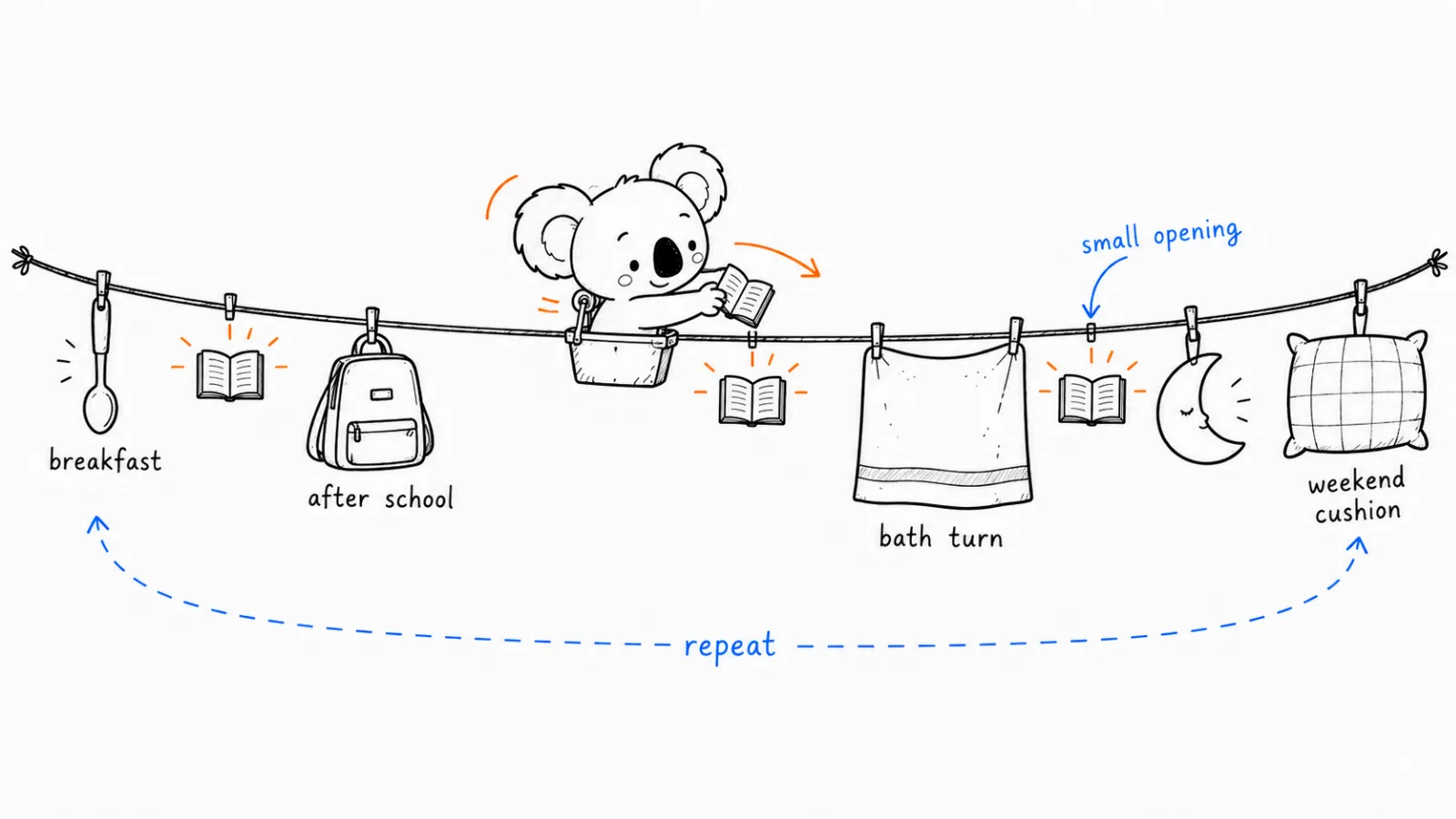
Use small openings in the day
Bedtime is not the only opportunity. In some families, it is the least reliable time because every child needs something at once.
Individual story moments may fit better:
- ●After breakfast with an early riser
- ●During a younger sibling’s nap
- ●Immediately after school or childcare
- ●While another child attends an activity
- ●During bath-time rotations
- ●At the start of a weekend quiet period
- ●Just before leaving to collect another child
A parent does not need to create extra hours. The more realistic goal is to recognise short, repeatable openings that already exist.
3. Create a Rotation Children Can Understand
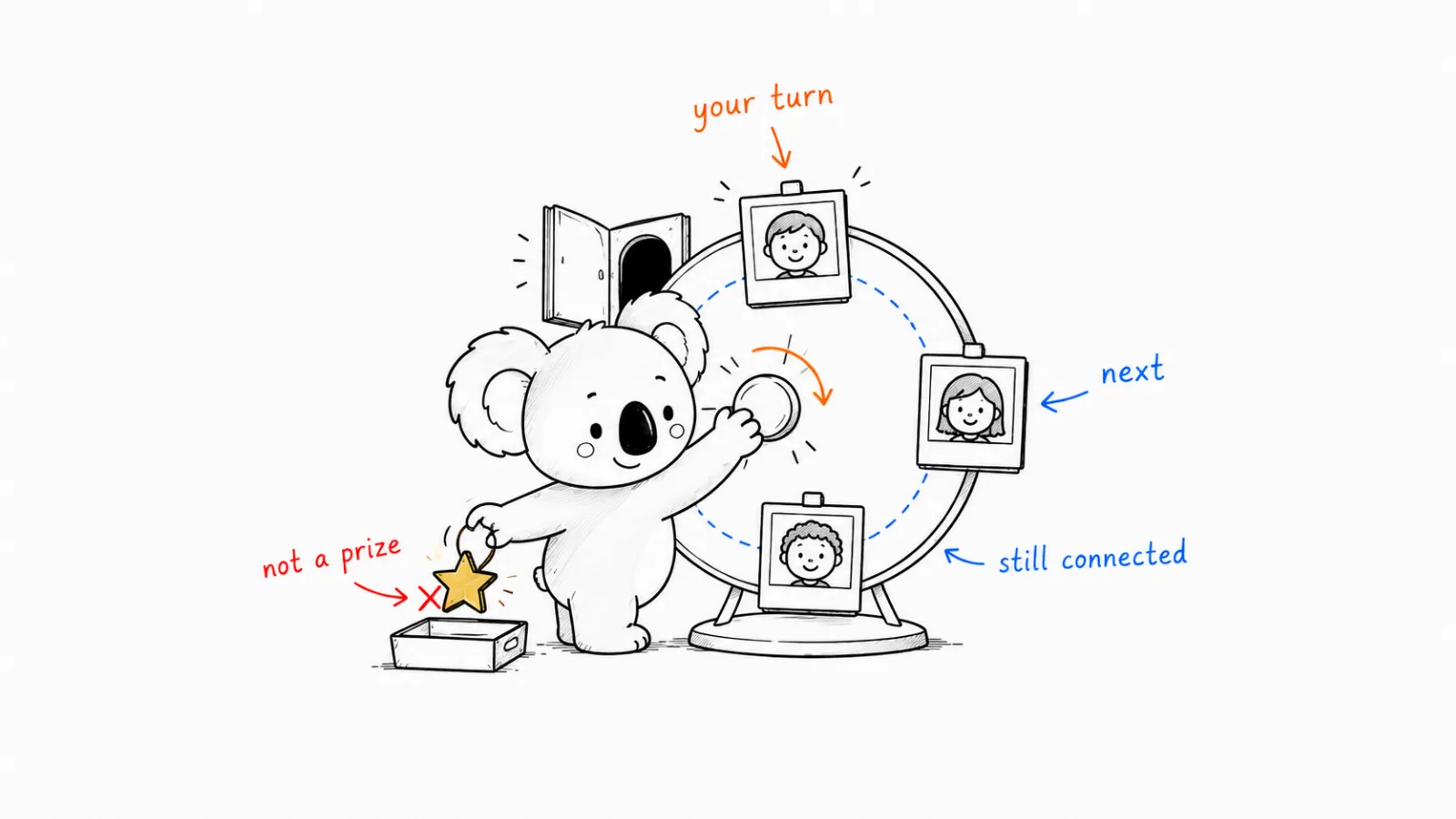
When several children want individual attention, predictability matters. A rotation shows children that each person will have a turn, even when everyone cannot have the same experience every evening.
The routine should be simple enough to explain in one sentence. For example:
“Tonight, Maya chooses a private story with Dad. Tomorrow, it is Leo’s turn.”
A complicated schedule may create more management work than it saves. For two children, alternating nights may be enough. For three or more children, a weekly chart or recurring sequence can help.
A practical rotation model
| Family situation | Possible routine | Why it may work |
|---|---|---|
| Two children with similar bedtimes | Alternate individual story nights; read together on other nights | Provides a clear, easy-to-remember pattern |
| Children with different bedtimes | Read privately with each child as they settle for bed | Uses an existing gap rather than adding a new session |
| Three or more children | Give one child the longer private turn each day; offer the others a brief check-in | Keeps the total routine manageable |
| One parent handling bedtime | Use one private book before bedtime and a shared audio story afterward | Gives one child focused attention while keeping others occupied |
| Unpredictable evenings | Promise one individual story moment per child during the week, not necessarily at bedtime | Allows flexibility without abandoning the intention |
Fairness does not always mean identical duration. A two-year-old may be satisfied with a short board book, while a seven-year-old may need more time for a chapter and conversation. Explain that each person gets what fits their story and routine.
However, watch for a pattern in which the quietest or most independent child is repeatedly postponed. Children who ask less loudly still benefit from protected attention. Keeping a simple note or chart can help adults notice whether turns are actually being shared.
Make the rotation visible
For children aged two to eight, a visual cue may be easier to understand than a verbal promise about “later in the week.” Consider using:
- ●A child’s initial on the calendar
- ●A movable bookmark labelled with the reader’s name
- ●A simple “story turn” card
- ●A row of family photos showing the order
- ●A book basket assigned to the child whose turn comes next
The system should reassure children, not become a reward chart. Individual story time is a form of family connection rather than a prize that must be earned through behaviour.
4. Protect the Moment Without Expecting Silence
Individual story time can happen in a shared home even when perfect quiet is unavailable. The goal is to reduce avoidable interruptions and give the other children a clear plan.
Before beginning, explain what everyone will do:
- ●One child chooses a quiet activity, such as drawing, puzzles or looking at books.
- ●The adult reads privately with the child whose turn it is.
- ●When the story ends, the adult returns to the group or begins the next bedtime task.
Keep waiting activities easy to start without adult help. A complicated craft that requires scissors, glue and supervision is unlikely to protect a calm reading moment.
For some families, an audio story can support the routine. The waiting children might listen in another part of the room while the adult reads privately. Alternatively, the adult and one child could listen together when the parent is too tired to read aloud. An ad-free story app such as Gula Stories may be useful here because calm narration, age-appropriate recommendations and different natural voices allow the experience to be tailored without turning it into open-ended screen time.
Plan for predictable interruptions
Young children may still interrupt, particularly while learning the routine. Respond briefly and consistently:
“I hear you. I am reading with Sam until this page ends. Then I will help you.”
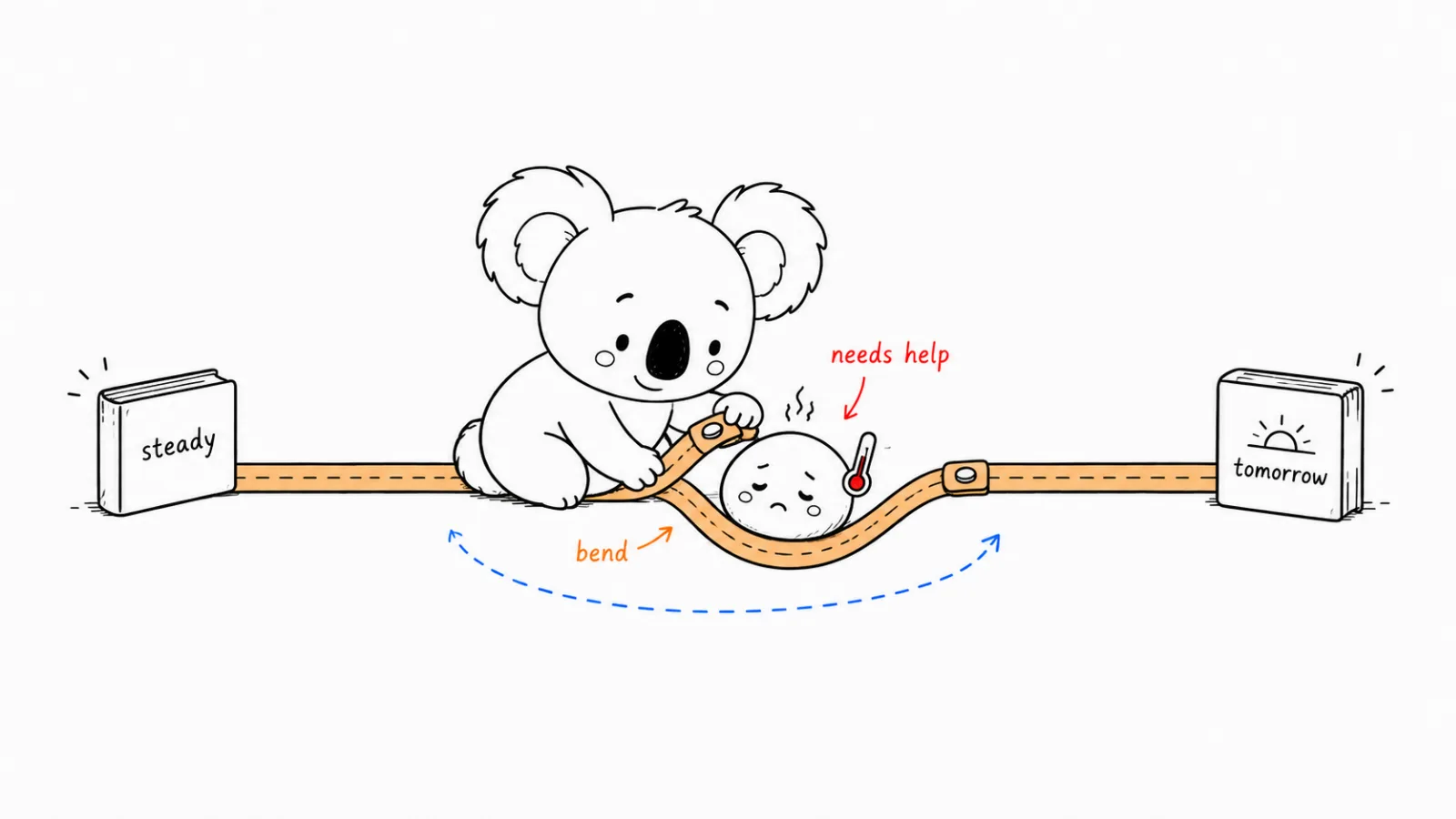
There will also be evenings when the plan should change. A child who is frightened, unwell or overwhelmed may need immediate attention, regardless of whose scheduled turn it is. Explain the exception in plain language and return to the rotation later:
“Ava needs help tonight because she feels unwell. Your story turn is moving to tomorrow.”
This teaches that routines are dependable but not rigid.
If bedtime regularly involves intense distress, persistent sleep difficulties or behaviour that concerns you, general reading routines may not address the underlying issue. Guidance from recognised sources such as HealthyChildren.org, the NHS or Australia’s Raising Children Network can provide age-appropriate context. A GP, paediatrician or other qualified health professional can help when concerns persist or affect daily family life.
5. Personalise the Experience Without Creating Extra Work
Individual story time becomes more meaningful when it reflects the child, but personalisation should not require a new book or activity every night.
A few small choices can make the moment feel distinct:
- ●Let the child choose between two books.
- ●Use a special reading place, cushion or blanket.
- ●Invite the child to select the narrator’s voice for an audio story.
- ●Ask one child-specific question at the end.
- ●Connect a character’s experience to something the child understands.
- ●Keep a separate bookmark for each child’s ongoing book.
- ●Occasionally substitute the child’s name for a character’s name, where the story still makes sense.
Match interaction to the child
Children do not all participate in stories in the same way. One may want to answer questions on every page, while another prefers uninterrupted listening. Neither approach needs to be treated as the correct one.
| Child’s response | Helpful adult approach | What to avoid |
|---|---|---|
| Wants to talk throughout | Pause at natural points and follow one or two observations | Turning every page into a quiz |
| Prefers to listen quietly | Read with warmth and leave space at the end | Demanding a summary to prove attention |
| Repeats the same book | Use repetition, then notice one new detail together | Dismissing the choice as too easy |
| Has difficulty choosing | Offer two suitable options | Presenting a large shelf at a tiring time |
| Loses interest quickly | Shorten the story or let the child move while listening | Insisting on finishing for its own sake |
| Wants a sibling’s story | Acknowledge the interest and save it for shared reading | Using comparison to pressure either child |
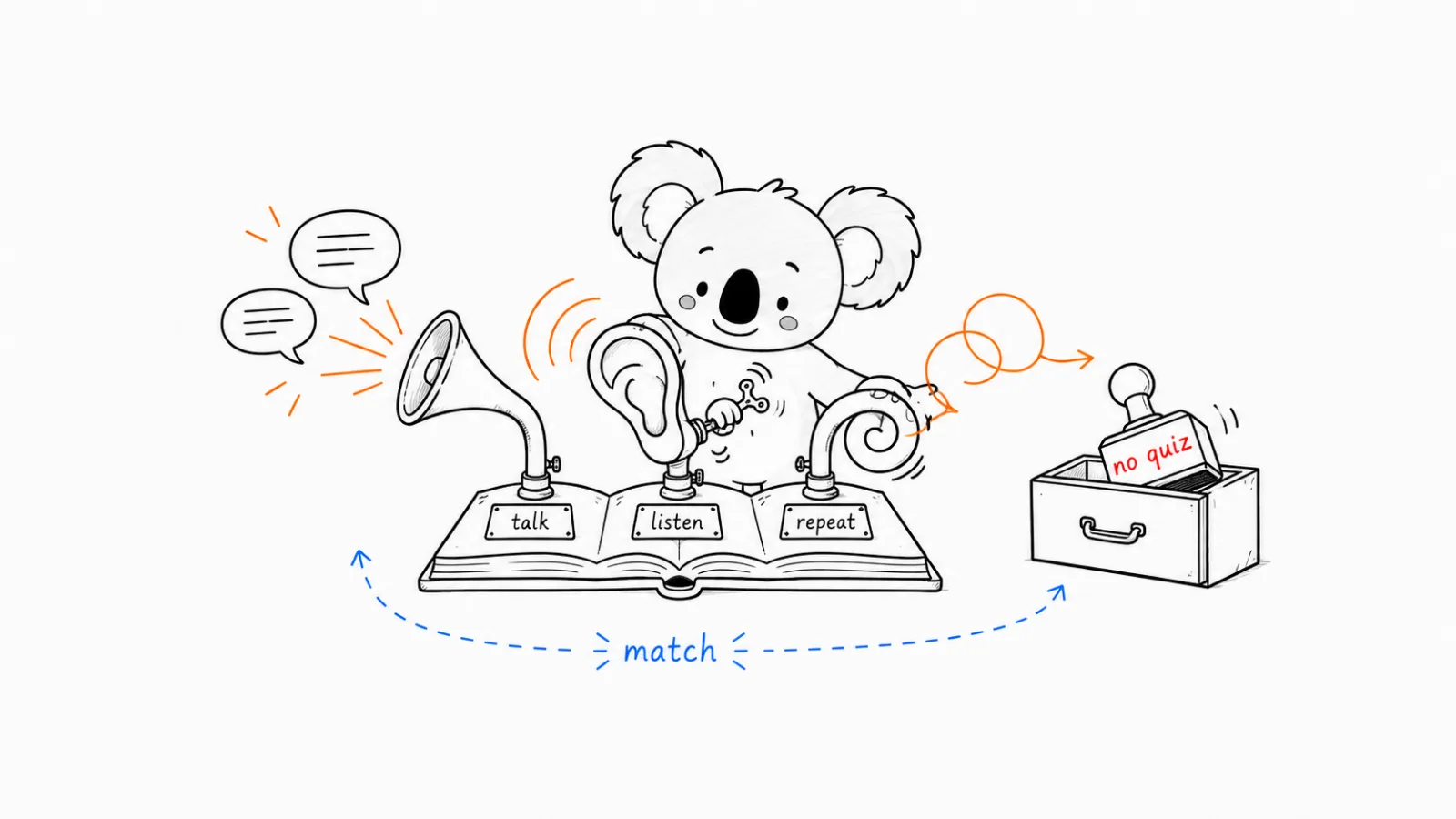
For children who enjoy seeing themselves represented, a personalised avatar or customised story element may strengthen engagement. This is one situation in which a service such as Gula Stories can complement printed books. It should remain an option within the routine, rather than replacing conversation or allowing the child to browse indefinitely.
Keep one reliable question
You do not need a detailed literacy lesson after every story. A single open prompt can create connection:
- ●“Which part would you visit if it were real?”
- ●“What do you think the character should do next?”
- ●“Was there anything surprising?”
- ●“Which picture should we look at again?”
- ●“Would you like another story about this character tomorrow?”
If the child does not want to discuss the story, let the session end calmly. Shared attention can still be worthwhile without a verbal response.
6. FAQ
How long should one-on-one story time last?
There is no required length. For a busy family, five or ten focused minutes may be more sustainable than a longer daily commitment. Use a boundary that the child can understand, such as one short book or one chapter, and adjust it for age, interest and the evening’s demands.
Should every child receive individual story time every day?
Not necessarily. A daily individual session may work for some families, but a predictable rotation is often more realistic when there are several children. The important question is whether each child receives regular, protected attention over time—not whether every evening is identical.
What if siblings become jealous or keep interrupting?
Explain the order before starting, make turns visible and give waiting children a familiar independent activity. Expect some interruptions while the routine is new. Acknowledge the child briefly, remind them when you will be available and follow through. If jealousy continues, check whether the schedule is genuinely balanced and whether the waiting activity suits the child’s age.
Is shared family reading still valuable?
Yes. Shared reading offers a different kind of connection and can remain the main family routine. Individual story time adds space for a child’s own pace, preferences and questions. Many families can combine a short private turn for one child with a shared book or audio story for everyone.
7. Conclusion
One-on-one story time when you have more than one child is most workable when it is short, visible and flexible. Choose a manageable boundary, place the moment wherever it fits naturally and use a simple rotation so children know their turns have not been forgotten.
The routine does not need to look equal every night. Children of different ages may need different books, levels of interaction and amounts of time. What matters is building a dependable pattern in which each child is occasionally the only audience.
Start with the smallest version you can repeat: one child, one book and a few calm minutes. Once that pattern feels natural, you can adjust the schedule without losing the purpose—meaningful one-on-one time with kids in the middle of ordinary family life.
Ready for calmer bedtimes?
Try Gula Stories free — 5 narrated bedtime stories, ad-free, for children ages 3-8.