
Nightmares and Night Terrors: Common Differences Parents May Notice
Nightmares are frightening dreams that usually wake a child; the child may remember the dream and seek comfort. Night te
Key Takeaways
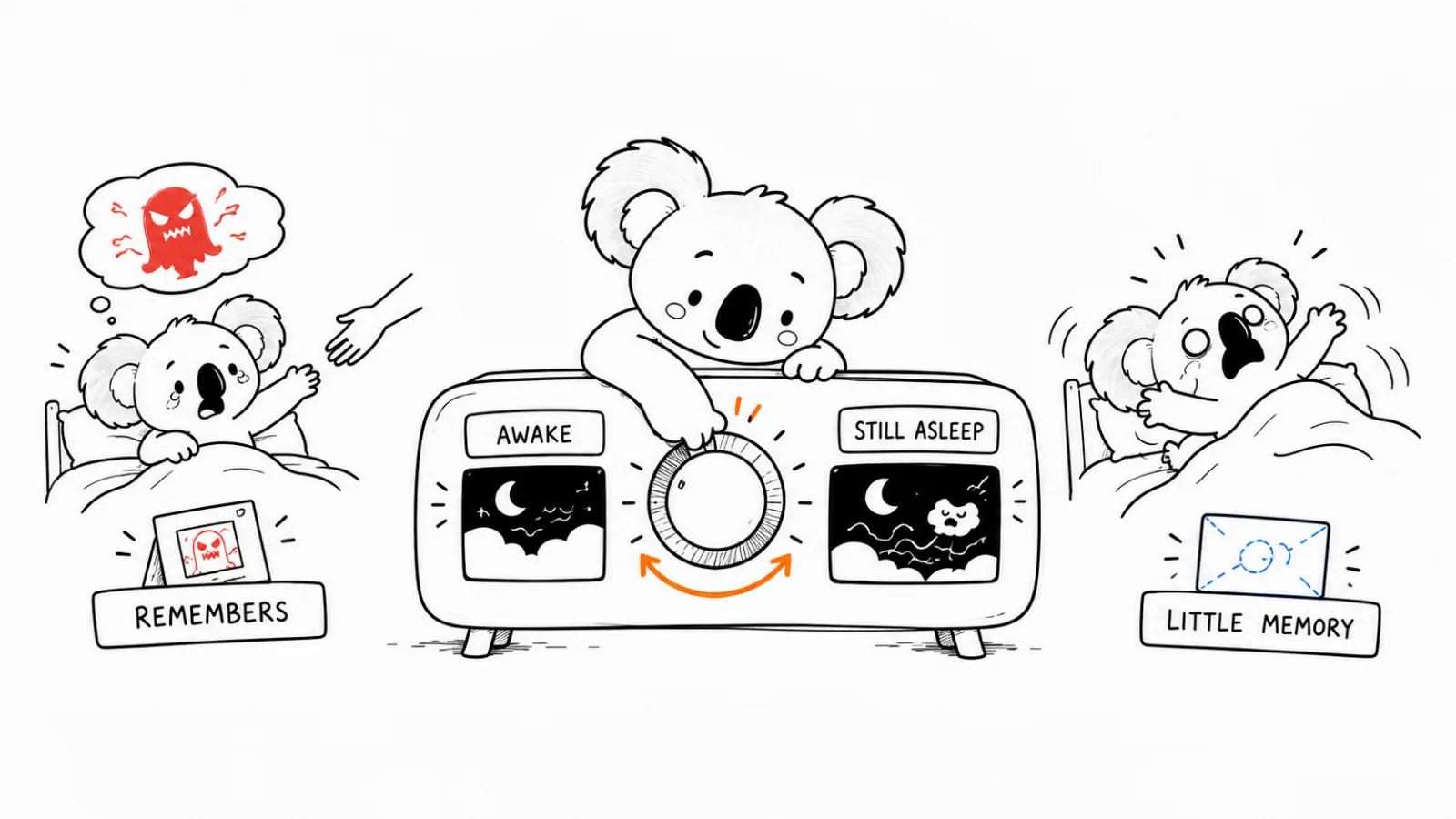
- ●Nightmares are frightening dreams that usually wake a child; the child may remember the dream and seek comfort.
- ●Night terrors happen during deep sleep. A child may scream, move, or appear terrified without being fully awake and usually remembers little or nothing afterward.
- ●During a nightmare, offer reassurance. During a night terror, stay calm, protect the child from injury, and avoid trying to wake them unless safety requires it.
- ●Occasional episodes are common in childhood, but frequent events, injuries, breathing difficulties, unusual movements, or daytime effects warrant medical advice.
The main difference between nightmares and night terrors is the child’s level of awareness. After a nightmare, a child is usually awake and responsive; during a night terror, they remain largely asleep even though their eyes may be open and their behaviour can look dramatic.
Understanding when an episode occurs, how the child responds, and what they remember the next morning can help parents tell these experiences apart and choose a calm, practical response.
Nightmares vs Night Terrors: A Parent’s Comparison
Both experiences can involve crying or fear, but they arise from different sleep states and tend to follow different patterns.
| What parents may notice | Nightmares | Night terrors |
|---|---|---|
| Usual timing | More often later in the night, when dreaming sleep is more common | More often in the first part of the night, during deep sleep |
| Child’s awareness | Awake after the event and able to respond | Still mostly asleep, despite appearing distressed |
| Behaviour | Calls out, cries, or comes to find a parent | May scream, sit up, thrash, sweat, breathe quickly, or stare |
| Response to comfort | Usually recognises the parent and accepts reassurance | May not recognise the parent and may resist comfort |
| Memory afterward | May describe the frightening dream | Usually has little or no memory the next morning |
| Return to sleep | May need reassurance and help settling | Often settles back into ordinary sleep after the episode ends |
Night terrors can be especially unsettling because a child may look awake while remaining difficult to reach. Open eyes do not necessarily mean full awareness. Attempts to hold, question, or wake the child can sometimes increase their agitation.
A nightmare generally has a clearer emotional story. A child might say that a monster was in the room or that someone was chasing them. Younger children may not explain the dream clearly, but they usually know they were frightened and want a familiar adult nearby.
How to Respond During an Episode
When your child has a nightmare
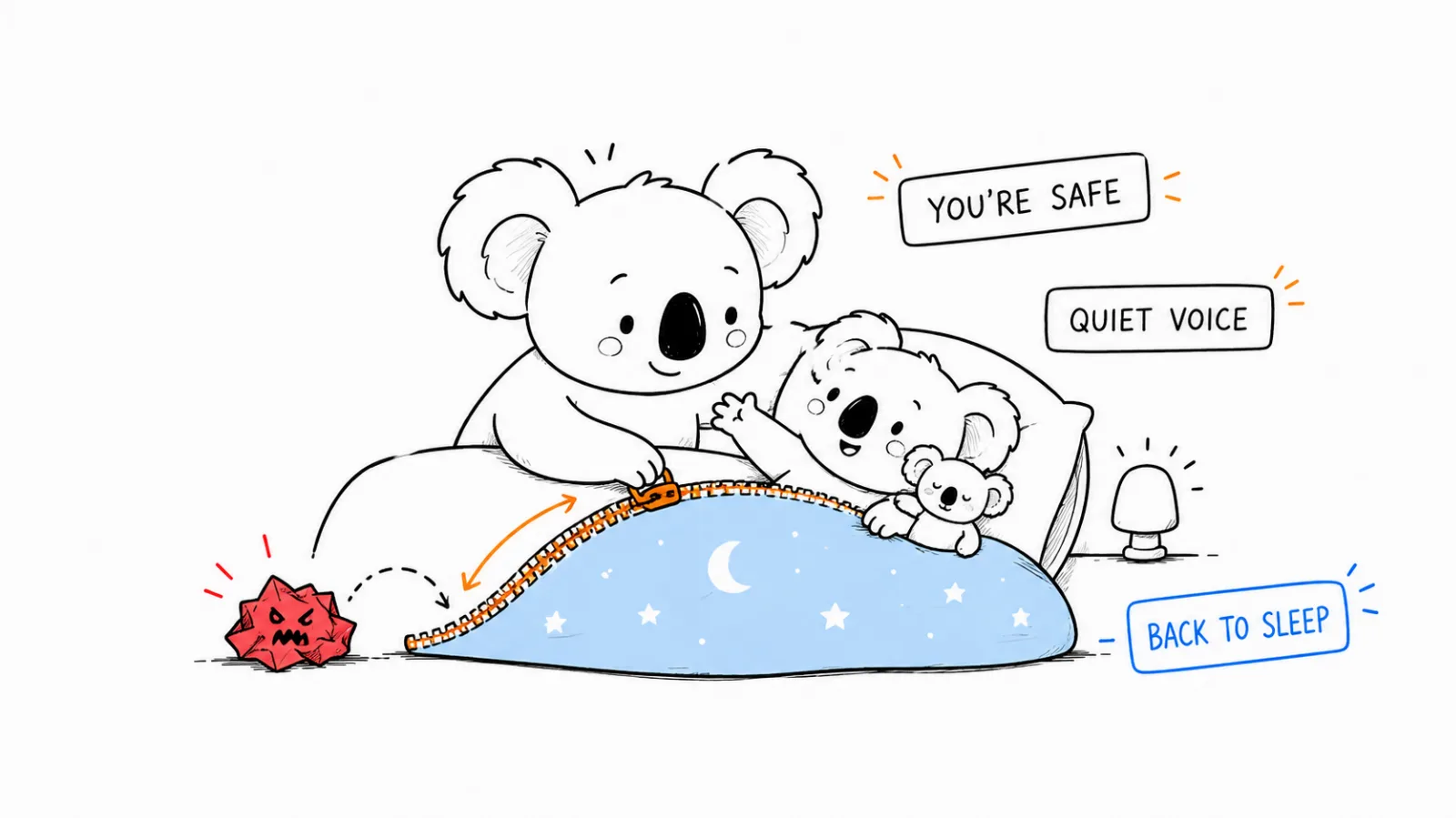
Go to your child and offer simple reassurance: “You had a scary dream. You are safe, and I’m here.” Keep lights low and your voice quiet so the room still signals that it is time to sleep.
It may help to:
- ●Listen briefly if your child wants to describe the dream.
- ●Confirm that the frightening event was a dream without dismissing the fear.
- ●Offer a cuddle, a drink of water, or help finding a comfort object.
- ●Check the room once if your child needs reassurance, then guide them back toward sleep.
- ●Avoid beginning an exciting activity or a long discussion in the middle of the night.
If bedtime content appears to affect your child, choose calm, age-appropriate stories and avoid frightening videos, games, or conversations before bed. A familiar story with gentle narration—whether read aloud or played through an ad-free app such as Gula Stories—may help restore a predictable bedtime rhythm, although it cannot guarantee that nightmares will stop.
When your child has a night terror
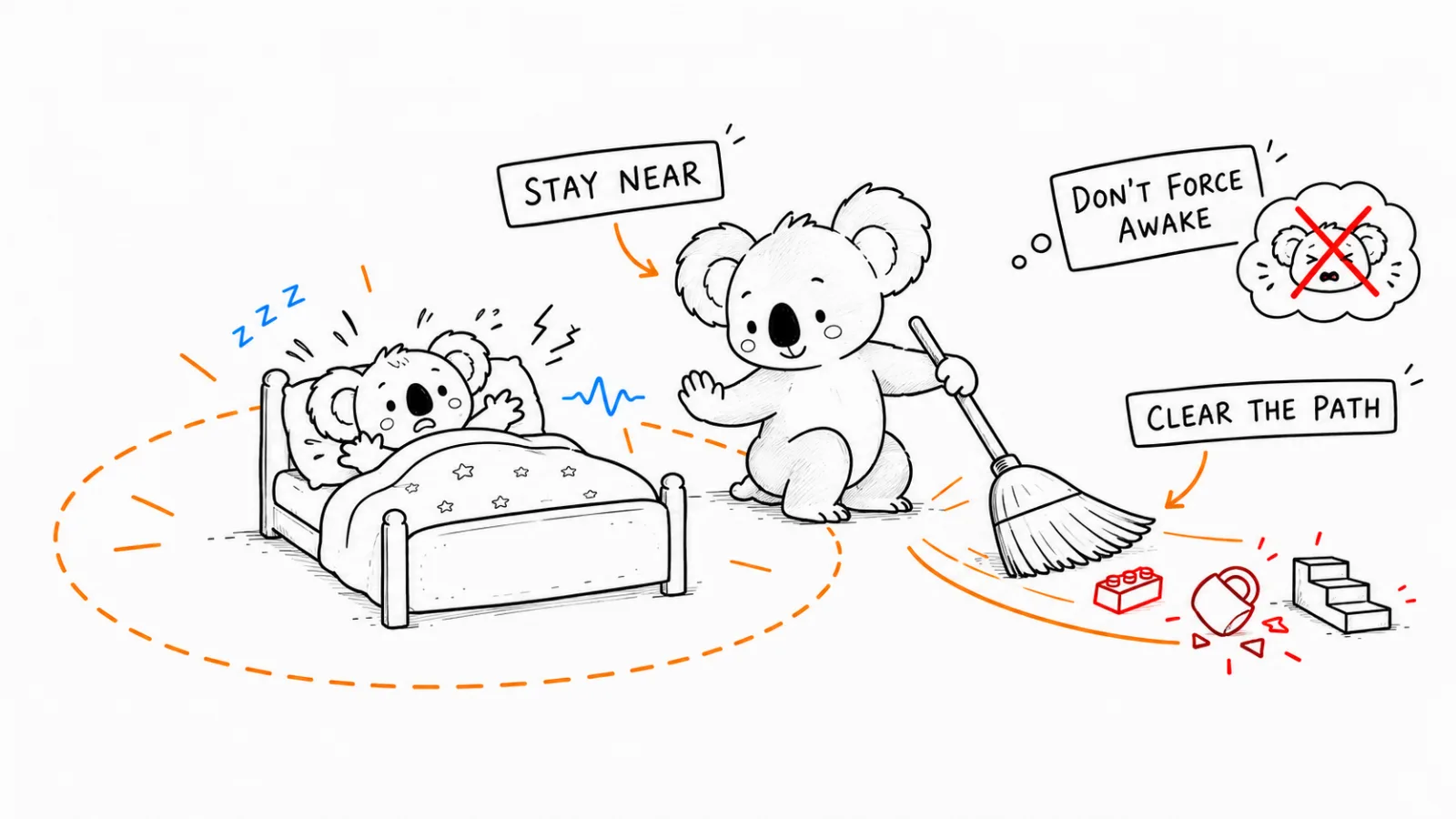
Stay nearby and focus on physical safety. In most cases, the episode passes without the child needing to be awakened.
A calm response may include:
- ●Moving hard, sharp, or breakable objects out of reach.
- ●Gently blocking access to stairs, windows, or doors.
- ●Speaking softly without asking questions or demanding a response.
- ●Avoiding restraint unless it is necessary to prevent immediate injury.
- ●Waiting for the child to settle while observing their breathing and movements.
Do not shake, shout at, or repeatedly try to wake the child. Because they are not fully conscious, they may become more confused or distressed. Afterward, let them continue sleeping if they are safe and breathing normally.
The next morning, there is usually no need to describe the event dramatically to a child who does not remember it. A neutral comment is enough if discussion is necessary.
Patterns Worth Tracking and When to Seek Advice
Occasional nightmares or night terrors can occur in otherwise healthy children. Episodes may become more likely when sleep is disrupted—for example, during illness, travel, stress, schedule changes, or periods when a child is not getting enough sleep.
For recurring events, keep a simple sleep record for one or two weeks. Note:
- ●Bedtime and estimated time asleep
- ●The time each episode begins
- ●How long it appears to last
- ●What the child does
- ●Whether the child responds or remembers anything
- ●Recent illness, medicines, stress, travel, or missed sleep
- ●Snoring, pauses in breathing, or unusual repetitive movements
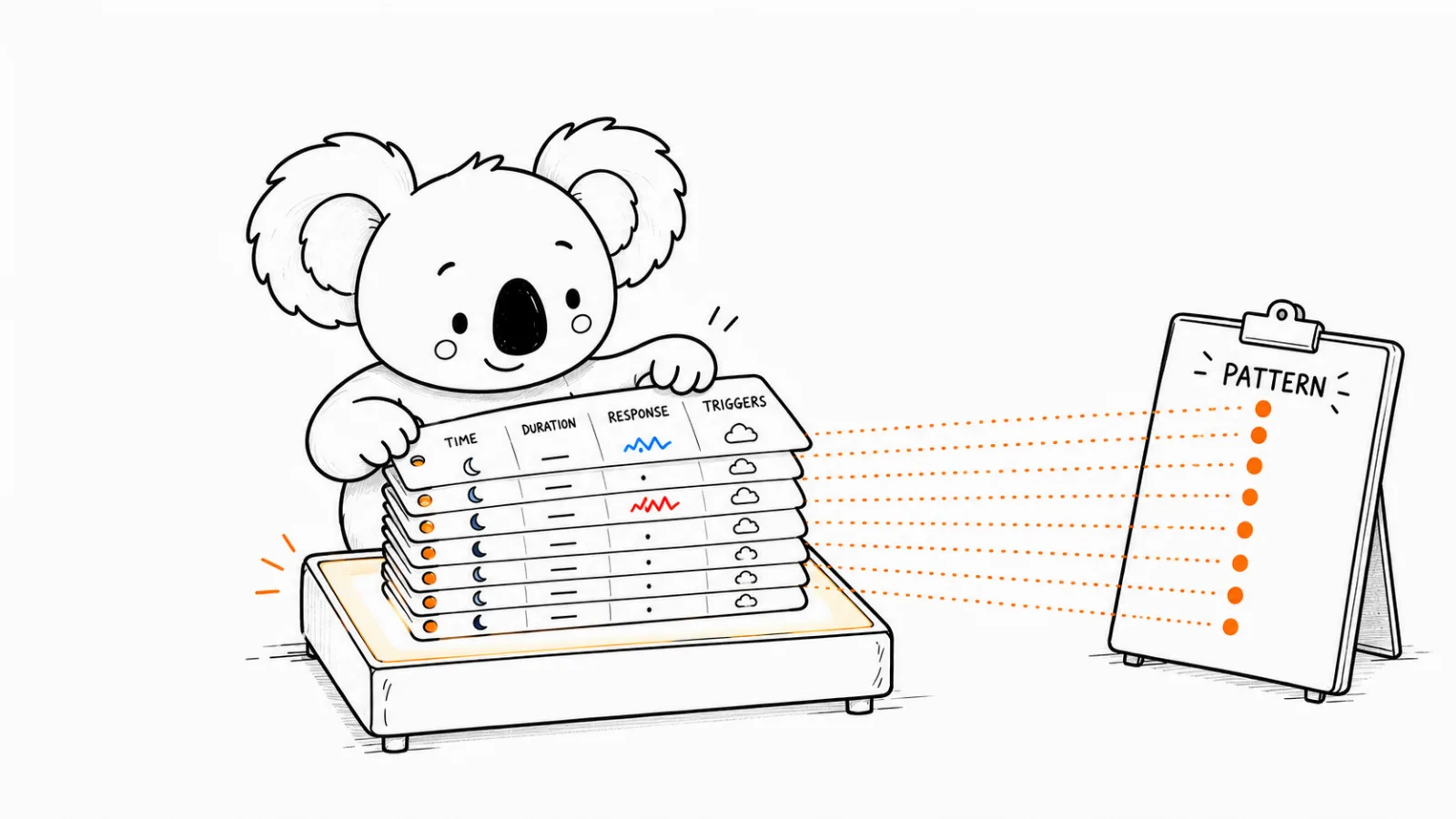
This information can help a GP, paediatrician, or other qualified health professional understand the pattern. Recognised parenting and health resources, including HealthyChildren.org, the NHS, and Raising Children Network, also advise seeking professional guidance when sleep events are persistent, disruptive, or concerning.
Arrange medical advice if episodes:
- ●Happen frequently or are becoming more intense
- ●Regularly disrupt the child’s sleep or the household’s ability to function
- ●Cause injuries or create a risk of falling, leaving the room, or reaching stairs
- ●Are accompanied by loud snoring, choking, gasping, or pauses in breathing
- ●Include stiffening, repeated jerking, drooling, loss of bladder control, or other movements that concern you
- ●Lead to significant daytime sleepiness, behaviour changes, anxiety, or difficulty functioning
- ●Begin after a new medicine or a significant health change
- ●Continue in a way that feels unusual for your child
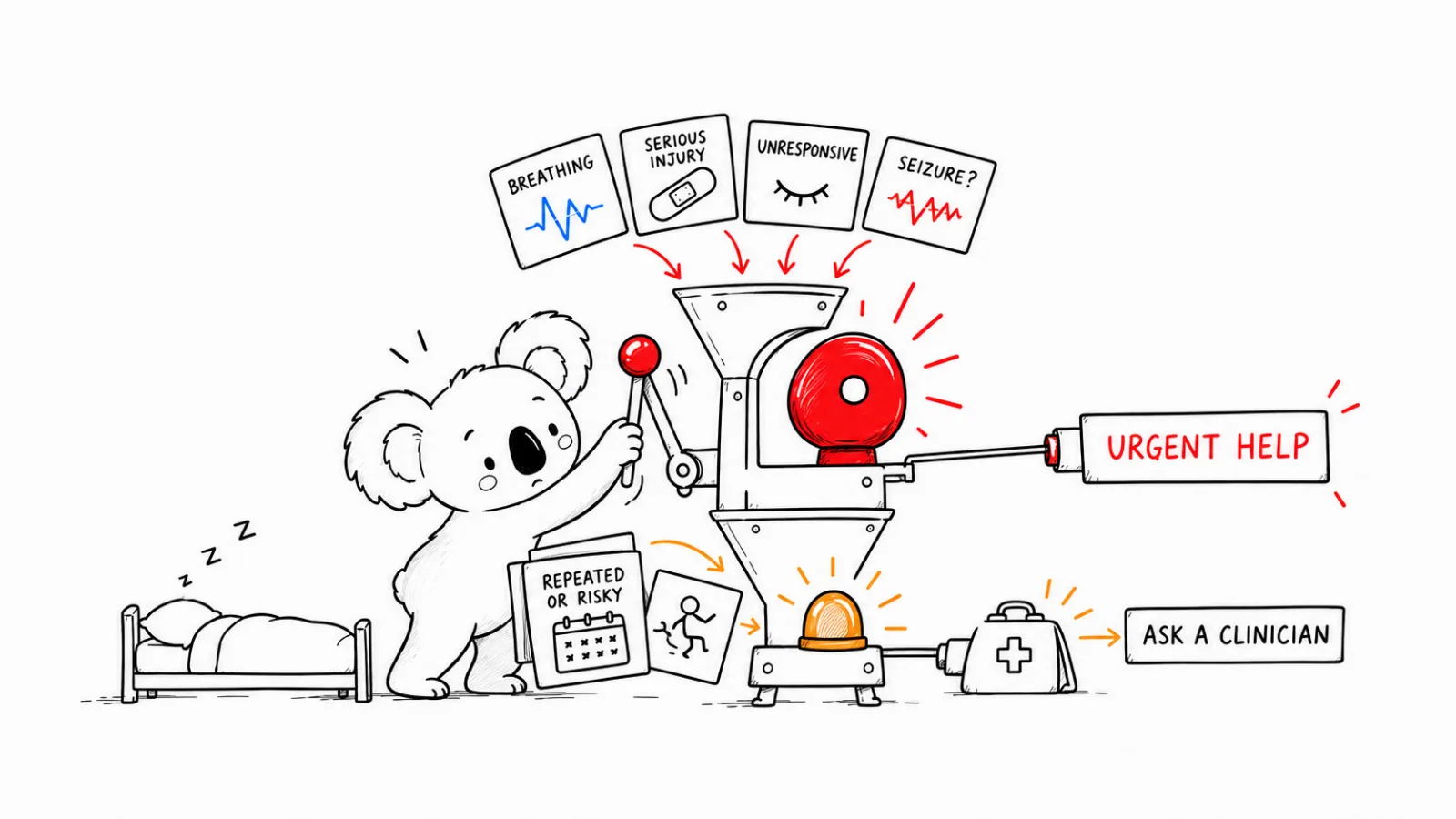
Seek urgent medical help if a child has difficulty breathing, turns blue or unusually pale, is seriously injured, remains unresponsive after the event, or has an episode that may be a seizure. When unsure, follow local emergency advice.
FAQ
Can a child experience both nightmares and night terrors?
Yes. Experiencing one does not prevent a child from having the other. Use the timing, responsiveness, behaviour, and next-morning memory to identify the more likely pattern, but consult a health professional if events are difficult to distinguish or happen often.
Should parents tell a child about a night terror the next morning?
Usually, a detailed account is unnecessary if the child has no memory and is otherwise well. Discussing it dramatically may create worry about going to sleep. If the child asks, explain calmly that their body became active while they were still asleep and that an adult kept them safe.
Can night terrors happen during a daytime nap?
They can occur during naps if a child enters deep sleep, although parents more commonly notice them at night. The same safety-focused response applies.
Should siblings share a room if one child has night terrors?
Room-sharing is not automatically unsafe, but consider the frequency and intensity of the episodes. Keep pathways clear, secure bunk beds and nearby furniture, and make a temporary sleeping adjustment if another child is repeatedly disturbed or could be injured.
The Bottom Line
Nightmares call for comfort because the child is awake and frightened; night terrors call for calm observation and protection because the child is still largely asleep. Most occasional episodes can be managed safely at home, but persistent, unusual, or risky events deserve a conversation with a qualified health professional.
Ready for calmer bedtimes?
Try Gula Stories free — 5 narrated bedtime stories, ad-free, for children ages 3-8.