
How Gula Stories Recommends Age-Appropriate Stories
Gula Stories uses a child’s age to narrow the story choices presented to families. Age is a useful starting point, but i
Key Takeaways
- ●Gula Stories uses a child’s age to narrow the story choices presented to families.
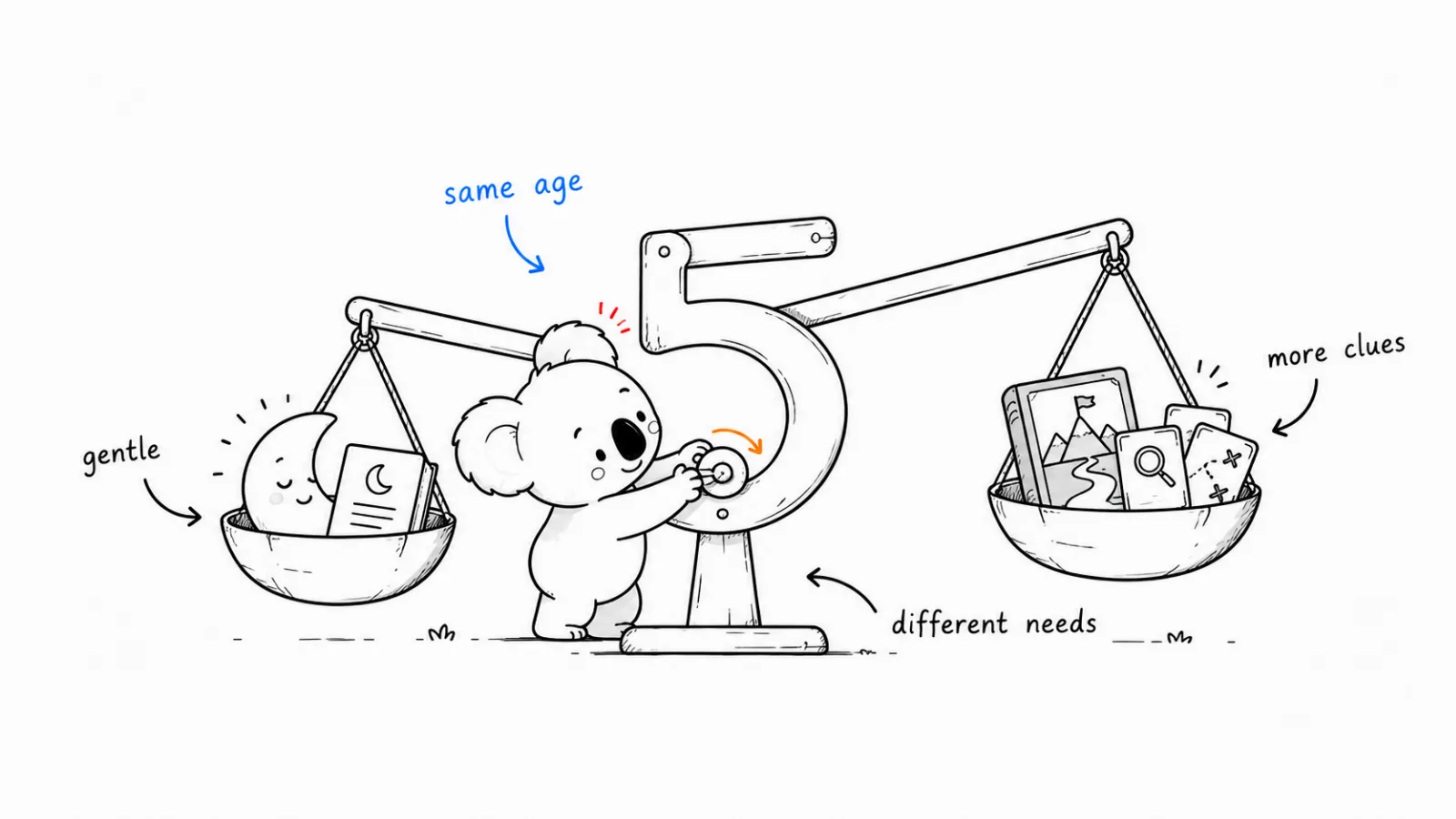
- ●Age is a useful starting point, but it cannot predict every child’s interests, sensitivities, or comprehension.
- ●Parents should consider theme, emotional intensity, language, and story length when choosing between recommendations.
- ●If a recommendation does not suit your child, select a different story and adjust the child’s age or available preference settings where appropriate.
- ●An age appropriate story app supports parental judgement; it does not replace it.
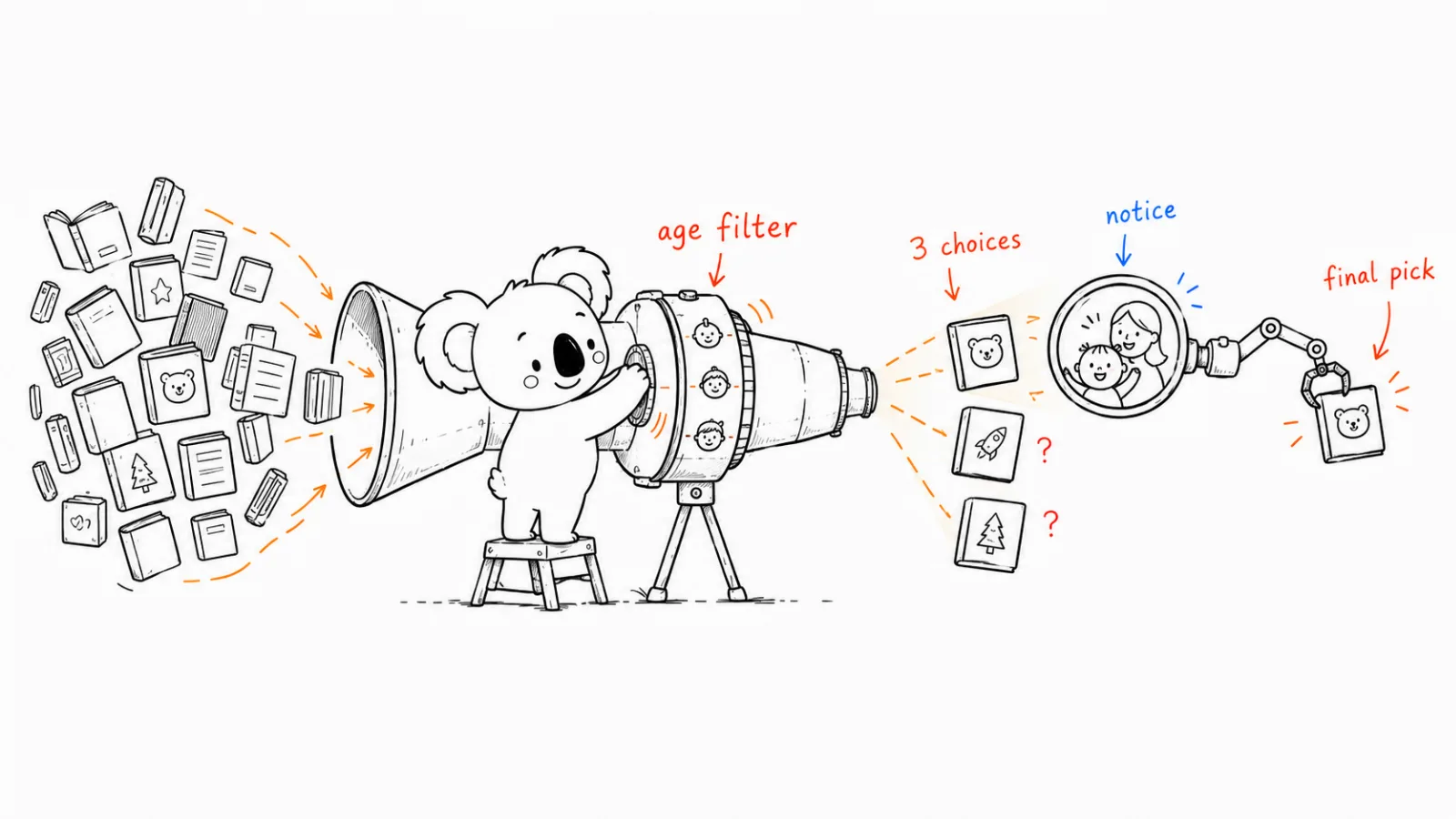
Gula Stories recommends stories using age as an initial guide, helping parents find options with suitable language, themes, and complexity for children aged 2–8. These recommendations reduce browsing time, but parents still make the final choice because children of the same age can respond very differently to a story.
The most useful way to approach an age-based recommendation is as a well-organised starting point. Check the story description, notice how your child responds, and adjust future selections when a story feels too simple, too complex, or emotionally unsuitable.
What “Age-Appropriate” Means in a Story App
Age appropriateness involves more than avoiding obviously frightening material. A suitable story also needs to match how a child follows language, understands events, and manages emotional tension.
An age appropriate story app may consider several practical dimensions:
| Story feature | What parents can look for |
|---|---|
| Language | Familiar words and manageable sentence structures |
| Plot complexity | A sequence of events the child can follow without becoming lost |
| Themes | Situations that make sense within the child’s experience |
| Emotional intensity | Conflict or uncertainty that does not overwhelm the child |
| Story length | A duration that suits the child’s attention and bedtime routine |
| Resolution | A clear, reassuring ending, especially for younger listeners |
For example, a younger child may enjoy repetition, predictable patterns, and a simple problem that is resolved quickly. An older child may be ready for a longer plot, more detailed characters, or a mystery that requires remembering clues.
These patterns are typical rather than universal. One five-year-old may enjoy an involved adventure, while another may prefer a gentle story with very little suspense. Age-based recommendations cannot fully capture those differences.
How Gula Stories Uses Age as a Starting Point
Gula Stories offers age-appropriate recommendations within an ad-free bedtime story experience. The child’s age helps narrow the library to stories that are more likely to suit their stage, instead of asking parents to assess every available title from scratch.
The recommendation should be understood as a filter, not a strict developmental judgement. A suggested story does not mean that every child of that age will enjoy it, understand it in the same way, or feel comfortable with its themes.
Parents can make a quick suitability check before pressing play:
- ●Read the description. Look for themes your child currently enjoys or avoids.
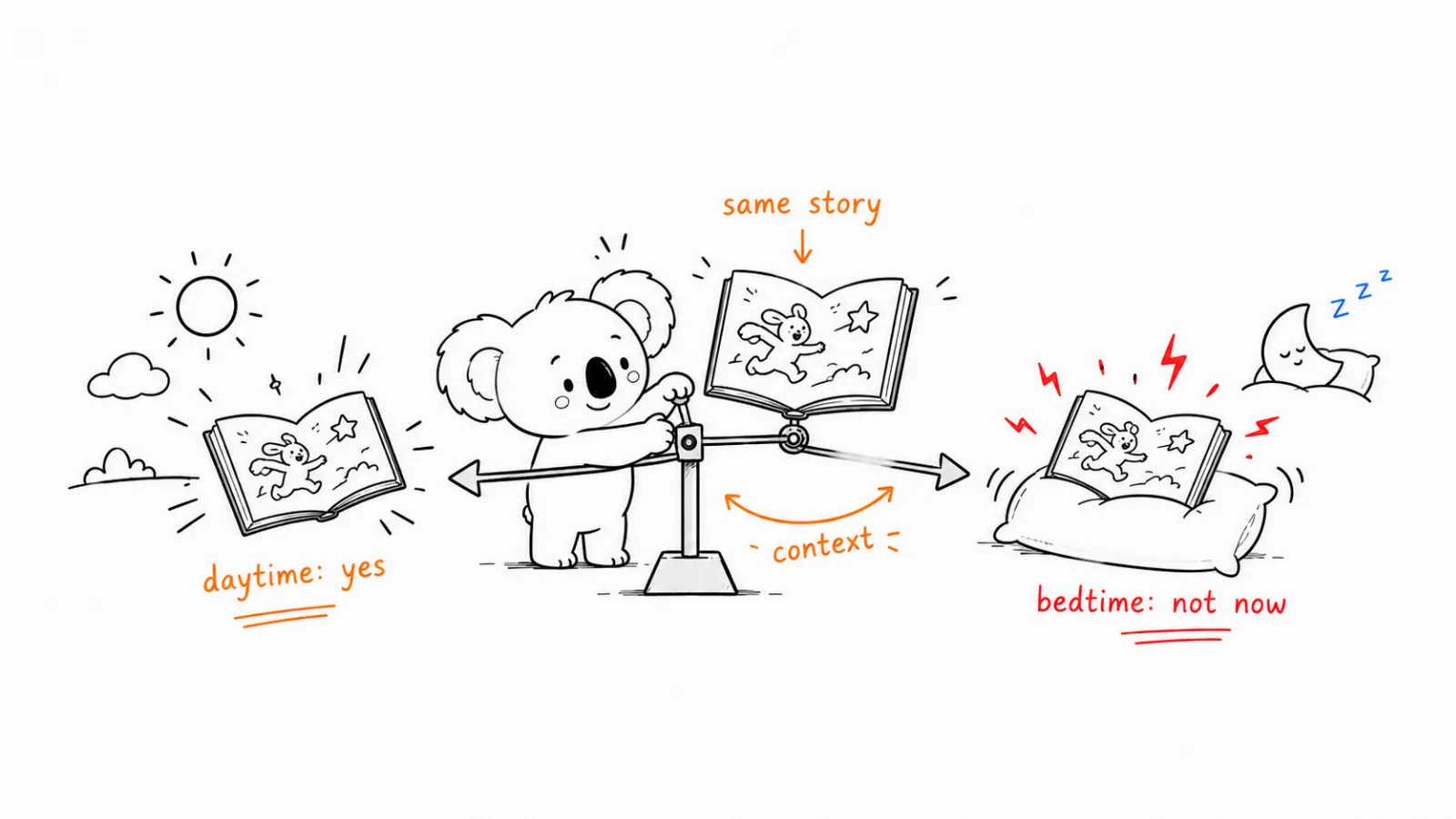
- ●Consider the mood. A lively adventure may be age-appropriate but poorly timed for a child who needs a quiet bedtime.
- ●Check the expected complexity. If your child often asks what is happening, a simpler plot may work better.
- ●Listen to the response. Engagement, repeated questions, restlessness, or discomfort can all help guide the next choice.
- ●Change course when needed. It is reasonable to stop a story and choose another without treating the first selection as a failure.
This combination of age filtering and parental observation is more useful than relying on a number alone.
How to Adjust Recommendations for Your Child
Begin by confirming that the child’s age is correct in the profile or relevant app setting. If the app provides preference controls, use them to reflect the child’s interests and the kind of listening experience needed at that moment.
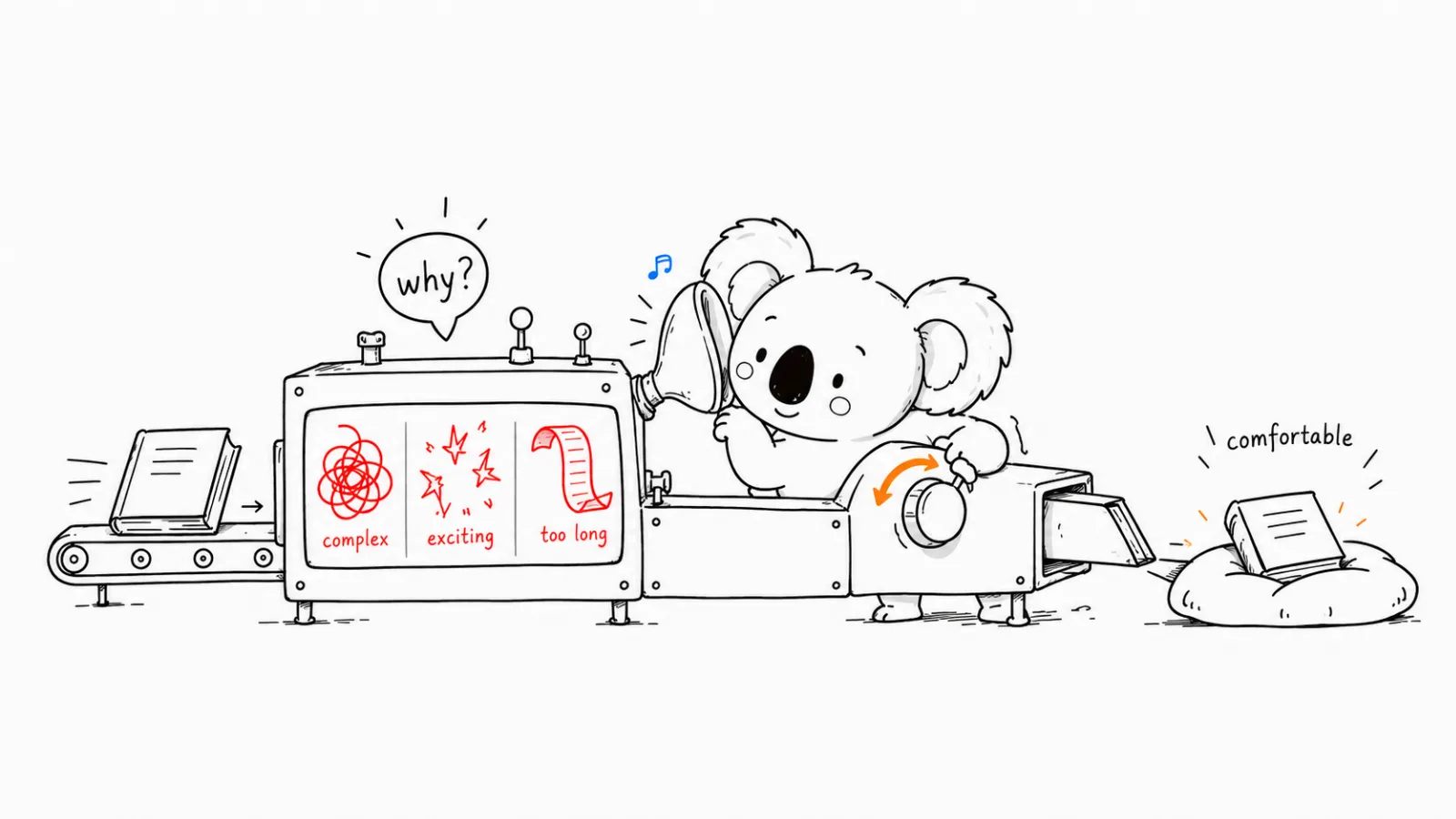
When a recommended story misses the mark, identify why before changing your approach:
- ●Too difficult to follow: Choose a simpler plot or a story aimed at a slightly younger listening level.
- ●Too easy or repetitive: Try a richer narrative with more developed characters or a longer sequence of events.
- ●Too exciting at bedtime: Select a calmer theme, even if the adventurous story is technically suitable for the child’s age.
- ●Emotionally uncomfortable: Avoid that theme for now and return to familiar, reassuring material.
- ●Not engaging: Change the subject, setting, or character type rather than assuming the age range is wrong.
- ●Too long: Pick a shorter story or pause at a natural stopping point if that option is available.
Moving outside the usual age recommendation can sometimes be appropriate. A child learning English may enjoy the clear structure of stories intended for younger listeners. A confident older listener may prefer more complex plots. A child experiencing a major change may temporarily seek familiar stories that feel younger but provide comfort.
The aim is not to keep moving toward harder material. The better choice is the story your child can enjoy and follow comfortably in the current situation.
Recommendations Are Not Content Guarantees
No automated recommendation can account for every family’s values or every child’s sensitivities. A story may be broadly suitable for an age group while still including a separation, storm, unfamiliar creature, or moment of suspense that troubles a particular child.
Parents may want to preview descriptions when a child:
- ●is especially sensitive to danger, darkness, separation, or loss;
- ●has recently experienced a difficult event;
- ●becomes highly stimulated by adventure stories before sleep; or
- ●repeatedly worries about a particular story after listening.
Occasional strong reactions to fictional events can occur in childhood. If worries are persistent, intense, or affecting daily life or sleep, consider discussing them with a qualified health professional. Trusted parenting resources such as HealthyChildren.org, the NHS, and Raising Children Network also provide general guidance on children’s fears and emotional development.
FAQ
Does an older age setting always provide better stories?
No. An older setting generally means greater complexity, not greater quality. The right story is one your child can understand and enjoy without unnecessary confusion or distress.
Should siblings share the same recommendations?
They can listen together, but the younger child’s comfort and comprehension should guide the shared selection. Separate profiles or individual choices may be more useful when siblings have different interests or sensitivities.
What if my child always chooses the same story?
Repetition is common, particularly among younger children. Familiar stories can support participation, anticipation, and a sense of security. Parents can introduce variety gradually by offering one familiar option alongside one new story.
Can we use the recommendations outside bedtime?
Yes. A story that feels too energetic for bedtime may work well during quiet play, travel, or an afternoon rest. Suitability depends partly on context, not only age.
The Bottom Line
Gula Stories uses age-based recommendations to make story selection more manageable, while leaving room for parents to respond to the individual child. Treat the suggested age as a starting point, observe your child’s reaction, and adjust the story choice whenever language, mood, complexity, or theme does not feel right.
Ready for calmer bedtimes?
Try Gula Stories free — 5 narrated bedtime stories, ad-free, for children ages 3-8.