
Helping Kids Process a Hard Day Before Sleep
A short bedtime debrief can help a child feel heard without turning bedtime into a long problem-solving session. Keep th
Key Takeaways
- ●A short bedtime debrief can help a child feel heard without turning bedtime into a long problem-solving session.
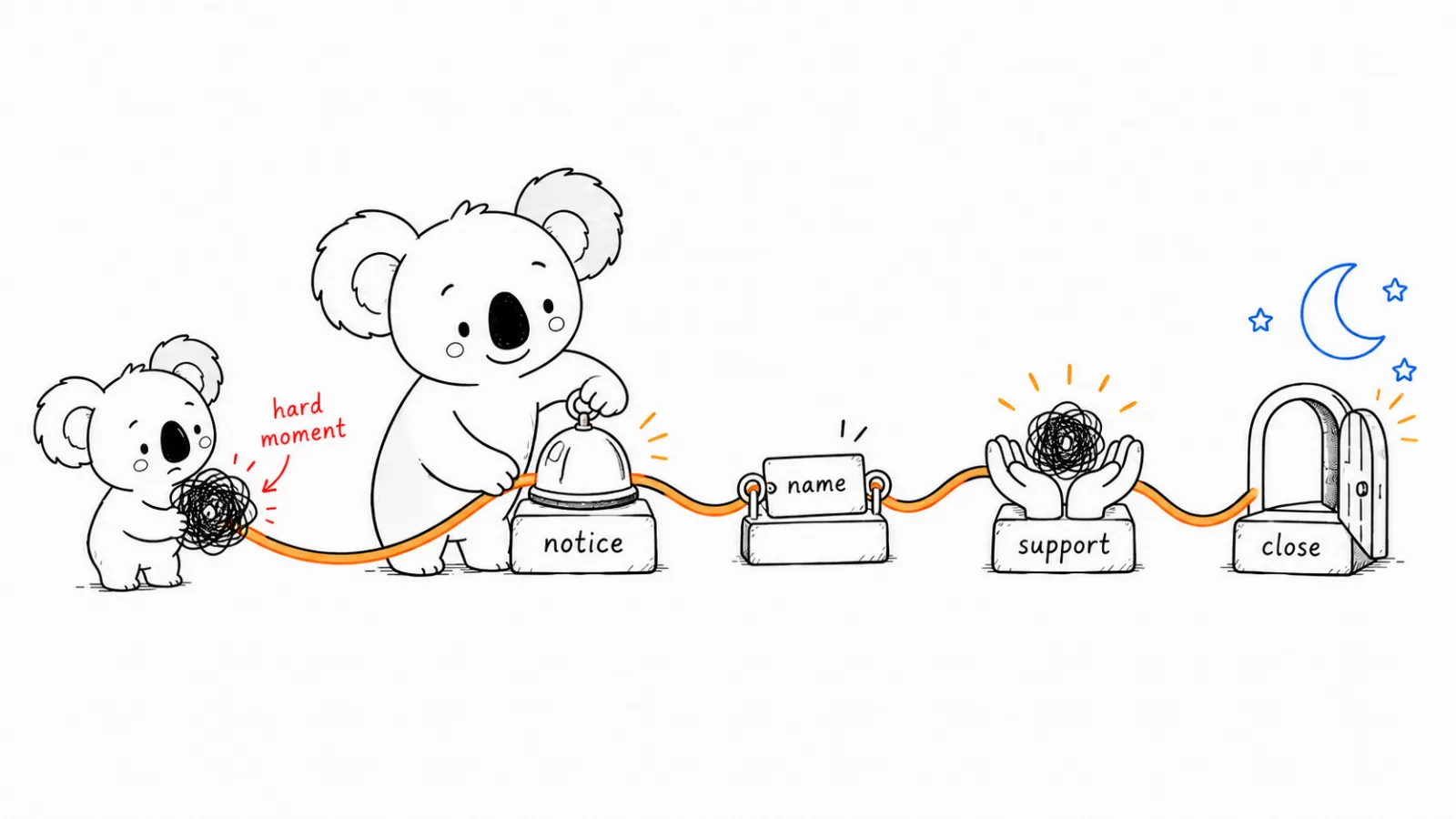
- ●Keep the ritual predictable: notice the feeling, name one hard moment, identify support, and close the day.
- ●Validate your child’s experience without interrogating them, correcting every detail, or trying to force a positive ending.
- ●If your child becomes more alert or distressed while talking, pause the conversation and return to calming bedtime cues.
- ●Persistent distress, sleep disruption, or major changes in behaviour are reasons to seek guidance from a health professional.
1. Introduction
A difficult day can follow a child into the bedroom. A disagreement at school, a change in routine, an embarrassing moment, or a separation from a parent may seem small to an adult but feel unfinished to a young child.
This creates a familiar dilemma: should you invite your child to talk, or will talking make bedtime harder?
The answer is usually not a long emotional discussion. For children aged two to eight, a brief and predictable debrief can acknowledge what happened while signalling that the day is now over. The purpose is not to solve every problem before sleep. It is to help the child feel accompanied, safe, and able to set the experience down until tomorrow.
When parents search for help with a child bad day bedtime situation, they often need something simple enough to use when everyone is tired. The ritual in this guide takes only a few minutes and follows four steps:
- ●Notice the child’s current feeling.
- ●Name one difficult moment.
- ●Identify support or a next step.
- ●Close the day with a familiar calming cue.
This approach reflects a broader principle found in guidance from organisations such as the American Academy of Pediatrics’ HealthyChildren.org, the NHS, and Australia’s Raising Children Network: predictable routines, calm connection, and responsive listening can support children at bedtime. Individual children vary, however, and a bedtime ritual is not a substitute for professional assessment when concerns are persistent or severe.
2. Keep the Debrief Short, Safe, and Predictable
The core conclusion is simple: bedtime debriefing works best as a small closing ritual, not an open-ended investigation.
Young children may have limited words for complex emotions. They may express a difficult day through clinginess, tears, resistance, silliness, repeated requests, or physical complaints. At bedtime, tiredness can make those reactions stronger. Asking many detailed questions may increase alertness or make the child feel responsible for explaining everything correctly.
A predictable structure reduces that pressure. The child learns that there is space for one hard thing, that a trusted adult can hold it with them, and that they do not need to resolve the entire experience immediately.
The four-step debrief
| Step | Parent’s purpose | Example language |
|---|---|---|
| 1. Notice | Acknowledge the child’s present state | “You seem quiet tonight,” or “Your body looks tense.” |
| 2. Name | Give one difficult moment a simple label | “The hardest part was when the game ended.” |
| 3. Support | Reinforce safety, connection, or a practical next step | “I’m here with you. We can think about what to do tomorrow.” |
| 4. Close | Signal that the conversation and the day are ending | “That was a hard part of today. Now it is time for rest.” |
The ritual may take two to five minutes, but there is no need to time it rigidly. The useful boundary is not an exact duration; it is whether the conversation remains contained and calming.
A practical scenario
Suppose a six-year-old says, just after the light goes off, “Nobody played with me today.”
A parent may feel an immediate need to gather facts:
- ●Who refused to play?
- ●Did you ask someone else?
- ●What did the teacher do?
- ●Are you sure nobody played with you?
Those questions may be appropriate later, but bedtime is rarely the ideal time for a full reconstruction. A shorter response could be:
“Feeling left out was the hard part of your day. I’m glad you told me. You do not have to work it all out tonight. Tomorrow, we can talk about what might help.”
The parent has not dismissed the problem or promised that it will disappear. They have acknowledged it, offered continued support, and placed problem-solving at a more suitable time.
3. Validate the Feeling Without Reopening the Whole Day
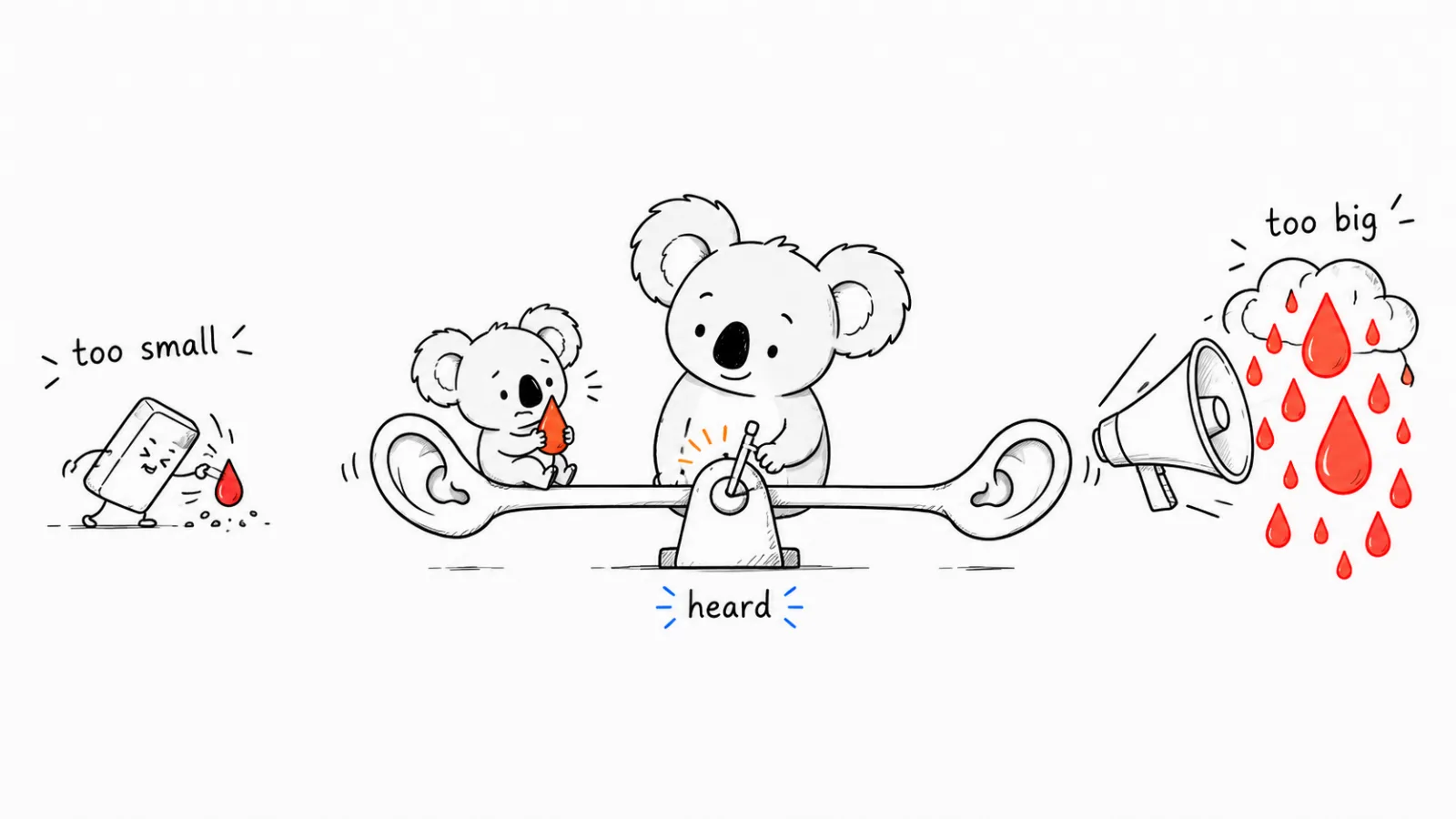
Validation means recognising the child’s experience. It does not mean agreeing with every interpretation, approving harmful behaviour, or deciding who was right.
A useful validating response usually has three parts:
- ●A neutral observation
- ●A simple emotion word
- ●A statement of connection
For example:
“You wanted more time with the toy, and it was upsetting when your turn ended. I’m here with you.”
This is more settling than either minimising the experience—“That’s nothing to be upset about”—or dramatically expanding it—“That sounds absolutely terrible; tell me everything that happened.”
Match the language to the child’s age
Children aged two to four often benefit from short phrases and concrete choices:
- ●“Was it more sad or more angry?”
- ●“Did your tummy feel tight?”
- ●“You missed me at childcare. Now we are together.”
Children aged five to eight may be able to describe events in more detail, but they still need boundaries:
- ●“What was the hardest part?”
- ●“Do you want me to listen, help, or make a plan for tomorrow?”
- ●“Tell me the one thing you want me to remember.”
Avoid requiring a child to identify the “correct” emotion. A child may say they feel angry when they also seem disappointed or worried. You can offer possibilities without overruling them:
“It sounds like anger was the biggest feeling. I wonder if there was some disappointment too.”
If the child rejects your suggestion, accept the correction. The goal is connection, not an emotional vocabulary test.
What not to do at bedtime
Some well-intended responses can make the day feel larger rather than more contained:
- ●Asking a long series of questions
- ●Correcting minor inconsistencies
- ●Pressuring the child to forgive someone immediately
- ●Insisting that they find a positive part of the experience
- ●Promising an outcome you cannot control
- ●Beginning a lecture about the child’s behaviour
- ●Contacting teachers or other parents while the child waits in bed
Necessary follow-up can happen the next day. If there is an immediate safety concern, however, do not postpone action merely to preserve the bedtime routine.
4. Move From Emotional Acknowledgement to Closure
A child needs a clear transition from “we are talking about the hard thing” to “we are safe enough to rest now.” Without that transition, the conversation can circle through the same worry.
Closure does not mean pretending the problem is solved. It means giving the problem a boundary.
Use a closing phrase
Choose one or two phrases and repeat them across difficult evenings:
- ●“We have listened to the hard part. We can return to it tomorrow.”
- ●“Today is finished. You are safe here with me.”
- ●“The problem can wait. Your body can rest.”
- ●“I will remember, and we can make a plan in the morning.”
Consistency matters more than finding perfect words. A familiar sentence becomes part of the bedtime sequence, much like brushing teeth or turning off the light.
Add a physical calming cue
After the verbal debrief, move to a low-stimulation activity that is already familiar to the child:
- ●A cuddle, if the child wants one
- ●Three slow breaths together
- ●A quiet song
- ●A short, familiar story
- ●A brief body check such as relaxing hands, shoulders, and jaw
- ●A predictable goodnight phrase
Keep the cue simple. Introducing an exciting new game or a long imaginative exercise may delay sleep, particularly for a child who is already alert.
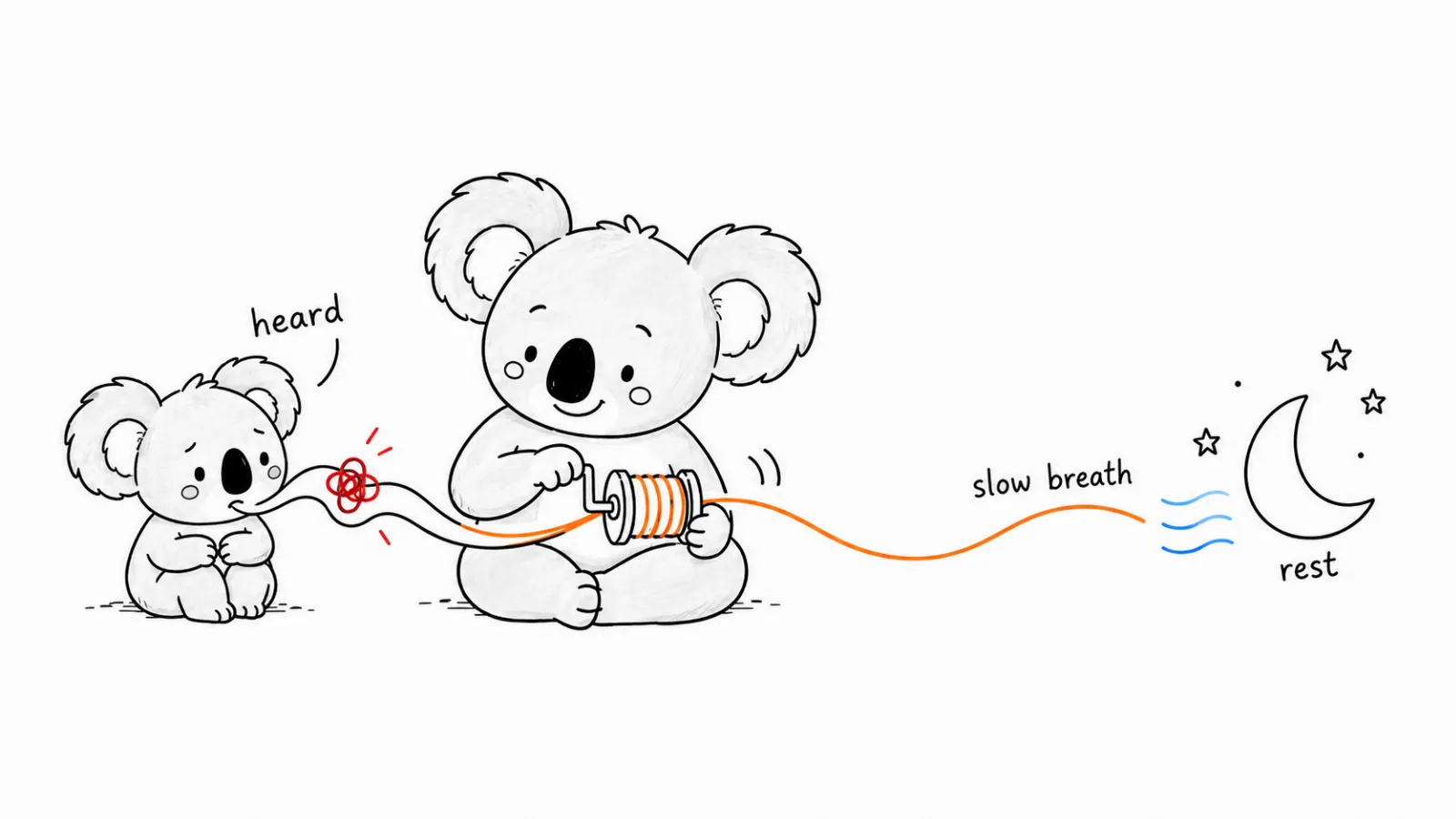
A calm audio story can also provide a gentle bridge away from the difficult event. If it suits the family’s routine, an ad-free bedtime app such as Gula Stories can offer calm narration, natural voice options, age-appropriate recommendations, and personalised avatars. The story should function as a settling cue, not as a reward that depends on the child stopping their feelings.
Use a “tomorrow container”
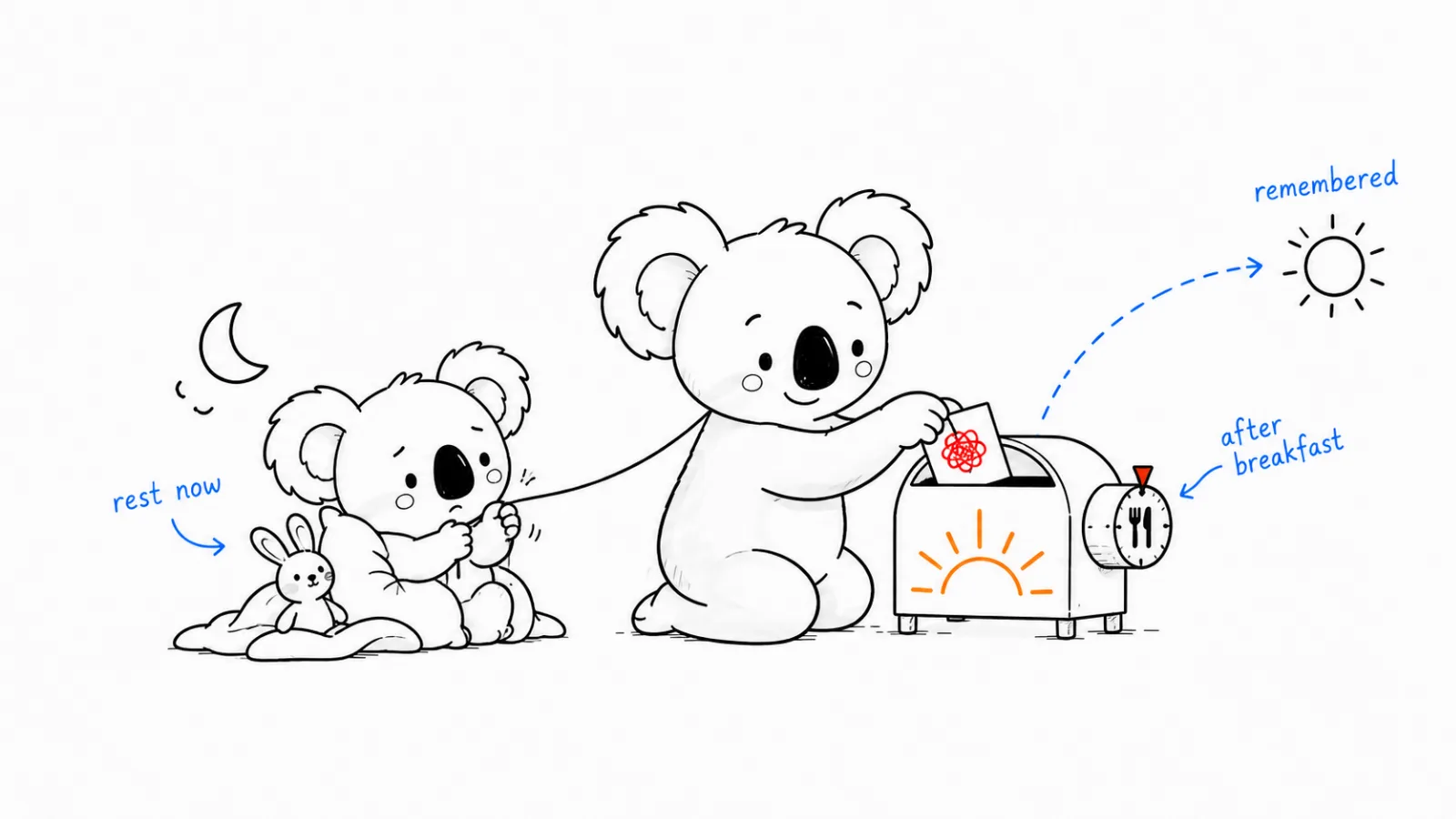
Some problems genuinely require action. A child may need help speaking to a teacher, repairing a friendship, or preparing for an unfamiliar event. Rather than developing the entire plan in bed, create a concrete reminder:
- ●Write one sentence on a note.
- ●Place a small object somewhere visible as a reminder.
- ●Add “talk about school” to the morning routine.
- ●Tell the child exactly when the conversation will continue.
For example:
“I’m writing ‘playground problem’ on this note. We will look at it after breakfast.”
This makes “we’ll talk tomorrow” more credible. The child does not have to keep the problem active in their mind to ensure the adult remembers it.
5. Adjust the Ritual to the Child’s Response
The same debrief will not suit every child or every difficult day. The method should be adjusted according to how the child responds, not forced because it worked previously.
Choose the right response
| What you notice | What may help | What to avoid |
|---|---|---|
| The child wants to share one event | Listen briefly, reflect the feeling, and close | Turning the conversation into an interview |
| The child says, “I don’t want to talk” | Respect the boundary and offer quiet connection | Demanding an explanation |
| The child repeats the same worry | Acknowledge it once, name tomorrow’s next step, and use the closing phrase | Providing repeated reassurance for a long period |
| The child becomes more distressed | Stop gathering details and return to safety and calming cues | Continuing because the story feels unfinished |
| The child suddenly reports a safety concern | Listen carefully and take the concern seriously | Delaying necessary action for the sake of bedtime |
| The child is highly energetic or silly | Reduce language and move through the normal routine calmly | Adding extra negotiation or stimulation |
When a child does not want to talk
Silence does not necessarily mean the ritual has failed. Some children need time before they can describe an experience. Others process difficult moments through play, drawing, movement, or conversation at another time of day.
You might say:
“You do not have to tell me now. I noticed today felt hard. I’m here if you want to talk tomorrow.”
Then continue with the usual bedtime sequence. This communicates availability without pressure.
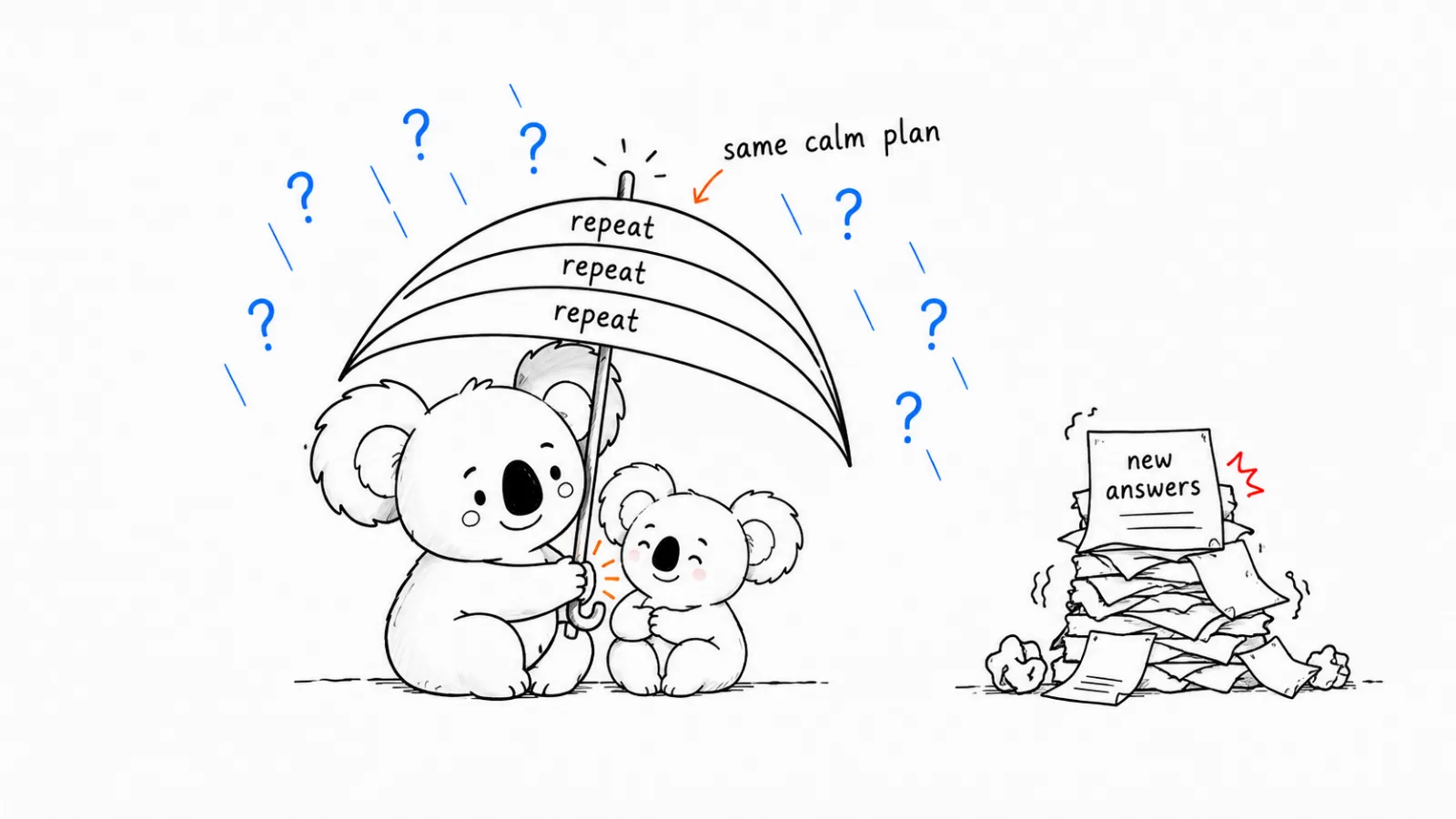
When the child keeps returning to the problem
Repeated questions such as “But what if it happens again?” may reflect a need for reassurance, a desire to delay separation, or both. You do not need to determine the exact cause in the moment.
Offer one clear response:
“If it happens again, you can tell your teacher, and you can tell me. We have a plan. Now it is rest time.”
Then repeat the same message rather than inventing new reassurance each time. Calm repetition creates a firmer boundary than increasingly detailed answers.
When to move the conversation earlier
If bedtime discussions regularly become long or intense, introduce a brief “check-in time” before the bedtime routine begins. This might happen during bath time, after dinner, or while tidying toys.
Ask one or two consistent questions:
- ●“What felt good today?”
- ●“Was there a hard part you want me to know about?”
- ●“Is anything still sitting heavily with you?”
The bedtime ritual can then refer back to that conversation: “We talked about the hard part earlier. I remember it, and we can continue tomorrow.”
6. FAQ
How long should a bedtime debrief last?
Keep it brief enough that the child remains connected to the normal bedtime rhythm. For many families, a few minutes is sufficient. The goal is not to process every detail but to acknowledge one difficult experience, communicate support, and close the day.
If the child becomes more activated as the conversation continues, shift to a familiar calming activity. Longer problem-solving can happen when the child and parent are rested.
Should I ask my child to name something good that happened?
You can invite a positive memory, but do not use it to cancel the difficult one. “What was one okay or good moment?” may help some children broaden their view of the day. Others may experience the question as pressure to become cheerful.
Validate the hard moment first. If the child does not want to identify a positive experience, finish with safety and connection rather than insisting on gratitude.
What if my child reveals bullying or another serious concern at bedtime?
Stay calm, listen, and take the disclosure seriously. Avoid interrogating the child or making promises about exactly what will happen. Record the essential details after the conversation and follow the relevant safeguarding or school process.
If you believe the child may be in immediate danger, seek urgent local assistance. Serious disclosures should not be treated as ordinary bedtime resistance.
When should parents seek professional guidance?
Consider speaking with a GP, paediatrician, child health professional, or qualified mental health professional if distress persists, frequently disrupts sleep, affects everyday functioning, or is accompanied by significant changes in behaviour, appetite, school participation, or relationships.
Guidance from HealthyChildren.org, the NHS, and Raising Children Network can provide general information, but an individual professional can consider the child’s circumstances. Seek prompt help for safety concerns or statements about self-harm.
7. Conclusion
Helping kids process a hard day before sleep does not require a lengthy conversation or a perfect response. A useful bedtime debrief is short, calm, and bounded: notice the feeling, name one hard moment, offer support, and close the day.
The most important message is not that everything has been fixed. It is that the child has been heard, the adult will remember, and unresolved problems can wait until there is more time and energy to address them.
For the next difficult bedtime, try one simple script:
“That was a hard part of your day. I’m glad you told me. We can think about it again tomorrow. Right now, you are safe, and it is time to rest.”
Used consistently, this ritual can give difficult experiences a place without allowing them to take over the night.
Ready for calmer bedtimes?
Try Gula Stories free — 5 narrated bedtime stories, ad-free, for children ages 3-8.