
Giving Up the Dummy: Stories and Strategies
Giving up the dummy is usually easier with a clear, predictable plan than with repeated negotiation. Parents can choose
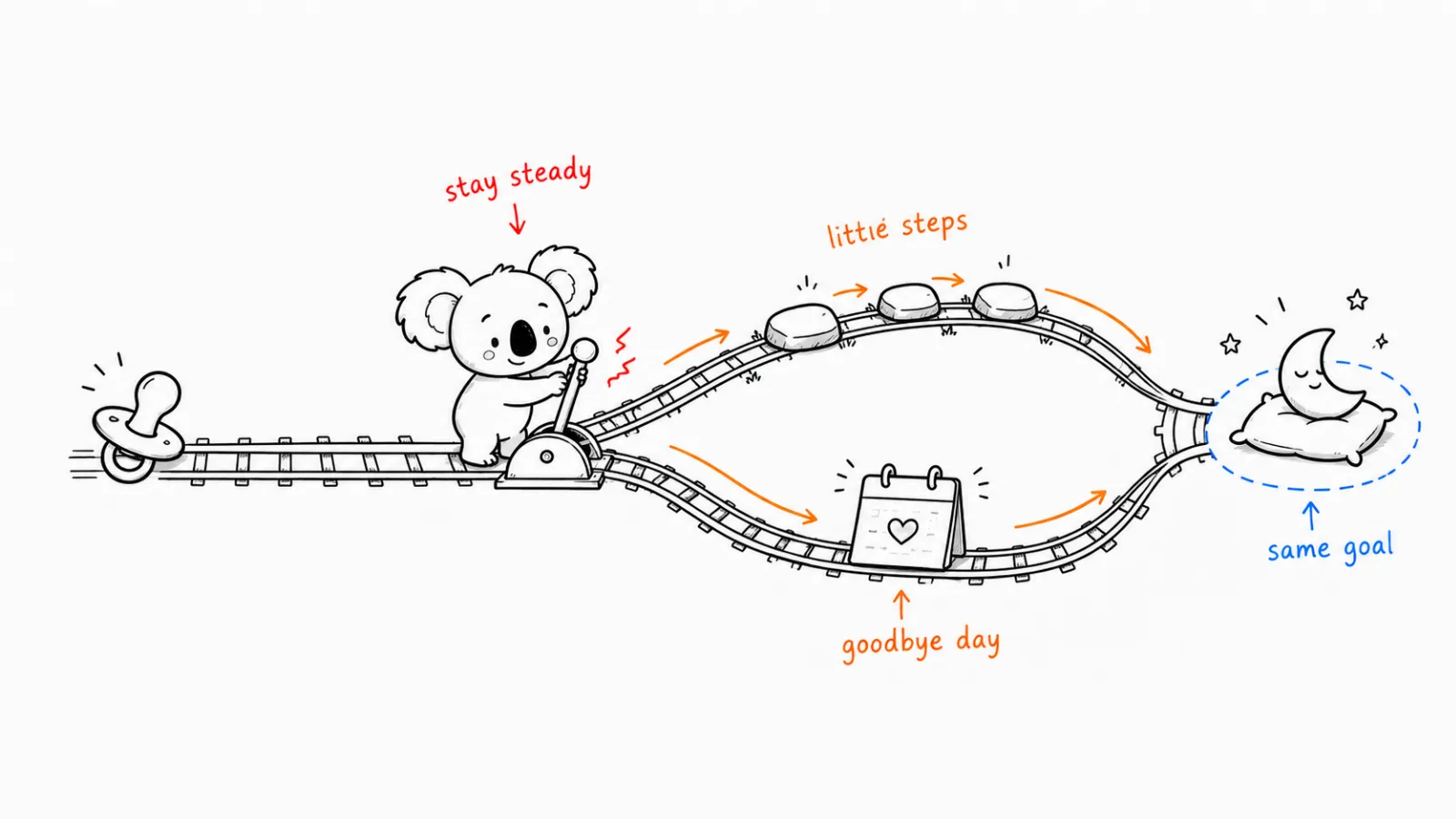
Key Takeaways
- ●Giving up the dummy is usually easier with a clear, predictable plan than with repeated negotiation.
- ●Parents can choose a gradual approach or a fixed goodbye date; consistency matters more than the method.
- ●A supportive story helps children rehearse the change and imagine other ways to feel safe.
- ●Replace the dummy’s comforting role with connection, familiar routines and a simple calming tool.
- ●Seek professional advice if you have concerns about your child’s teeth, speech, breathing or sleep.
Giving up the dummy can feel like a major change because it is often more than a habit: it may be part of how a child settles, manages strong feelings or moves between activities. A gentle plan acknowledges that attachment while setting a calm, firm boundary.
The most practical approach is to choose a method, explain it in simple language and introduce replacement comforts before the dummy disappears. Stories can support the process by making the change familiar rather than sudden or frightening.
Choose a Gradual or Fixed-Date Plan
There is no single method that suits every family. Consider your child’s temperament, how often the dummy is used and whether any major changes—such as moving house, starting childcare or welcoming a sibling—are already happening.
| Approach | How it works | Often suits children who… | Watch for |
|---|---|---|---|
| Gradual reduction | Limit the dummy to certain places or times before stopping completely | Use it frequently or cope better with small changes | Rules that keep changing can prolong the process |
| Fixed goodbye date | Choose a date, prepare for it and remove all dummies at once | Understand simple timelines and respond well to clear boundaries | The first few bedtimes may require more support |
| Child-led ceremony | Mark the goodbye with a box, note or small family ritual | Enjoy imaginative play and symbolic occasions | Avoid suggesting the dummy has been taken without permission |
A gradual plan might look like this:
- ●Keep the dummy at home rather than taking it on outings.
- ●Use it only in the bedroom.
- ●Restrict it to the settling period.
- ●Introduce a replacement comfort.
- ●Choose a final goodbye date.
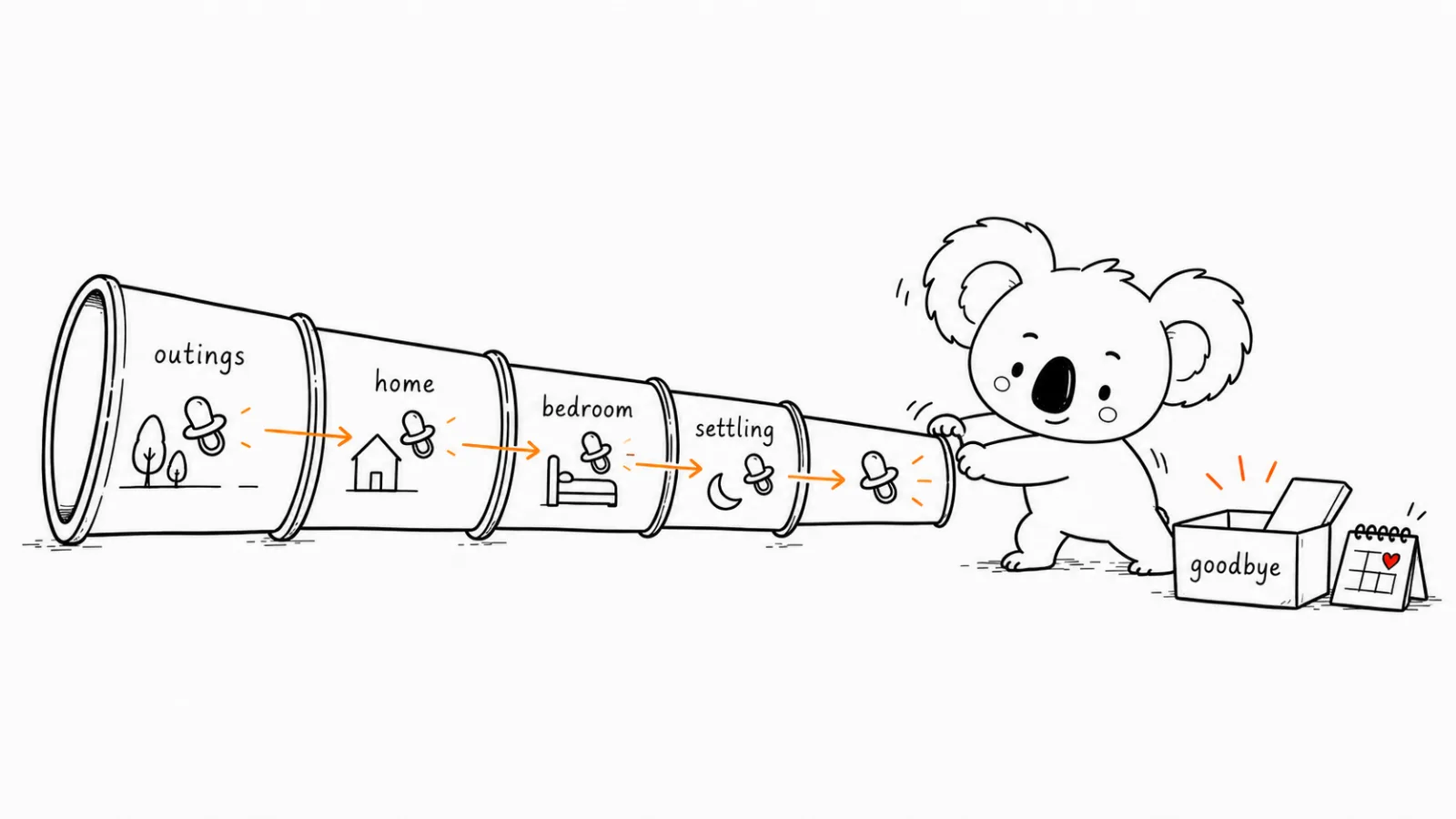
If you use a fixed date, keep the countdown short enough to remain meaningful. You might say, “On Saturday, we will put the dummies in the goodbye box. I will stay close while you learn to sleep without them.”
Avoid cutting or damaging a dummy. A damaged teat may become unsafe. Once the final day arrives, remove the remaining dummies so that neither parent nor child is repeatedly tempted to restart the routine.
Prepare the Child, the Routine and the Response
Preparation should focus on what will happen instead of warning your child about what they are losing. Use short, concrete explanations and repeat the same message.
For example:
“Your dummy has helped you feel calm. Soon we will say goodbye to it. At bedtime, you can hold Rabbit, choose a story and cuddle with me.”
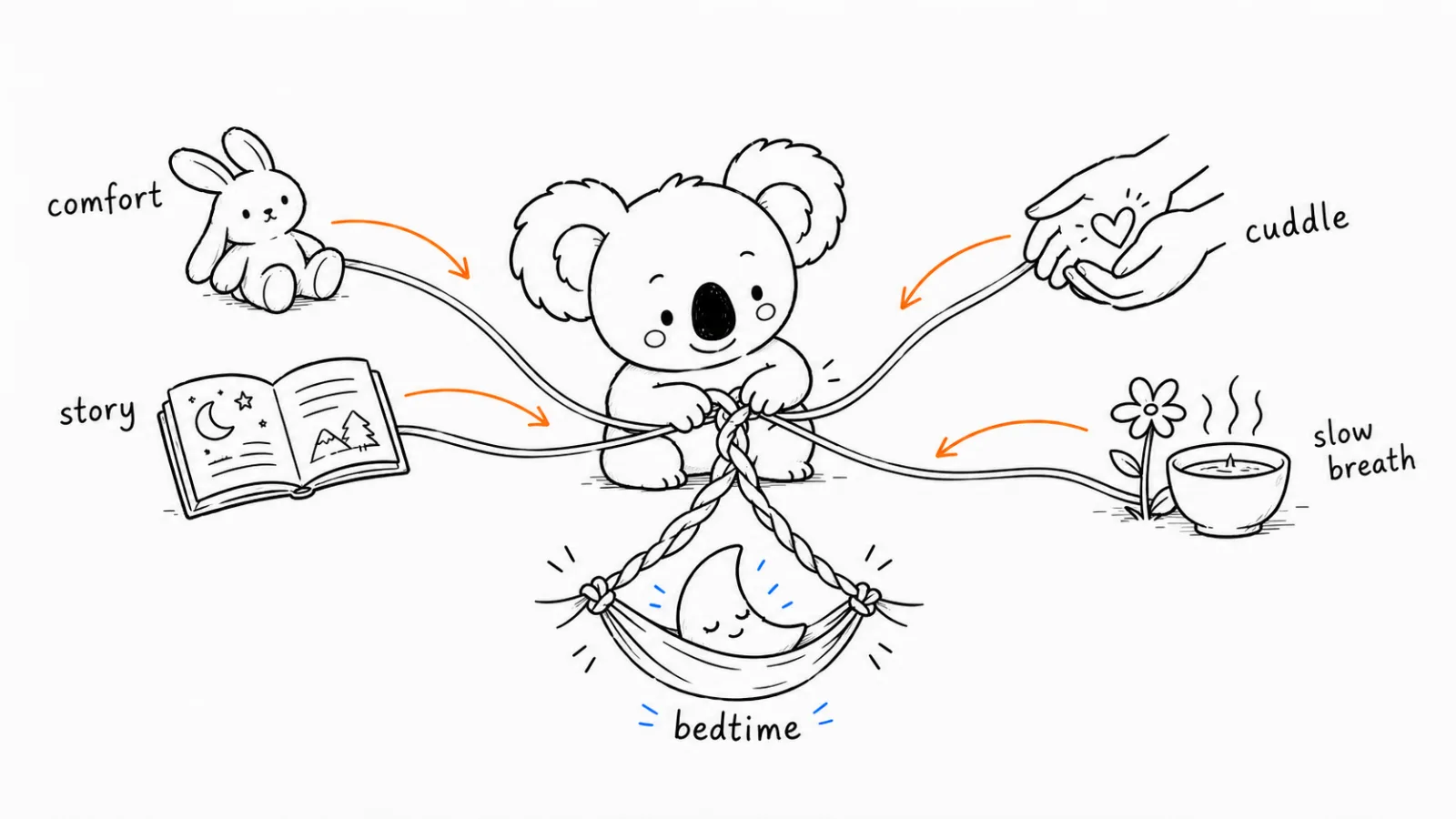
Introduce the new routine before removing the dummy. A replacement should meet at least part of the same need, whether that is sucking, sensory comfort, predictability or closeness. Depending on the child, useful alternatives may include:
- ●A familiar soft toy or comfort cloth that is appropriate for the child’s age
- ●A cuddle and the same short phrase each night
- ●Slow breathing, such as “smell the flower, cool the soup”
- ●A drink of water before brushing teeth
- ●Calm music or a gently narrated bedtime story
- ●A simple choice between two books or two pairs of pyjamas
Gula Stories may be useful when a family wants consistent, calm narration while establishing a new bedtime cue. The aim is not to replace one rigid dependency with another, but to create a predictable sequence containing several sources of comfort.
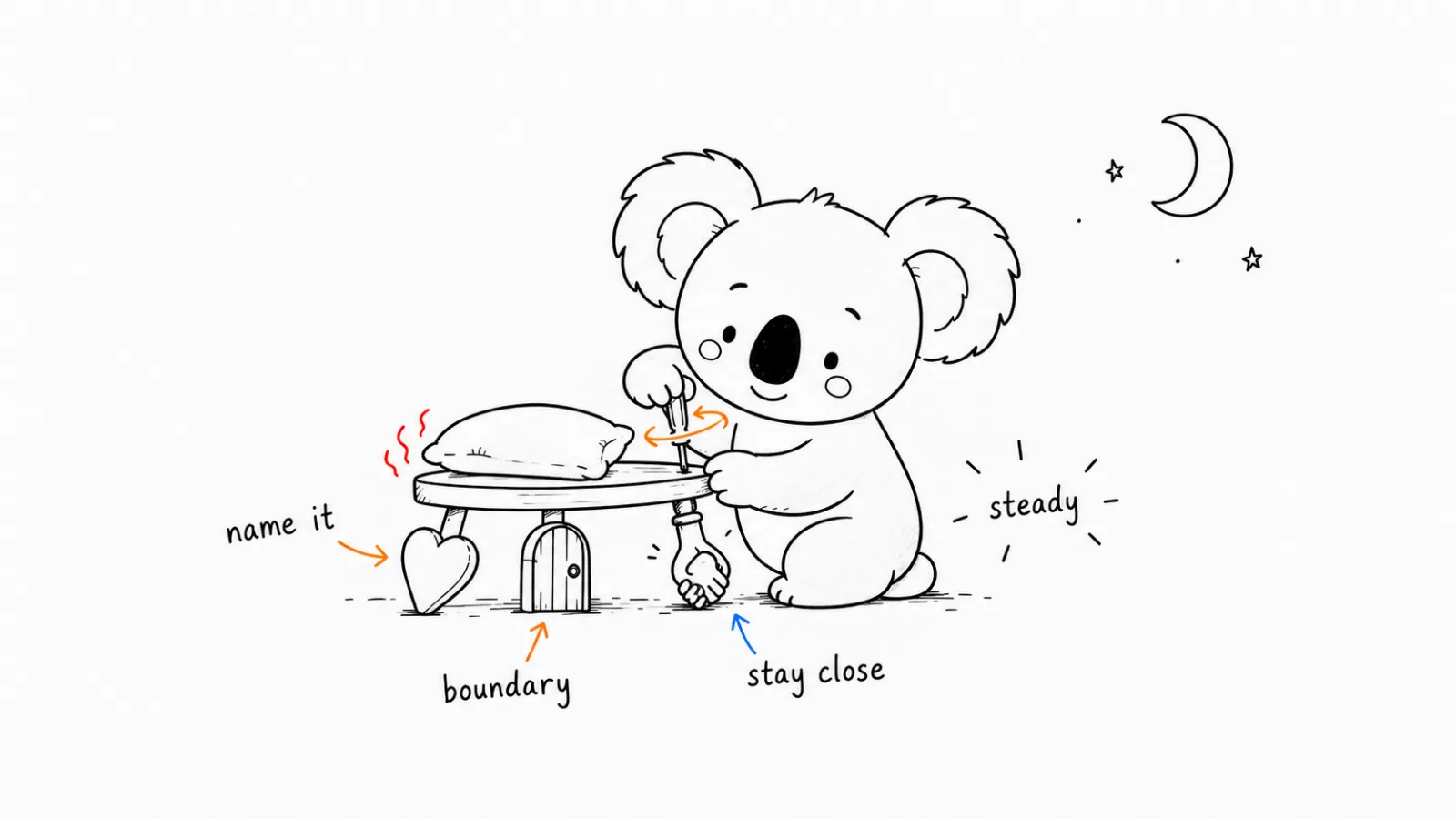
Decide in advance how you will respond when your child asks for the dummy. A brief answer is easier to understand than a new explanation every time:
“You miss your dummy. It is all right to feel upset. The dummy is gone, and I will help you settle.”
This response does three jobs: it names the feeling, maintains the boundary and offers connection. It does not require the child to agree.
Use Stories to Rehearse the Change
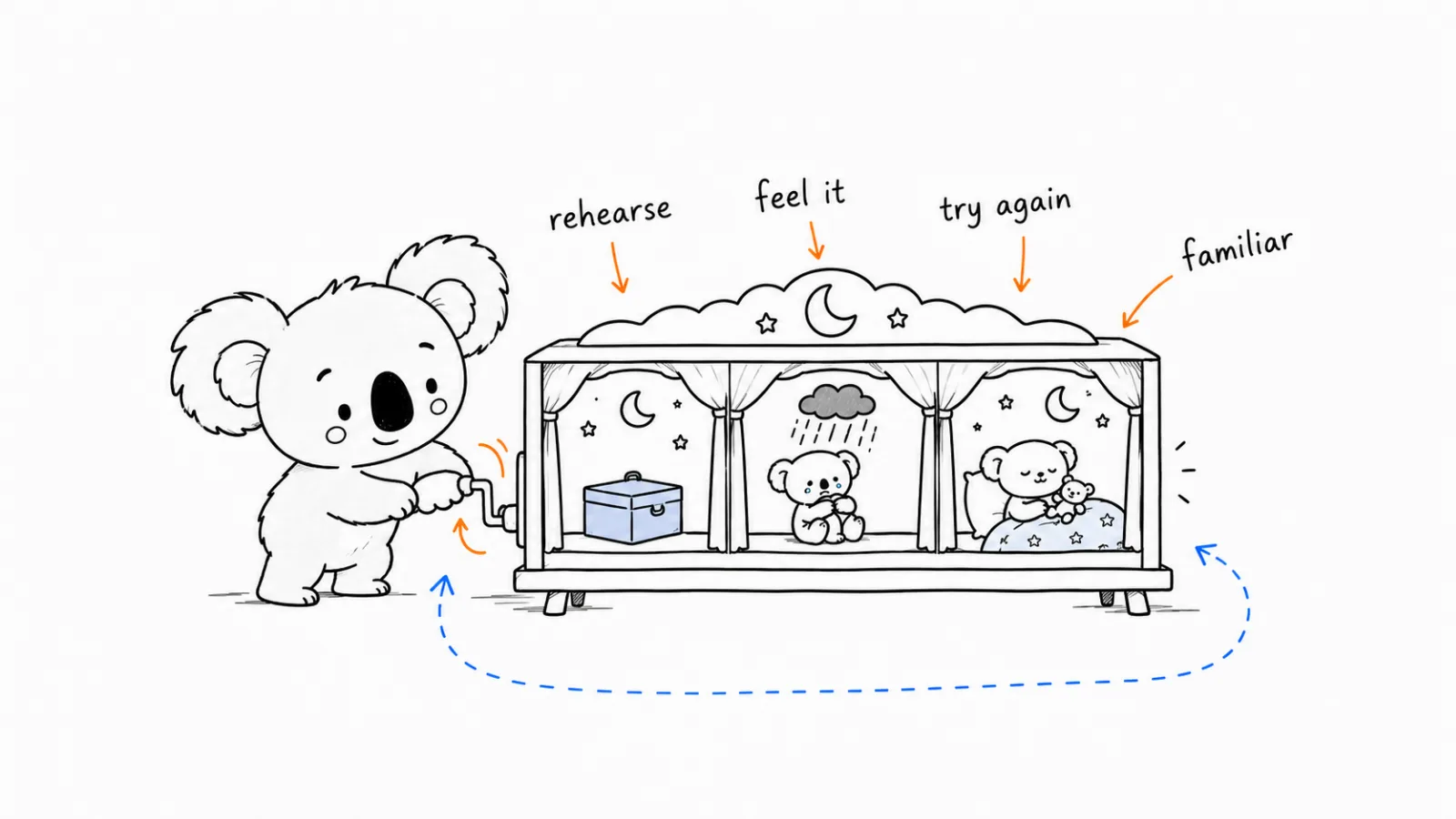
Young children often process change through repetition and pretend play. A story allows them to encounter the difficult moment safely, notice the character’s feelings and see what happens next.
The most helpful giving-up-the-dummy stories do not shame the character or describe the dummy as “babyish.” Instead, they show that missing it is normal and that comfort can come from more than one place.
A simple story structure is:
- ●Familiar beginning: A character uses a dummy to settle.
- ●Clear change: The character learns that a goodbye day is coming.
- ●Honest feeling: The character feels worried, cross or sad.
- ●Supported attempt: A trusted adult stays nearby while the character tries a new calming strategy.
- ●Realistic success: The character still misses the dummy but manages one bedtime without it.
- ●Growing confidence: The next attempt feels more familiar.
Here is a short story parents can adapt:
Milo and the Moonlight Box
Milo kept his dummy beside his pillow. It helped him feel quiet when the room became dark.
One morning, Dad showed Milo a small blue box. “On Friday, your dummy will rest in this box,” he said. “At bedtime, we will choose a story and listen for the quietest sound in the room.”
Milo did not like the idea. On Friday night, he asked for his dummy and began to cry.
Dad sat beside him. “You miss it,” he said. “I’m staying with you.”
Milo hugged his bear. They listened together. First Milo heard a car, then the wind, then Dad breathing slowly.
Sleep took longer than usual. But Milo did fall asleep.
The next morning, the blue box was still closed. Milo touched it and said, “I did one night.”
“You did,” Dad said. “And tonight, I’ll help you again.”
Read or tell the story for several days before the goodbye date. Invite your child to choose the character, comfort object or colour of the box. Keep the ending grounded: confidence can grow gradually even when the child remains unhappy about the change.
Expect Protest Without Abandoning the Plan
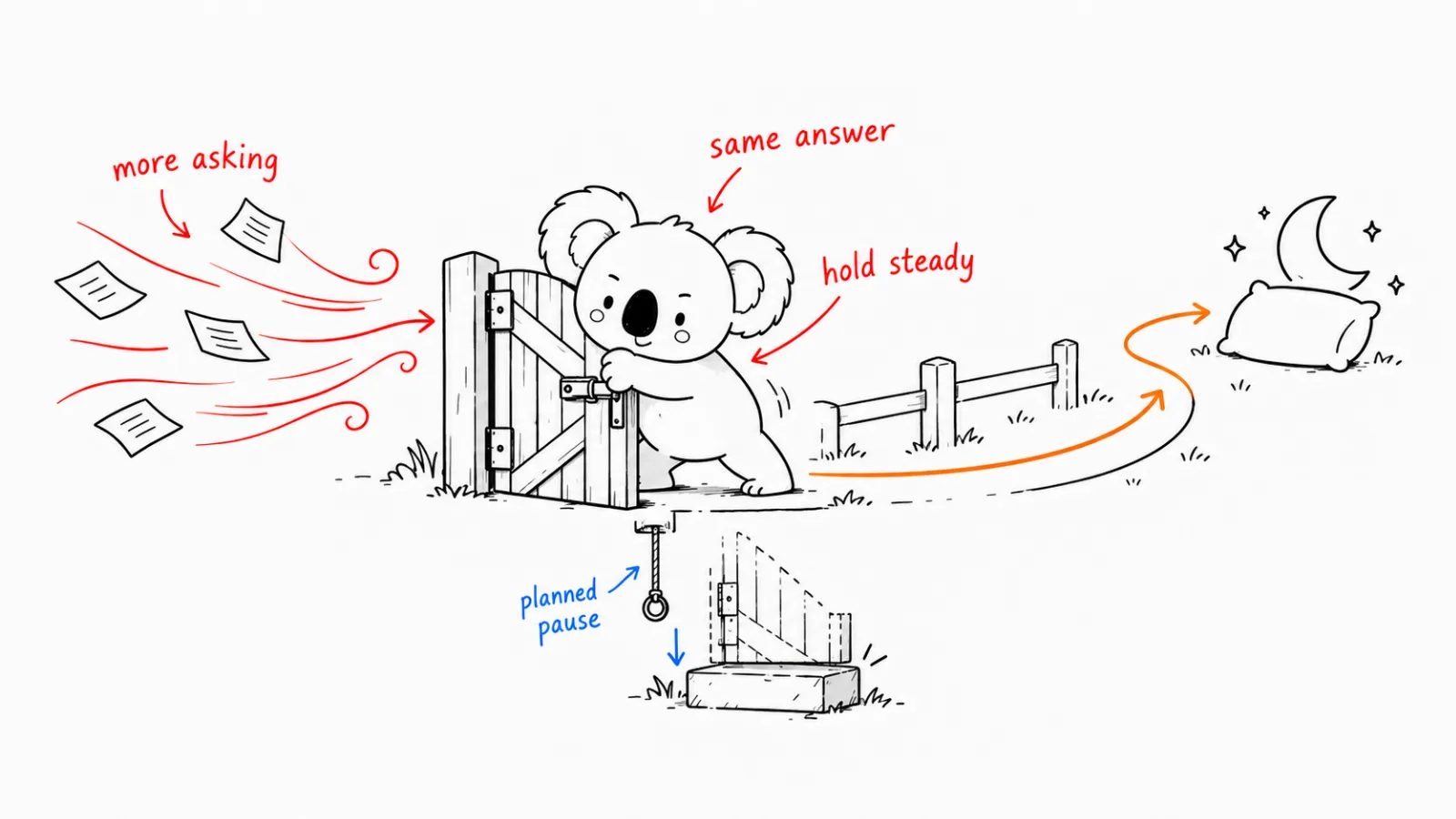
Crying, repeated requests and slower settling are understandable responses to a familiar comfort disappearing. These reactions do not necessarily mean the plan is harmful or has failed. They usually mean the child needs time and consistent support while learning a different way to settle.
During difficult moments:
- ●Stay nearby if your child needs connection.
- ●Use the same short response rather than debating.
- ●Keep the rest of the bedtime routine familiar.
- ●Offer limited choices that do not include returning the dummy.
- ●Notice effort the next morning: “That was hard, and you kept trying.”
Avoid threatening, teasing or comparing the child with siblings. Rewards can help some children, but keep them modest and focused on participation rather than emotional control. A sticker for following the bedtime routine is more achievable than a reward for not crying.
If you return the dummy after prolonged protest, the child may learn that asking for longer can change the boundary. If you decide the timing genuinely is not right, pause deliberately and choose a new plan rather than moving between stopping and restarting from one night to the next.
Recognised parenting and health organisations, including the NHS, HealthyChildren.org and Australia’s Raising Children Network, provide guidance about dummy use and children’s oral health. Advice may vary with age and individual circumstances. Speak with a dentist, GP, paediatrician, child health nurse or speech-language professional if you are concerned about dental development, speech, breathing, recurrent ear problems or persistent sleep difficulties.
FAQ
What if my child finds an old dummy after the goodbye day?
Respond calmly and follow the plan: “You found an old dummy. We have finished using dummies, so I will put it away.” Check bags, toy boxes, the car and relatives’ homes before the goodbye date to reduce surprise discoveries.
Should siblings give up their dummies at the same time?
Not necessarily. Children may have different needs and levels of understanding. Explain the difference plainly: “Your brother still uses one, but your body and your plan are different.” Avoid asking the older child to police the younger child’s use.
Can we keep one dummy for emergencies?
Keeping a visible backup can make the boundary harder to maintain. If a medical or travel situation worries you, decide beforehand what support you will offer instead and ask an appropriate health professional for advice when necessary.
What if my child starts sucking their thumb instead?
Do not punish or repeatedly draw attention to it. Offer the established comfort alternatives and observe whether the behaviour fades as the child adjusts. If thumb-sucking becomes frequent or you are concerned about its effect on teeth or skin, consult a dentist or health professional.
The Bottom Line
Giving up the dummy works best as a supported transition rather than a test of willpower. Choose a clear plan, practise new sources of comfort and use stories to show that difficult feelings can be handled safely. Progress may be noisy or uneven, but calm consistency gives the new routine time to become familiar.
Ready for calmer bedtimes?
Try Gula Stories free — 5 narrated bedtime stories, ad-free, for children ages 3-8.