
Getting Started With Gula Stories: A Parent's First-Night Guide
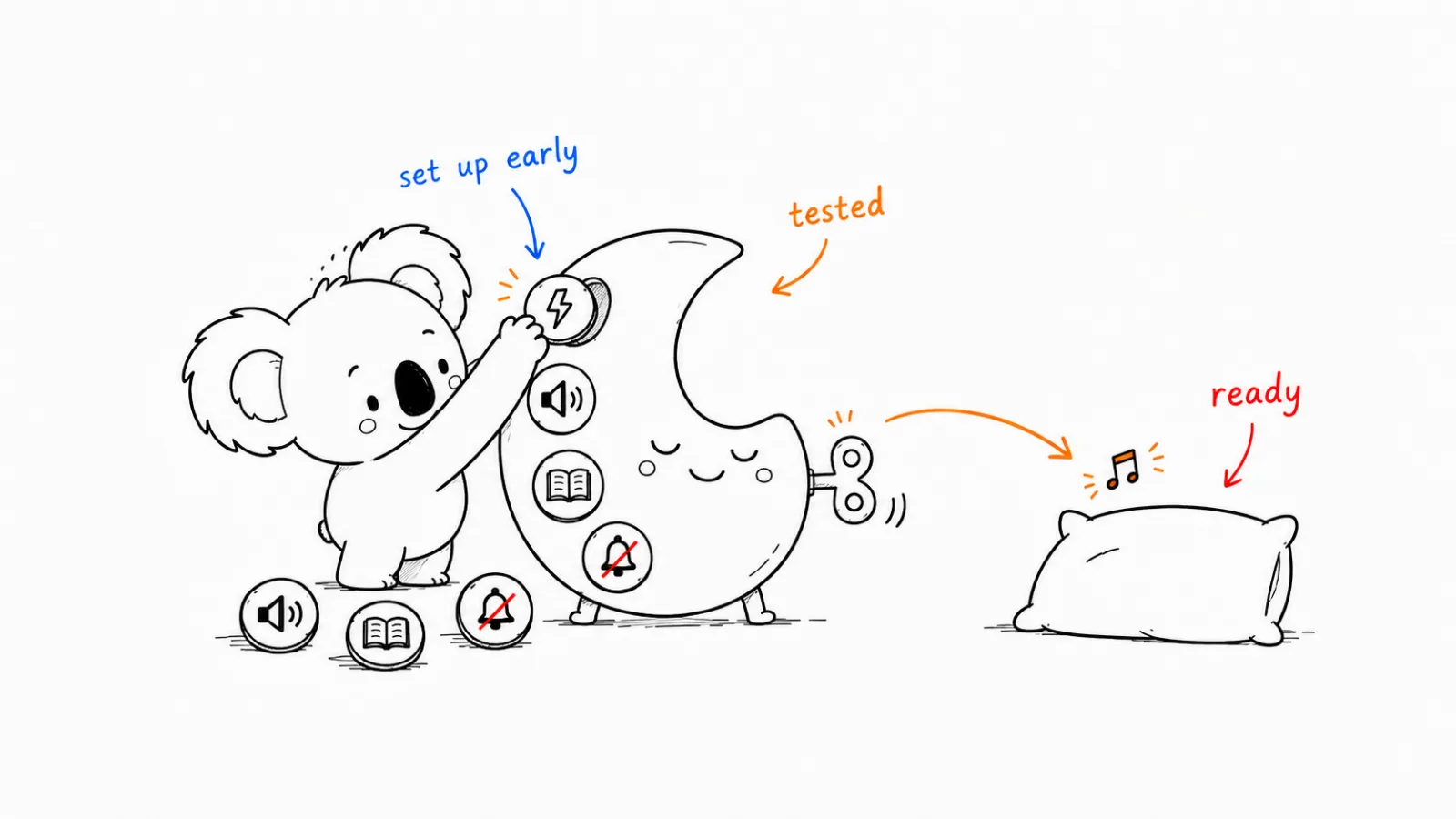
Set up the app before bedtime so account choices, audio checks, and avatar decisions do not delay sleep. Keep the first
Key Takeaways
- ●Set up the app before bedtime so account choices, audio checks, and avatar decisions do not delay sleep.
- ●Keep the first session simple: choose one suitable story, one natural voice, and a comfortable volume.
- ●Place the device away from your child’s face and reduce visual interaction once the story begins.
- ●Fit the app into your existing bedtime routine instead of creating a longer or more complicated one.
- ●Treat the first night as a gentle trial. Adjust the story length, timing, and narration on later evenings based on your child’s response.
1. Introduction
Trying a new bedtime app can create an unexpected problem: the tool intended to make the evening calmer can become one more exciting thing to explore. Children may want to test every voice, redesign an avatar, browse multiple stories, or keep tapping the screen when they would normally be settling down.
A successful first night therefore depends less on exploring every feature and more on making a few decisions in advance.
This Gula Stories app guide explains what parents should set up before the bedtime routine begins, how to choose an appropriate first story, where the device should go, and how to respond if a child becomes distracted or asks for more. The aim is not to replace familiar family rituals. It is to introduce audio storytelling in a way that supports the routine you already use.
Bedtime needs vary between families and between children. A two-year-old who wants a parent close by may respond differently from an eight-year-old who enjoys listening independently. Use the steps below as a practical starting point, then adapt them to your child’s age, preferences, and usual evening pattern.
2. Complete the Setup Before Bedtime
The most useful first-night preparation happens before your child is tired. Download the app, complete any required account steps, review the available settings, and test the audio earlier in the day.
This prevents technical decisions from interrupting the transition to sleep. It also gives parents time to understand how stories, recommendations, voices, and personalised features work without turning bedtime into a product demonstration.
A practical setup checklist
Complete these tasks at least a short while before the bedtime routine:
- ●Open the app and finish the basic account setup.
- ●Check that the device has enough battery for the session.
- ●Confirm that the internet connection works, if the selected content requires it.
- ●Review any available age or content preferences.
- ●Listen briefly to the narration through the speaker or headphones you plan to use.
- ●Set a starting volume while the room is quiet.
- ●Choose a story in advance, or create a shortlist of no more than two options.
- ●Decide where the device will remain during playback.
- ●Turn off unrelated notifications where possible.
- ●Reduce the screen brightness if the screen must remain visible.
Gula Stories is designed as a safe, ad-free bedtime story app with calm narration, multiple natural voices, age-appropriate recommendations, and personalised avatars. On the first night, however, it is usually better to introduce only the features needed for that evening. An avatar may help a child feel connected to the experience, but extended customisation is better completed before the bedtime routine—or saved for another day.
Involve your child without opening too many choices
Giving children some control can encourage cooperation, but unlimited choice can keep them alert. Offer a small, clear decision:
“Would you like the animal story or the adventure story?”
This is easier to manage than asking, “What do you want to listen to?” while presenting a large catalogue.
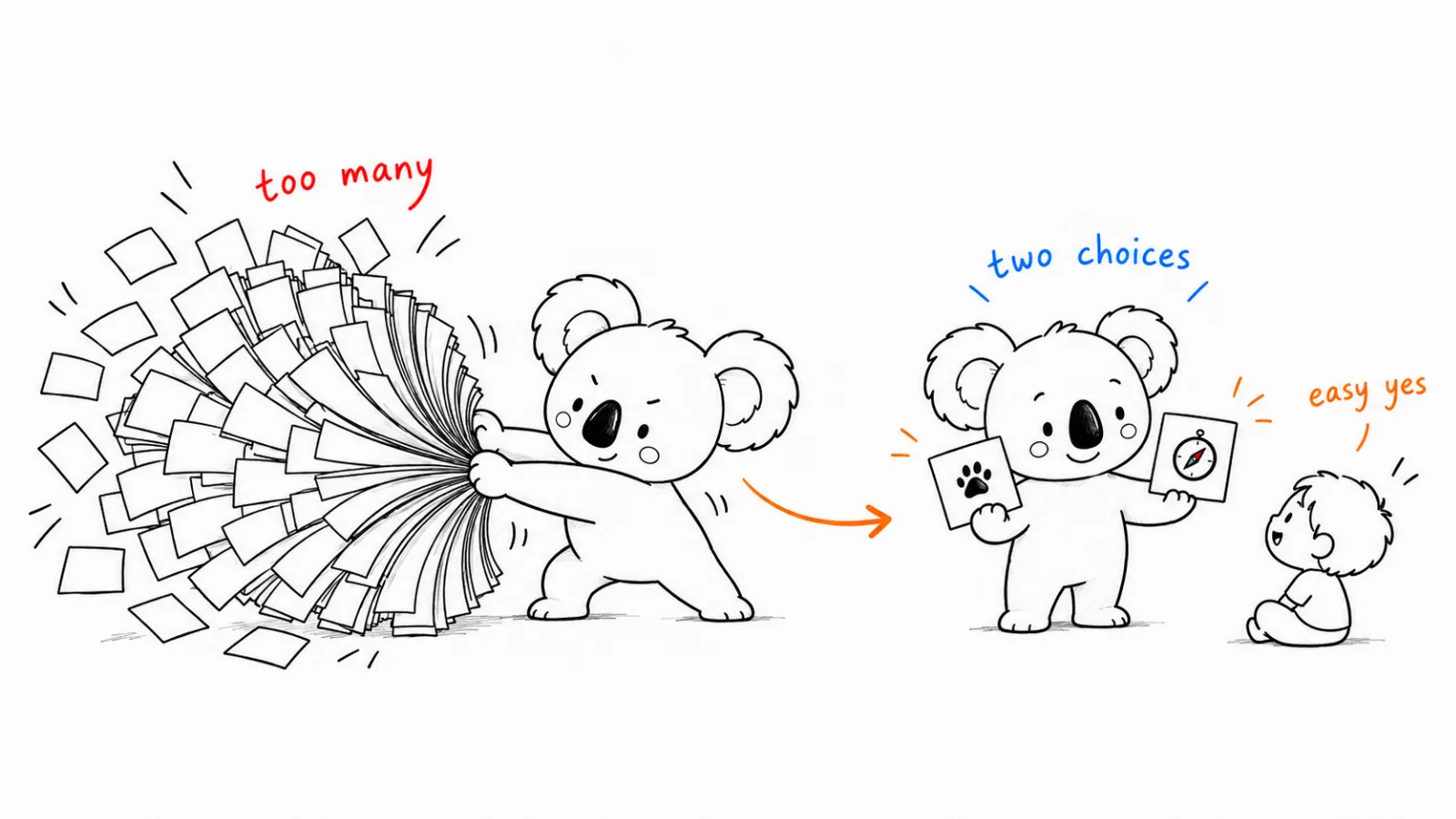
For younger children, a parent may simply choose the first story and introduce it as part of the routine. Older children can help select the story earlier in the evening, then return to it at bedtime without browsing again.
First-night boundary
Decide before playback whether the evening includes one story or a fixed listening period. State the boundary calmly before starting:
“We’ll listen to this story, then it will be time to rest.”
A clear expectation reduces negotiation at the end. If your child usually has two books, you might use one printed book and one audio story rather than adding an entirely new step.
3. Choose the First Story and Voice for Calm, Not Novelty
The first story should be easy to follow, appropriate for your child, and compatible with the amount of time available. Bedtime is rarely the ideal moment to test the most complex plot or the most stimulating character voice.
A familiar theme can be helpful because it reduces the mental effort needed to understand the story. A child who likes animals, gentle journeys, family situations, or reassuring routines may settle more readily with those subjects than with suspense, conflict, or rapid action.
Match the choice to the child
Use age recommendations as a filter, not as a guarantee. Children of the same age can have different language skills, sensitivities, and interests.
Consider:
- ●Ages 2-3: Look for simple language, repetition, recognisable situations, and a short narrative.
- ●Ages 4-5: Choose a clear plot with limited tension and an easy-to-understand ending.
- ●Ages 6-8: A longer or more detailed story may work, but avoid introducing an unfinished multi-part narrative if stopping will cause frustration.
Preview the description and, when practical, listen to a small portion yourself. Check for anything your child may find worrying, including separation, darkness, loud sound effects, threatening characters, or unresolved danger.
Select one voice
Multiple natural voices can be useful for finding narration your child enjoys, but comparing them during bedtime can become an activity in itself. Choose one voice before the routine begins and keep it for the full story.
If the first voice does not suit your child, make a note and test another one the following day. Changing voices repeatedly during the story can break attention and encourage more screen interaction.
Use a comfortable volume
The narration should be easy to hear without dominating the room. Start lower than ordinary daytime media volume and increase it only if your child cannot understand the words.
The correct level depends on the room, device, speaker, and distance from the bed. Avoid placing a loud speaker close to a child’s head. If headphones are used, supervise volume and fit carefully; many families may find a device speaker more convenient for shared bedtime listening.
4. Place the App Inside the Existing Bedtime Routine
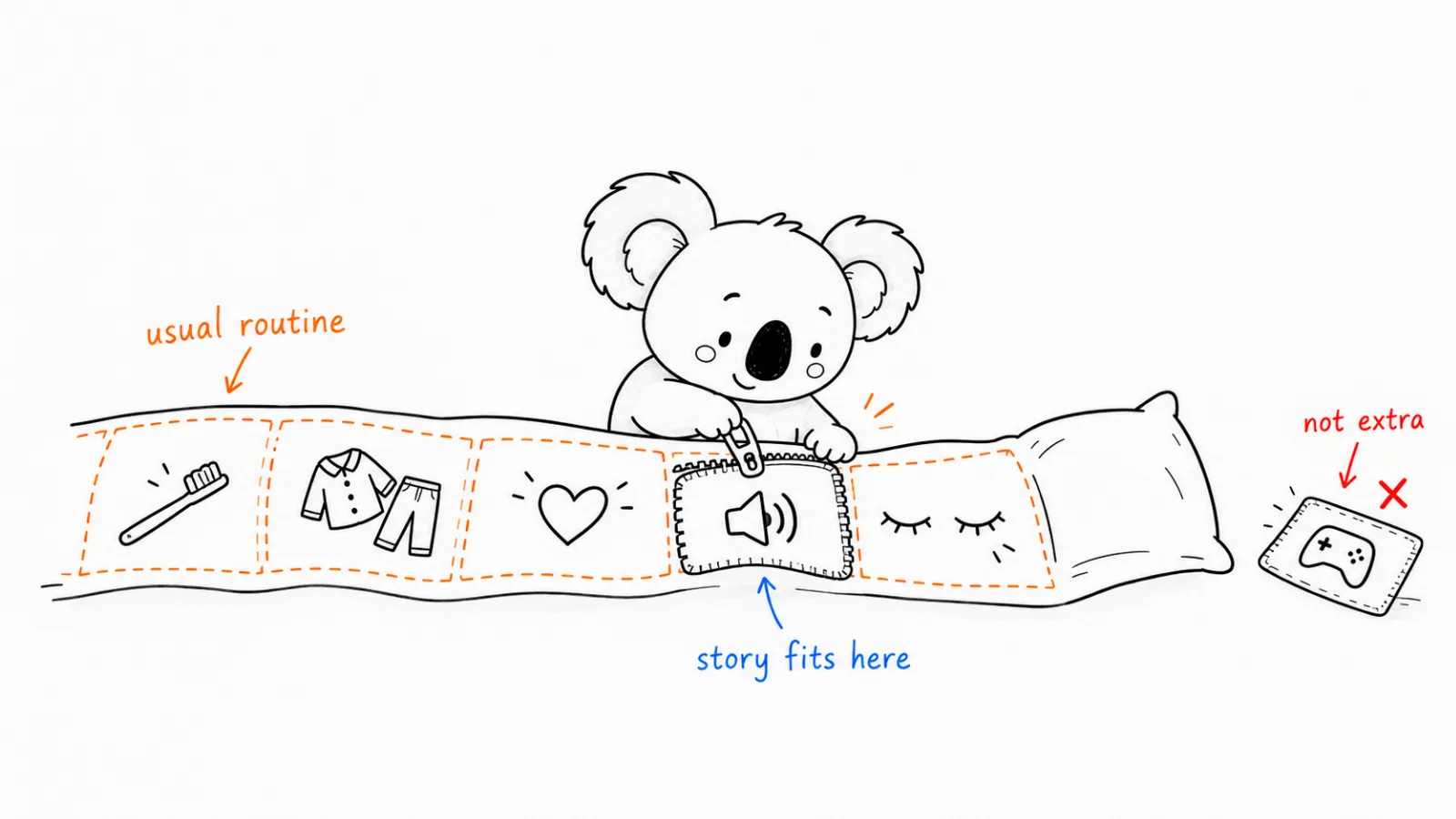
An audio story works best when it has a defined position in a familiar sequence. It should become a cue that the evening is slowing down, not a new entertainment period added after bedtime has already ended.
A simple routine might look like this:
- ●Finish active play.
- ●Complete washing, toilet, and toothbrushing.
- ●Put on sleepwear.
- ●Dim the room and move the device into its planned position.
- ●Share a cuddle or brief conversation.
- ●Start the selected story.
- ●Say goodnight and follow the family’s usual settling approach.
The exact order can differ. What matters is consistency and a clear transition from active tasks to quiet listening.
Keep the parent-child connection
An app does not have to mean leaving immediately. On the first night, staying nearby can help your child understand the new routine. You might sit beside the bed for the opening minutes, listen together, and then follow your normal goodnight pattern.
For a younger child, occasional quiet reassurance may help:
“I’m here. Let’s listen to what happens next.”
Avoid turning the story into an ongoing quiz. Questions such as “What colour was the character?” or “What do you think will happen?” can be useful during daytime reading, but at bedtime they may make the experience more interactive than intended.
Manage the screen deliberately
The American Academy of Pediatrics, the UK National Health Service, and Australia’s Raising Children Network provide family guidance on children’s screen use and healthy bedtime routines. Their resources generally support calm, consistent evening habits and reducing stimulating screen exposure around bedtime.
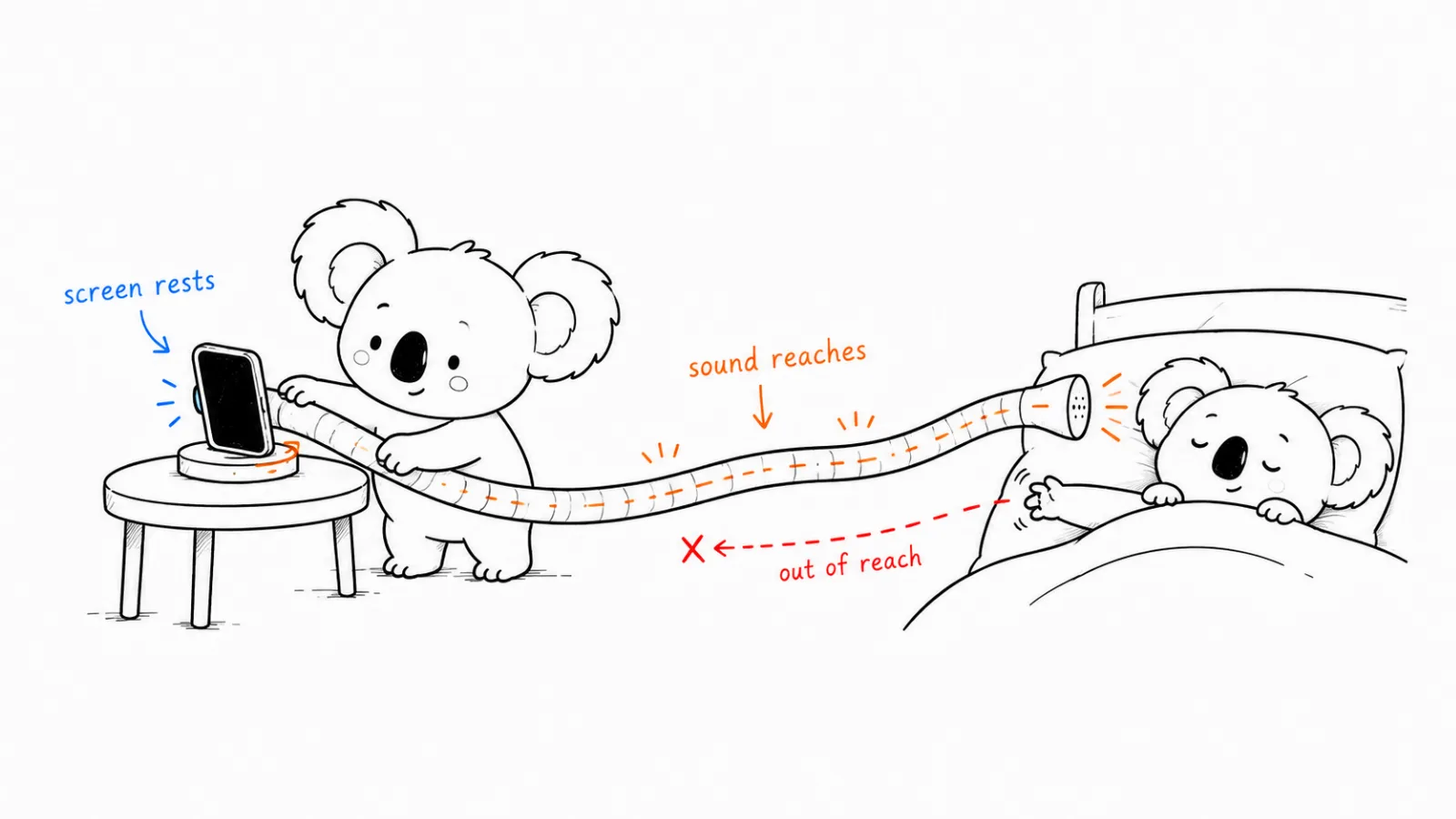
An audio-first approach can help limit visual engagement:
- ●Start the story, then place the device on a stable surface.
- ●Keep it out of the bed and beyond casual tapping distance.
- ●Turn the screen away from the child if playback continues.
- ●Lower brightness and avoid browsing after lights-out.
- ●Use the device only for the planned story during this part of the routine.
If your child keeps watching or touching the screen, move it farther away and narrate the boundary simply: “The screen is resting while we listen.”
Persistent sleep difficulties, distress at bedtime, loud snoring, breathing concerns, or significant daytime tiredness deserve professional attention. Speak with your child’s doctor or another qualified health professional rather than relying on a story app to address an ongoing health concern.
5. First-Night Plan and Troubleshooting Guide
The first session is an experiment, not a test that parents or children can fail. Observe what happens and change one variable at a time on the next evening.
Extractable first-night setup plan
| Stage | Parent action | Why it matters | Keep it simple by |
|---|---|---|---|
| Earlier in the day | Complete setup and test playback | Prevents technical delays when the child is tired | Exploring only essential settings |
| Before the routine | Select one story and one voice | Reduces stimulating choices | Offering no more than two story options |
| At story time | Use a low, clear volume | Supports comfortable listening | Testing volume from the child’s actual bed |
| During playback | Put the device out of reach | Limits tapping and visual distraction | Turning the screen away |
| At the end | Follow the usual goodnight boundary | Connects the story to the established routine | Avoiding catalogue browsing or extra setup |
| Next day | Ask what the child liked | Supports thoughtful adjustments | Changing only the story, voice, timing, or placement |
Common first-night situations
Your child wants to explore every feature
Acknowledge the interest without allowing open-ended exploration:
“There is more to see tomorrow. Tonight we’re choosing our story.”
You can schedule a short daytime session for avatar changes or voice comparisons. This keeps curiosity from becoming a bedtime conflict.
Your child asks for another story
Return to the expectation set before playback. If you agreed to one story, keep that boundary unless there is a clear reason to change it.
A useful response is:
“That was tonight’s story. We can choose another one tomorrow.”
If the selected story was much shorter than expected, you can make a different plan for the next evening instead of immediately expanding the routine.
Your child becomes more alert
Stop and assess the likely cause. The story may be too exciting, the volume may be too high, or the device may be visually distracting. You can lower the volume, turn away the screen, or end the session and return to a familiar calming activity.
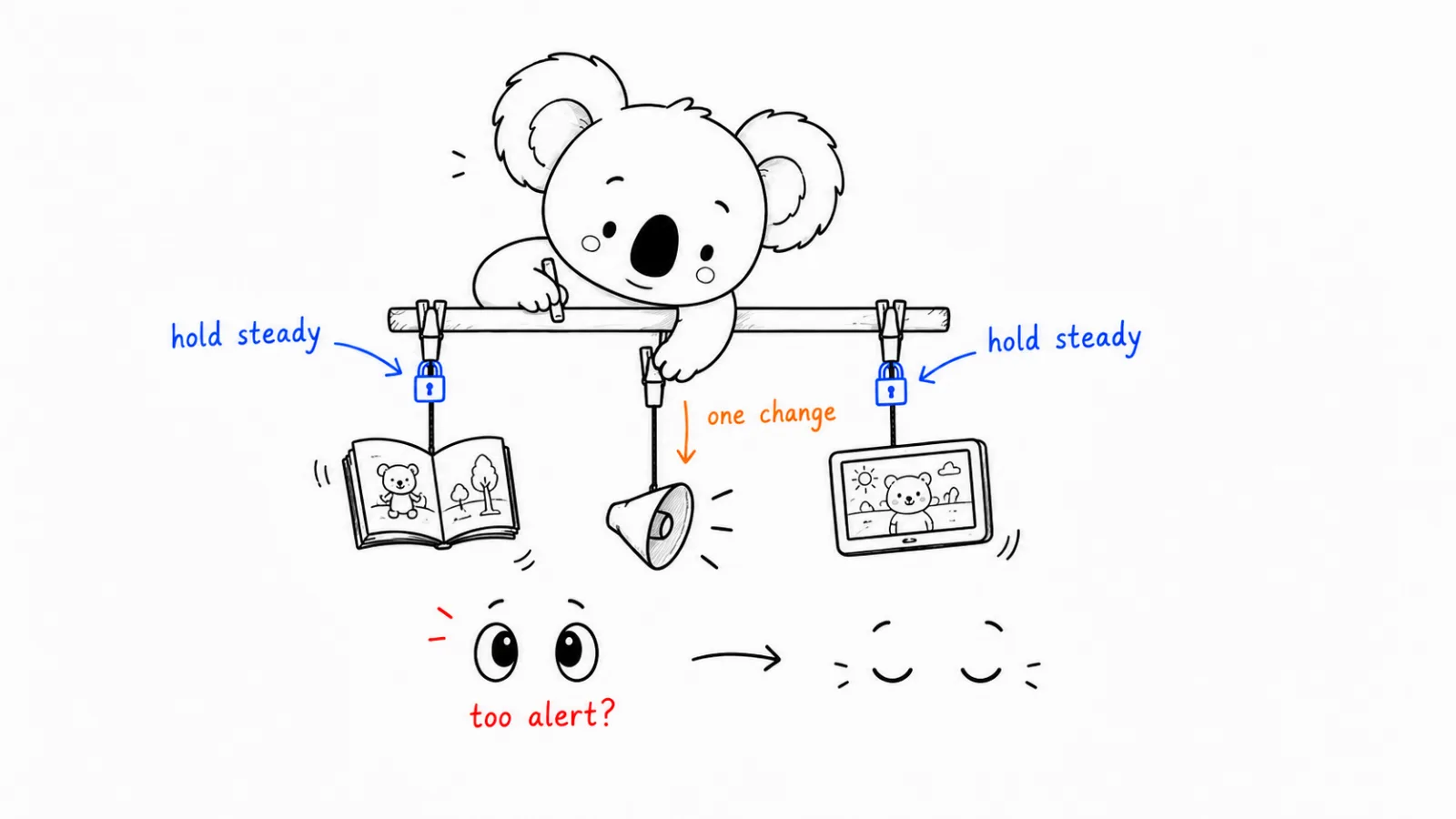
Not every child relaxes with audio at bedtime. If listening consistently increases alertness, consider using stories earlier in the evening rather than immediately before sleep.
Your child loses interest
A child does not need to follow every detail for the session to be worthwhile, but visible frustration or repeated requests to stop suggest the story is not a good match. End it without pressure.
For the next attempt, choose a shorter story, a more familiar topic, or a different narration voice. Avoid interpreting one unsuccessful selection as a rejection of all audio stories.
Siblings want different stories
For a shared room, alternate who chooses each evening or select a story suitable for the youngest listener. If age gaps or preferences make shared listening difficult, use the app at separate points in each child’s routine where practical.
6. FAQ
Q1. How long should the first Gula Stories session be?
There is no single duration that suits every child. For the first night, choose one story that fits comfortably inside the time already available for bedtime. Younger children or children new to audio stories may do better with a shorter, straightforward selection.
Watch your child’s response rather than aiming for a fixed number of minutes. Calm listening suggests the duration may be suitable; restlessness or repeated screen interaction may indicate that the session is too long, too stimulating, or scheduled too late.
Q2. Should a parent stay in the room while the story plays?
That depends on your child’s age, confidence, and established routine. Staying nearby on the first night can make the experience feel familiar and allows you to check the volume and content. You can then leave at your usual point in the routine.
There is no need to create a new separation challenge solely because an app is being introduced. Preserve the reassurance and boundaries your child already understands.
Q3. Should we use a personalised avatar on the first night?
You can, especially if it helps your child connect with the story experience. Set it up before bedtime so customisation does not delay settling. If choosing details makes your child excited or indecisive, save the avatar activity for daytime and begin with a standard story session.
Q4. What if the app does not help my child fall asleep?
A bedtime story app should be treated as part of a routine, not as a treatment or a guaranteed way to produce sleep. Children can take time to settle for many ordinary reasons, and their responses may vary from night to night.
Try adjusting the story, volume, timing, or device placement. If bedtime or sleep problems persist, affect daily life, or raise health concerns, consult a qualified health professional.
7. Conclusion
The most effective first night is intentionally uneventful. Set up the app before bedtime, choose one age-appropriate story and one voice, position the device away from the bed, and place listening inside the routine your child already knows.
Keep the boundary clear and the choices limited. Then review the experience the next day, when everyone is rested. A small adjustment—such as starting earlier, choosing a gentler topic, or reducing access to the screen—may be all that is needed.
The purpose of this Gula Stories app guide is not to prescribe one bedtime method. It is to help families introduce a new storytelling option calmly, safely, and without allowing setup decisions to take over the evening.
Ready for calmer bedtimes?
Try Gula Stories free — 5 narrated bedtime stories, ad-free, for children ages 3-8.