
Choosing the Right Narration Voice for Your Child
A soothing narration voice is usually calm, clear, predictable, and comfortable for your child—not necessarily the softe
Key Takeaways
- ●A soothing narration voice is usually calm, clear, predictable, and comfortable for your child—not necessarily the softest or deepest voice available.
- ●Your child’s response matters more than adult assumptions about which voice “should” be relaxing.
- ●Match the voice and delivery to your child’s age, preferences, sensory comfort, and bedtime routine.
- ●Keep volume, pacing, and emotional intensity consistent, especially as bedtime approaches.
- ●Test a small number of voices over several nights, then look for patterns rather than judging from one evening.
1. Introduction
Choosing the right narration voice for your child can seem like a minor decision until the wrong voice turns a quiet story into a source of distraction. One child may relax when listening to a warm, expressive storyteller, while another may find the same performance too exciting. Some children prefer a familiar accent. Others focus more on rhythm, volume, or character voices.
There is no single story narration voice kids universally find soothing. The most suitable choice is the voice that helps your child follow the story without becoming overstimulated, uneasy, or frustrated.
For parents of children aged two to eight, the practical goal is not to find a supposedly perfect voice. It is to identify a delivery style that feels safe and predictable, suits the child’s stage of development, and fits naturally into the family’s evening routine.
This guide explains what makes narration calming, how preferences may differ by age and temperament, which signs to observe, and how to compare voices without making bedtime feel like an experiment.
2. What Makes a Narration Voice Soothing?
The voice itself matters, but so does the way it is used. A naturally pleasant voice can still feel stimulating if the narration is fast, loud, or dramatically changeable.
For bedtime listening, soothing narration generally has five useful qualities:
- ●A steady pace: The narrator leaves enough time for the child to understand each sentence and imagine the scene.
- ●Clear pronunciation: Words are easy to follow without sounding exaggerated or overly formal.
- ●Controlled expression: Emotion supports the story without creating sudden peaks in excitement.
- ●Comfortable volume: The voice can be heard clearly but does not dominate the room.
- ●Predictability: The tone and pacing remain reasonably consistent from the beginning to the end.
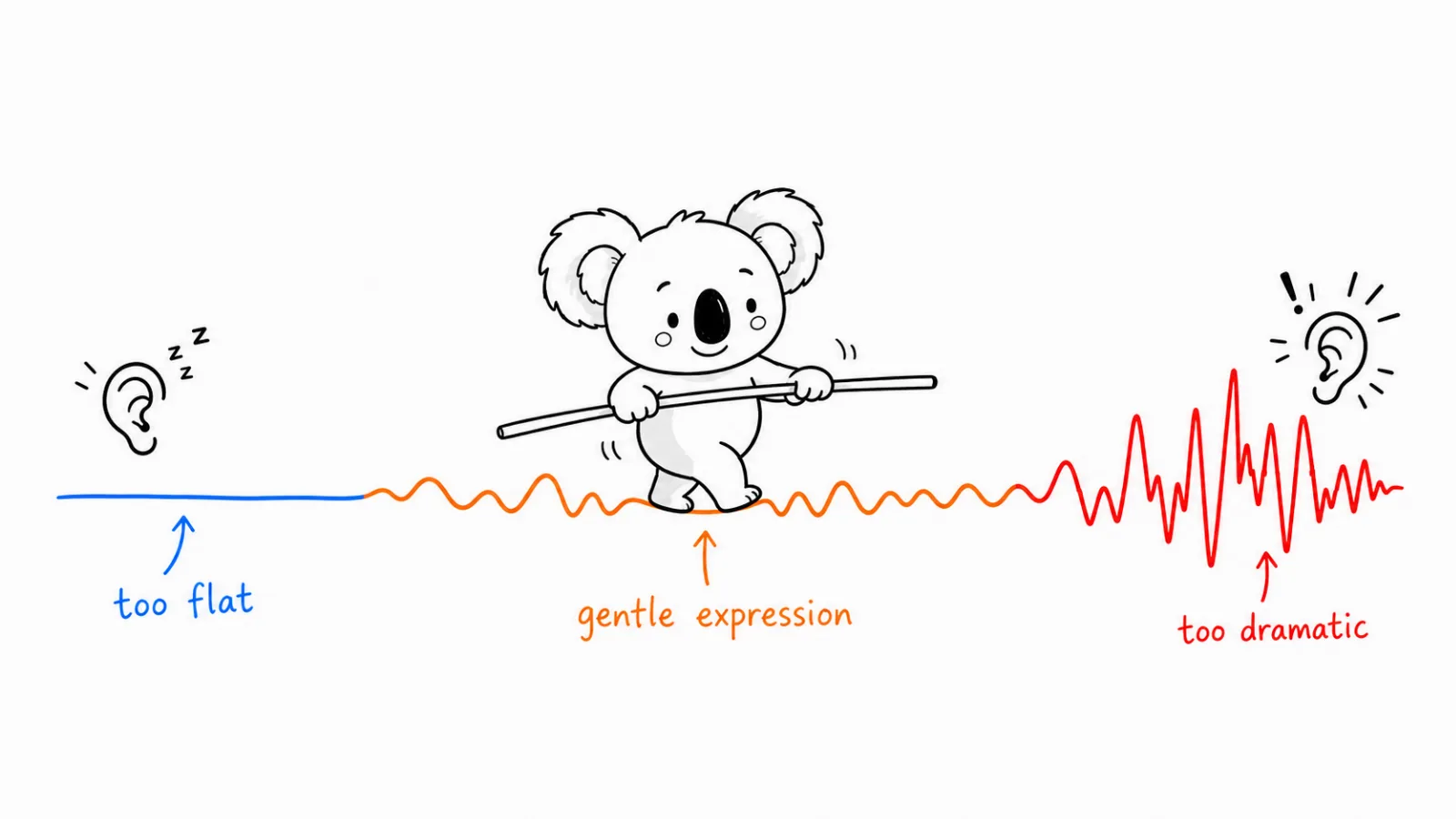
A calm voice does not need to be flat. In fact, completely emotionless narration may make it harder for some children to stay connected to the story. The better balance is gentle expression: enough variation to distinguish characters and moods, but not so much that the performance feels like an energetic show.
Pay attention to more than pitch
Parents sometimes assume that a deep voice will always be calming or that a higher voice will always sound lively. Pitch alone is not a reliable guide. A higher-pitched narrator can speak slowly and warmly, while a lower-pitched narrator can sound intense or theatrical.
Consider the full listening experience:
- ●Does the narrator rush through descriptive passages?
- ●Are character voices much louder than the main narration?
- ●Does the voice become sharp during moments of danger or surprise?
- ●Are pauses long enough for the child to process what happened?
- ●Does the delivery remain calm during the final part of the story?
For bedtime, the last question is especially important. A story may begin gently but become increasingly animated near its conclusion. Previewing the ending can help you avoid an unexpected burst of music, shouting, or suspense just as your child is settling.
3. Match the Voice to Your Child, Not a Stereotype
Children do not all relax in the same way. Voice preferences may reflect familiarity, personality, language experience, sensory sensitivity, or simple personal taste.
A child who loves lively pretend play may enjoy distinct character voices during the day but need a more restrained version at bedtime. A child who is cautious around unfamiliar sounds may prefer a narrator whose accent, rhythm, or speaking style resembles voices heard at home. Another child may enjoy an unfamiliar accent precisely because it signals that story time is beginning.
Gender is not a dependable shortcut either. Children may prefer any voice, and their choice can change across stories or stages of development. Rather than asking whether a male or female voice is more soothing, ask whether this particular narrator sounds comfortable, steady, and easy for your child to understand.
Typical considerations by age
Age can help narrow the options, although individual preferences remain more important.
| Age range | What may help | What may be distracting |
|---|---|---|
| 2–3 years | Warm tone, slower pace, short sentences, clear repetition | Rapid speech, abrupt sound changes, complex character voices |
| 4–5 years | Gentle expression, clear character differences, familiar language patterns | Loud dramatic scenes, exaggerated villains, frequent shifts in tone |
| 6–8 years | Natural delivery, slightly richer emotion, consistent pacing through longer stories | Performances that feel babyish, overly theatrical, or difficult to follow |
These are practical starting points, not developmental rules. A six-year-old may love simple repetitive narration, while a three-year-old may comfortably follow several character voices.
Let your child participate
Children often provide useful feedback when questions are concrete. Instead of asking, “Which voice is best?” try:
- ●“Did this voice feel quiet or busy?”
- ●“Was it easy to understand?”
- ●“Did any part sound too loud?”
- ●“Would you like this storyteller again tomorrow?”
- ●“Did the character voices feel funny, cosy, or a little scary?”
For younger children, behaviour may communicate more than words. Notice whether your child settles into one position, follows the story calmly, repeatedly interrupts, asks to change the voice, or becomes more physically active.
4. Choose a Voice for the Moment and the Story
The right voice depends partly on when and why the child is listening. A narration style that works during an afternoon car journey may not suit the final minutes before sleep.
For bedtime
Choose the most consistent option available. A bedtime narrator should ideally use moderate or low emotional intensity, gentle transitions, and an unhurried pace. Character voices can still be present, but large jumps in volume or pitch may be distracting.
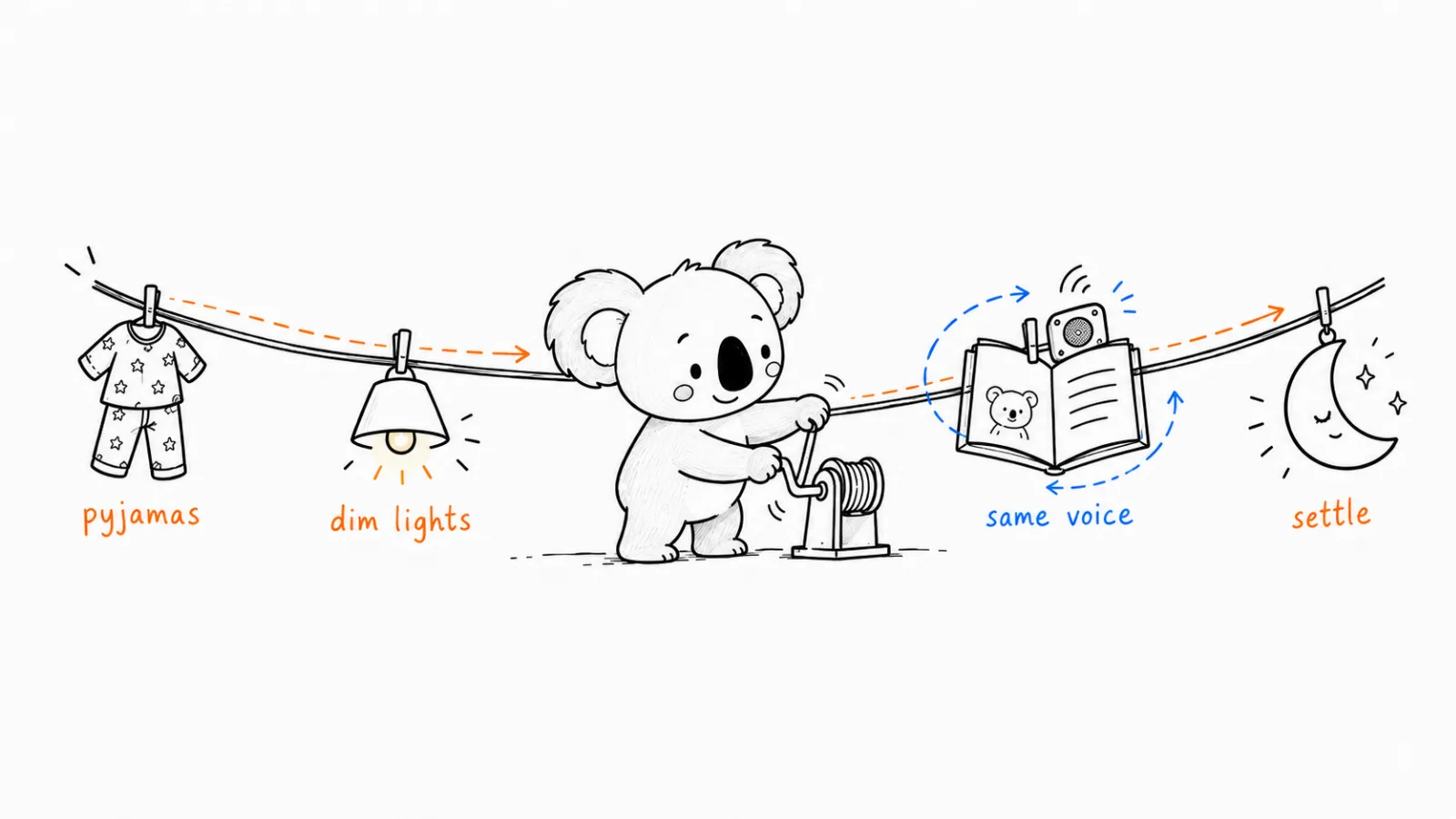
A familiar voice can also become part of the routine. Repeated cues—such as putting on pyjamas, dimming the lights, selecting a story, and hearing the same narrator—may help make bedtime feel more predictable. Recognised parenting resources such as HealthyChildren.org, the NHS, and Australia’s Raising Children Network commonly emphasise the value of calm, consistent bedtime routines. Narration can support that routine, but it should not be treated as a guaranteed sleep solution.
For daytime quiet time
A little more expression may be helpful when the aim is calm engagement rather than sleep. A narrator can use clearer character differences and a slightly brighter tone without overwhelming the story.
This may suit children who need a restful activity after school, during travel, or while recovering from a busy day.
For unfamiliar or emotionally sensitive stories
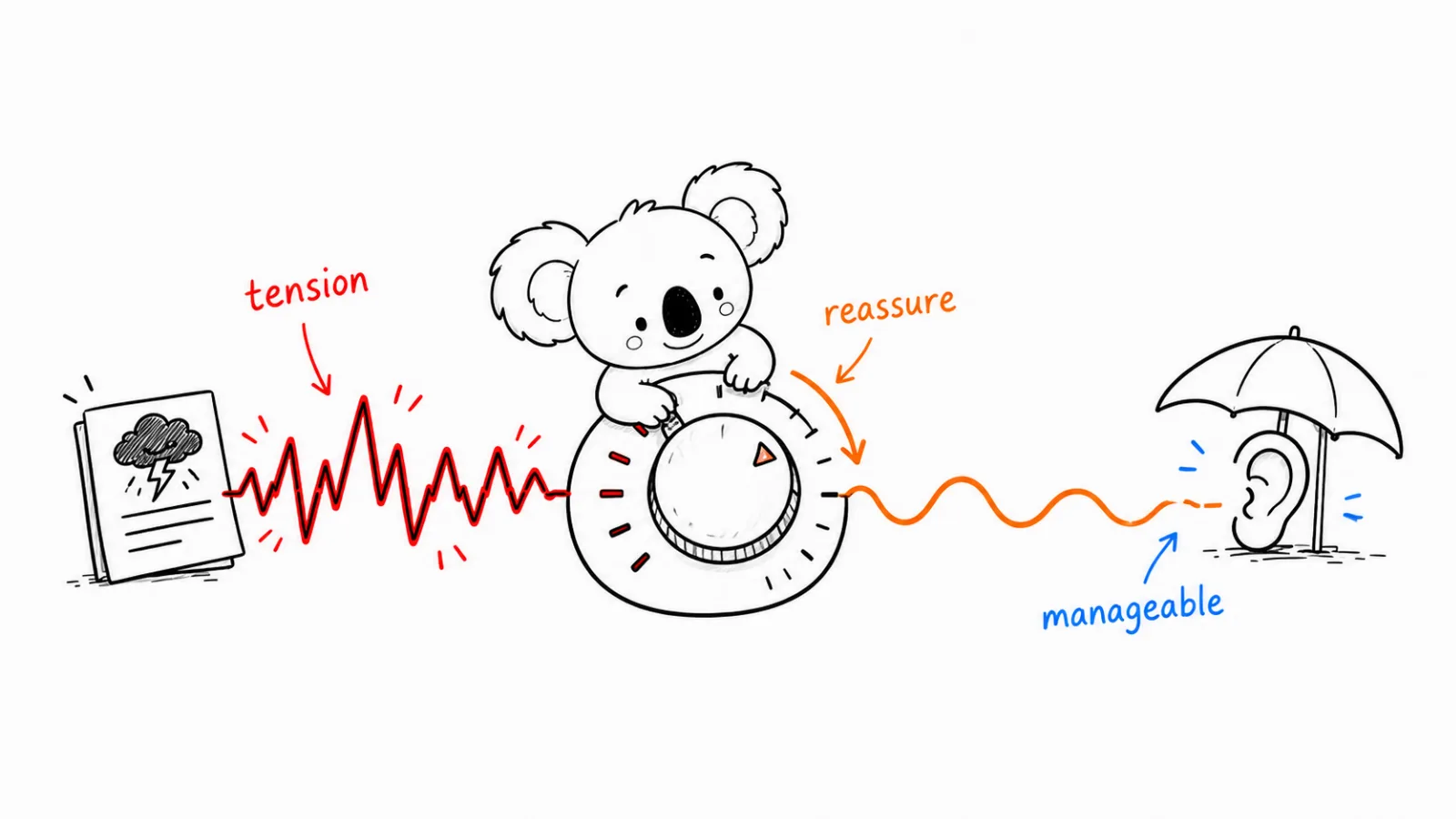
When a story includes separation, darkness, conflict, or a worried character, select a narrator who communicates reassurance without amplifying the tension. Preview the story if your child is sensitive to particular themes or sounds.
The narrator should help the child understand that something challenging is happening while keeping the emotional experience manageable. If the performance makes the frightening moment much more intense than the text requires, choose another voice or save the story for daytime.
For familiar favourites
Children sometimes tolerate or enjoy more expressive narration when they already know what will happen. Familiarity reduces uncertainty, and repeated listening allows them to focus on favourite words, characters, and sounds.
However, repetition is not evidence that a voice is soothing by itself. A child may request the same story because it is funny or exciting. Observe what happens after the story ends: are they calm and ready for the next part of the routine, or eager to continue playing?
5. A Practical Method for Comparing Narration Voices
Comparing too many voices at once can make the choice harder. A short, consistent trial gives you more useful information.
The three-voice test
Select no more than three voices that meet basic requirements:
- ●Clear enough for your child to understand
- ●Free from sudden or harsh volume changes
- ●Appropriate for the story’s mood
- ●Comfortable for the listening environment
- ●Natural rather than distracting
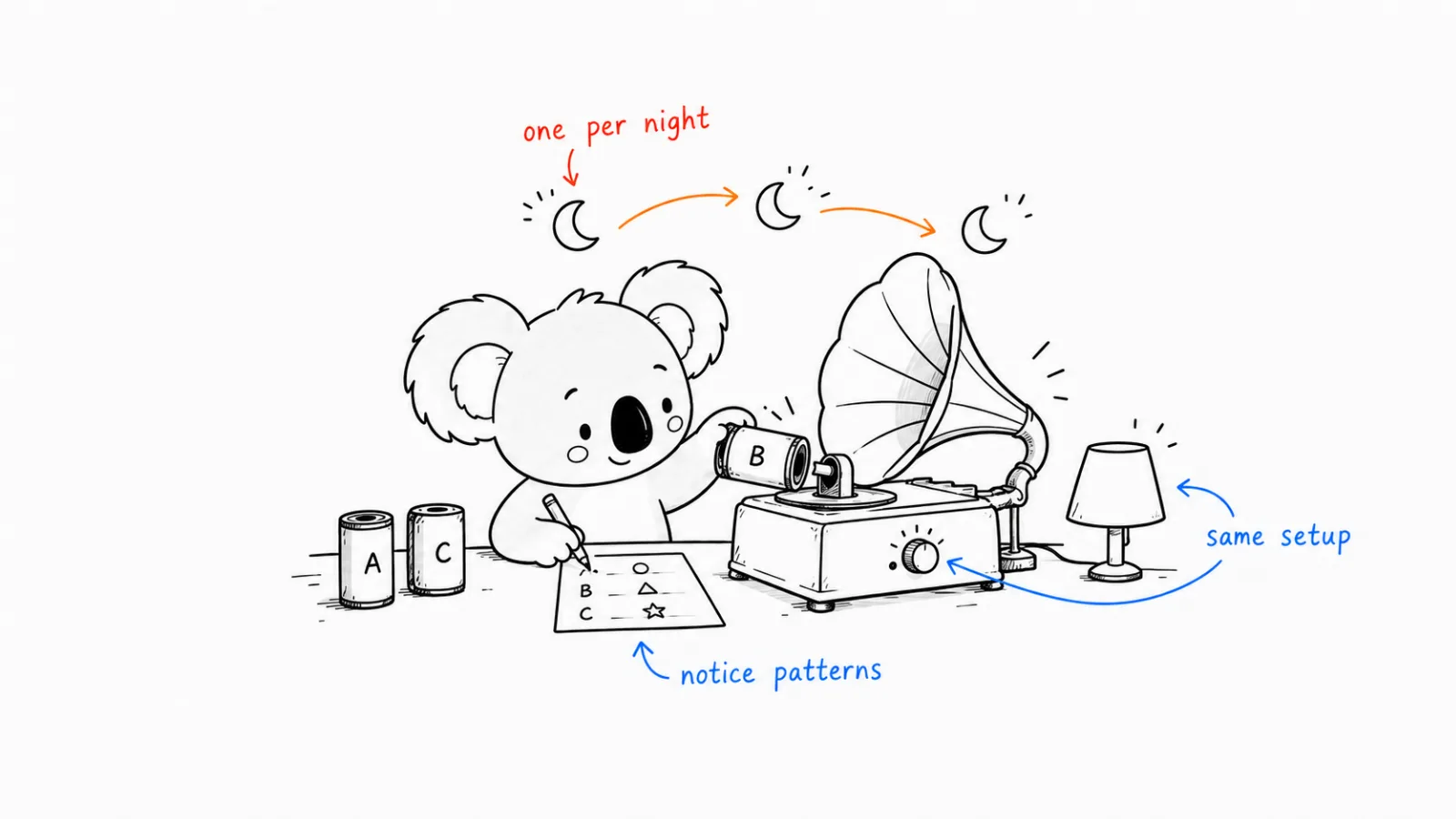
Use the same or a similarly calm story for each test. Try one voice per evening for several evenings, rather than switching repeatedly during a single session. Keep other conditions reasonably consistent, including device volume, room lighting, and the point in the routine when the story begins.
Then record a simple impression.
| Question | What to observe |
|---|---|
| Could the child understand the narrator? | Few requests to repeat or explain ordinary words |
| Did the voice hold attention calmly? | Listening without frequent unrelated interruptions |
| Was the delivery emotionally comfortable? | No visible distress or concern about the narrator’s tone |
| Did the voice fit the bedtime routine? | A smooth transition to the next quiet step |
| Did the child want to hear it again? | A clear preference that remains consistent over time |
No single sign proves that a voice is soothing. A child may interrupt because they are curious, restless, overtired, or interested in the story. Look for a pattern across several listening sessions.
Adjust the environment before rejecting the voice
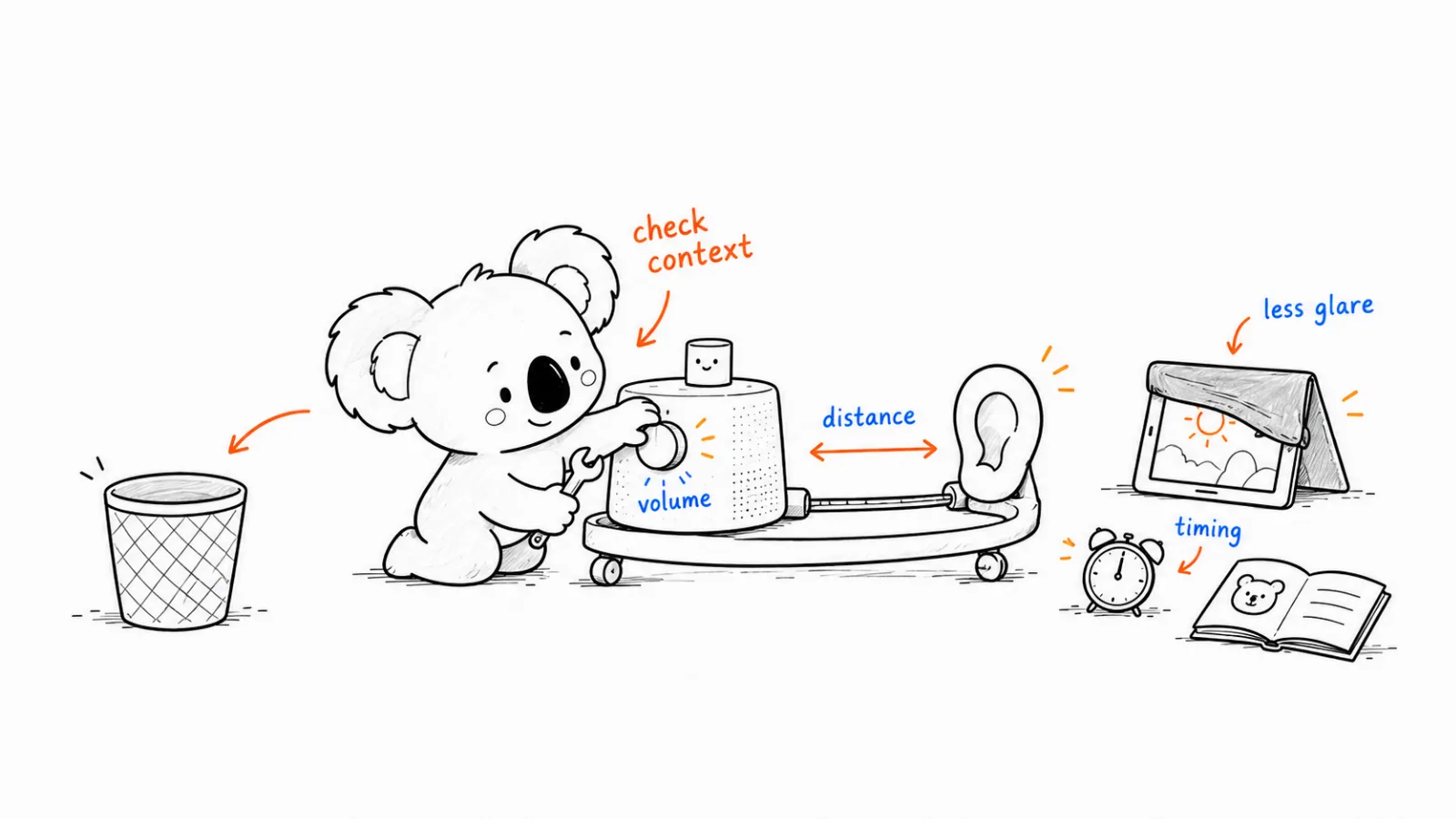
Sometimes the problem is not the narrator. Before changing voices, check:
- ●Volume: Reduce it slightly while keeping every word audible.
- ●Device position: Avoid placing the speaker directly beside the child’s head.
- ●Story selection: Choose a story with fewer surprises or dramatic scenes.
- ●Timing: Begin before the child becomes very tired or frustrated.
- ●Visual stimulation: If using a screen, consider audio-only listening or a display setting that reduces unnecessary brightness and movement.
An app with multiple natural voices can make comparison easier. For example, Gula Stories offers calm narration, age-appropriate recommendations, personalised avatars, and an ad-free environment. The useful feature in this context is choice: parents can select a voice based on the child’s response rather than relying on a single default narrator.
Quick decision block
Choose a narration voice that is clear, steady, gently expressive, and comfortable for your child. At bedtime, prioritise predictable pacing and controlled volume over dramatic performance. Test a few options under similar conditions, ask for simple feedback, and keep the voice that supports calm engagement most consistently.
6. Common Mistakes to Avoid
Choosing based only on adult preference
A voice that sounds polished or relaxing to a parent may not feel the same to a child. Adults and children may respond differently to accents, pacing, character voices, and emotional emphasis.
Parent preference still matters, especially when adults share the listening space. It simply should not replace observation of the child.
Mistaking boredom for calm
A child who becomes silent is not necessarily relaxed. They may have lost interest or stopped following the story. Calm engagement usually includes signs such as listening, responding appropriately, or remaining comfortably attentive.
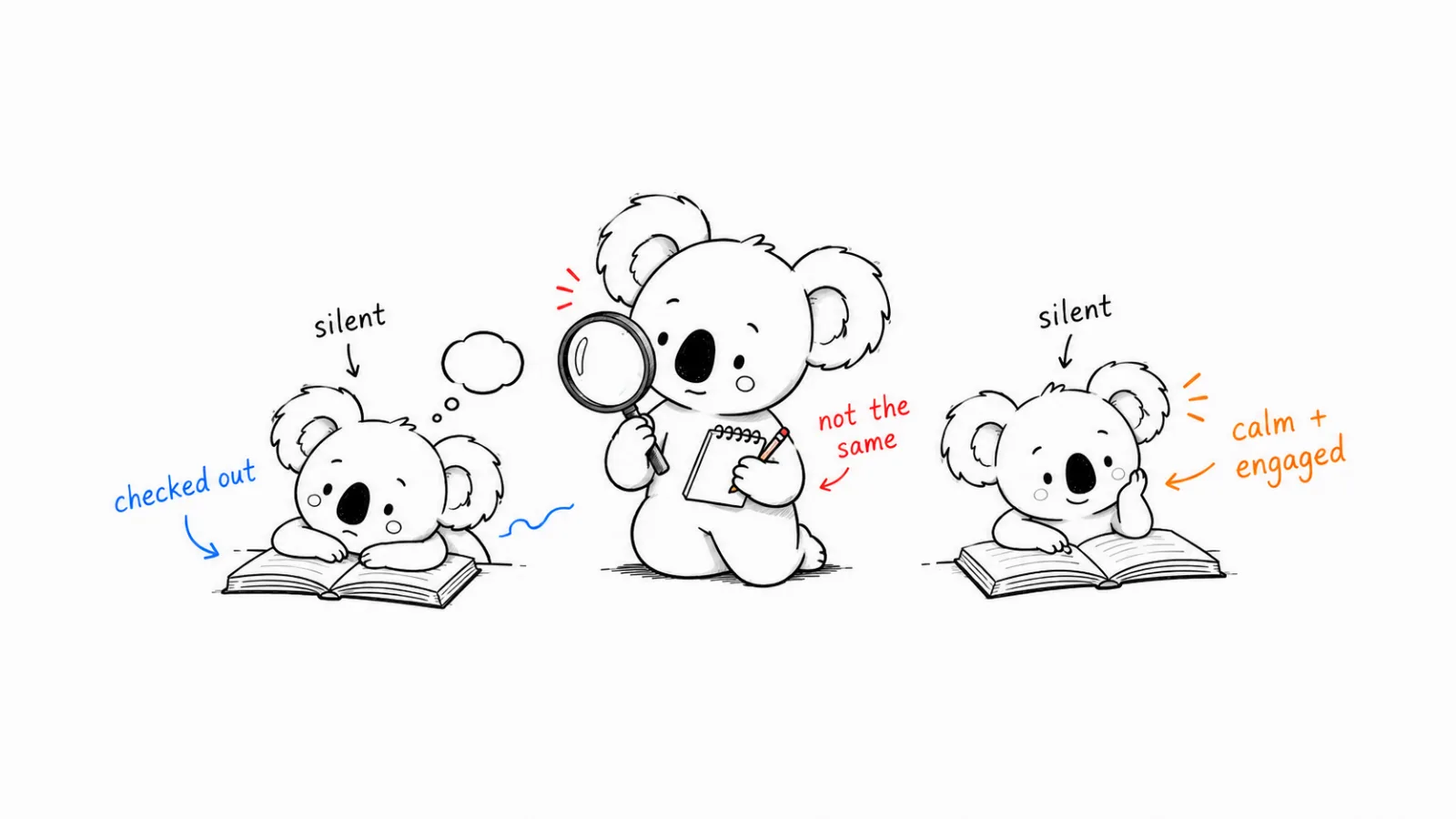
If the voice is so slow or flat that the child repeatedly asks unrelated questions or abandons the story, try a narrator with slightly more warmth and variation.
Using highly dramatic narration at bedtime
Energetic performances can be enjoyable, but they may be better suited to daytime. Loud character entrances, sudden whispers, sound effects, and suspenseful pauses can shift attention toward anticipation rather than winding down.
You do not need to remove all excitement. Aim for a gentle emotional range that preserves the story without turning it into a performance event.
Changing voices too frequently
Consistency allows a child to become familiar with a narrator’s rhythm. Switching every few minutes can make listening less predictable and prevent you from learning which option genuinely works.
Once you find a comfortable voice, use it regularly while leaving room for the child to request alternatives.
Treating narration as a remedy for persistent sleep difficulties
A calm story can be one part of a supportive bedtime routine, but voice selection cannot diagnose or resolve an underlying sleep, health, anxiety, hearing, or developmental concern. If your child regularly struggles to settle, appears distressed by ordinary sounds, or has difficulties that affect daily life, seek guidance from a GP, paediatrician, audiologist, or another appropriate health professional.
7. FAQ
What type of voice is most relaxing for children?
There is no universal voice type. Many children respond well to narration that is clear, steady, warm, and moderately expressive. The narrator’s pace, volume, and consistency are usually more useful selection criteria than gender or pitch alone.
Should bedtime narration be slow?
It should be unhurried, but not unnaturally slow. Long pauses or stretched words may make the story difficult to follow. Choose a pace that gives your child time to understand and imagine each scene while maintaining a natural flow.
Are character voices suitable for bedtime stories?
Yes, if they remain gentle and reasonably consistent in volume. Character voices can improve comprehension and enjoyment, but exaggerated shouting, squealing, growling, or sudden pitch changes may be too stimulating for some children near bedtime.
What should I do if my child dislikes every narration voice?
First check the volume, story, timing, and listening environment. Your child may prefer a parent reading aloud, audio without music, a shorter story, or quiet conversation instead. Respecting that preference is reasonable. If strong reactions to voices or everyday sounds are persistent or concerning, discuss them with a qualified health professional.
8. Conclusion
Choosing the right narration voice for your child is an observation process, not a search for one universally calming sound. Start with voices that are clear, steady, natural, and gently expressive. Match the level of energy to the listening moment, especially when the story is part of bedtime.
Most importantly, watch and listen to your child. Their words, body language, repeated requests, and ability to move calmly through the routine will tell you more than labels such as “soft,” “deep,” or “soothing.”
A suitable narration voice should make the story easy to follow and emotionally comfortable. Once you find one that works, consistency can help it become a familiar and reassuring part of story time.
Ready for calmer bedtimes?
Try Gula Stories free — 5 narrated bedtime stories, ad-free, for children ages 3-8.