
Bedtime Stories to Prepare a Child for a New Baby
New baby sibling stories help children imagine family changes before they happen and provide language for excitement, un
Key Takeaways
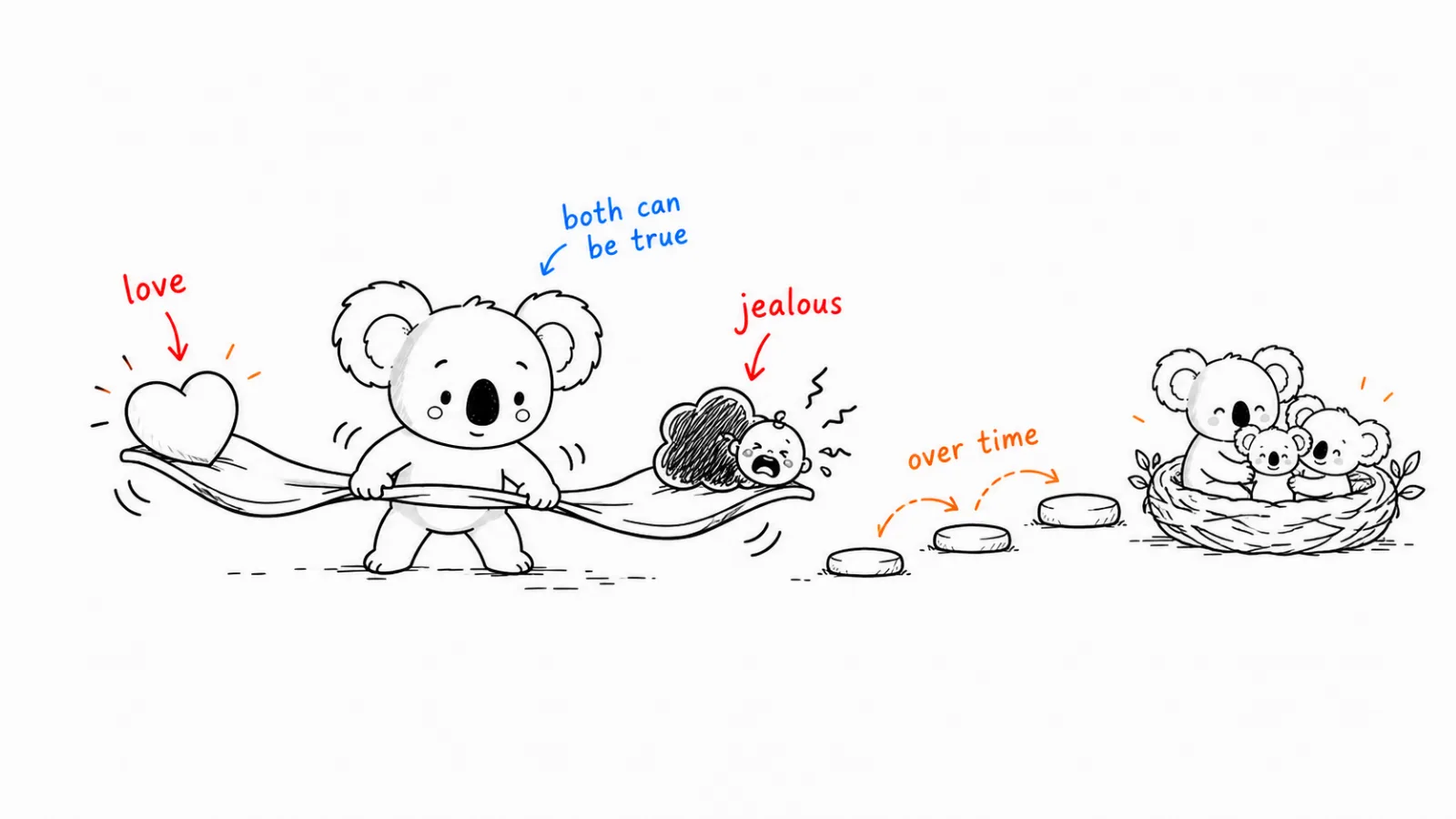
- ●New baby sibling stories help children imagine family changes before they happen and provide language for excitement, uncertainty, jealousy, and love.
- ●Choose stories that acknowledge mixed feelings instead of presenting siblinghood as entirely happy or effortless.
- ●Pause for simple questions, connect the story to your child’s life, and avoid testing them for the “right” response.
- ●Repetition is useful: reading the same reassuring story can make an unfamiliar situation feel more predictable.
- ●Stories work best alongside honest conversations, familiar routines, and small opportunities for the child to participate without being pressured.
1. Introduction
Welcoming a baby can be joyful for a family, but it also changes daily life in ways that are difficult for a young child to picture. A toddler may understand that a baby is growing but not realise that the baby will cry, need feeding, or spend much of the day in an adult’s arms. An older child may understand the practical changes yet still wonder whether there will be enough time and affection for them.
Bedtime stories offer a gentle way to explore these questions. Rather than delivering one serious explanation, parents can introduce the idea through characters, familiar routines, and imaginary situations. A child can watch someone else become a sibling, feel uncertain, make mistakes, and gradually find a place in the changed family.
Effective new baby sibling stories do not need to persuade children to be delighted. Their more useful role is to make the future easier to imagine and all reasonable feelings safer to discuss. This article explains how to choose those stories, read them without pressure, and connect them to the real experience of welcoming a baby.
2. Choose Stories That Make Room for Mixed Feelings
The most helpful stories present becoming a sibling as a transition, not a single happy event. A child may feel proud one minute and annoyed the next. They may want to hold the baby but become upset when the baby interrupts playtime. These reactions can exist together.
Look for stories in which the older child:
- ●Wonders what the baby will be like
- ●Notices that babies require considerable care
- ●Feels left out, impatient, worried, or jealous
- ●Receives reassurance without having every problem immediately solved
- ●Discovers a realistic way to connect with the baby
- ●Remains valued for who they are, not only for being “helpful”
Stories that allow emotional complexity give parents useful language. If a character feels cross when the baby cries, a parent can say, “Sometimes people love a baby and still dislike the noise.” This separates the feeling from harmful behaviour: frustration is acceptable, while hurting or frightening the baby is not.
Avoid relying only on stories in which the older child instantly adores the baby or becomes a cheerful assistant. Such stories may be pleasant, but they can create an unhelpful expectation. A child who later feels jealous may conclude that their response is wrong or shameful.
A reassuring story ending should not suggest that difficult feelings disappear forever. A more believable resolution shows that the family adapts over time: the parent still makes space for the older child, the baby gradually becomes more interactive, and connection develops through ordinary moments.
A practical reading scenario
Suppose a story character complains that the baby receives all the attention. Instead of correcting the character—or asking your child to promise not to feel that way—pause and say:
“I wonder what the character wishes the grown-up understood.”
Your child might answer, remain silent, or change the subject. All three responses are acceptable. The question opens a door without demanding a confession.
3. Match the Story to the Child’s Age and Understanding
A useful story is emotionally relevant and easy enough for the child to follow. Children aged two to eight vary considerably in language, attention, and understanding of time, so the same story will not work equally well for every child.
| Age range | Helpful story features | Useful parent prompt | Common mismatch to avoid |
|---|---|---|---|
| 2–3 years | Short sentences, repetition, clear pictures, familiar routines | “Where is the baby sleeping?” | Long explanations about pregnancy or future responsibilities |
| 4–5 years | Simple plots, named emotions, gentle humour, everyday family changes | “How do you think the older child feels now?” | Stories that insist a “big” child must always be patient |
| 6–8 years | More complex feelings, realistic conflicts, opportunities for discussion | “What changed for the family, and what stayed the same?” | Stories that feel too babyish or avoid difficult emotions |
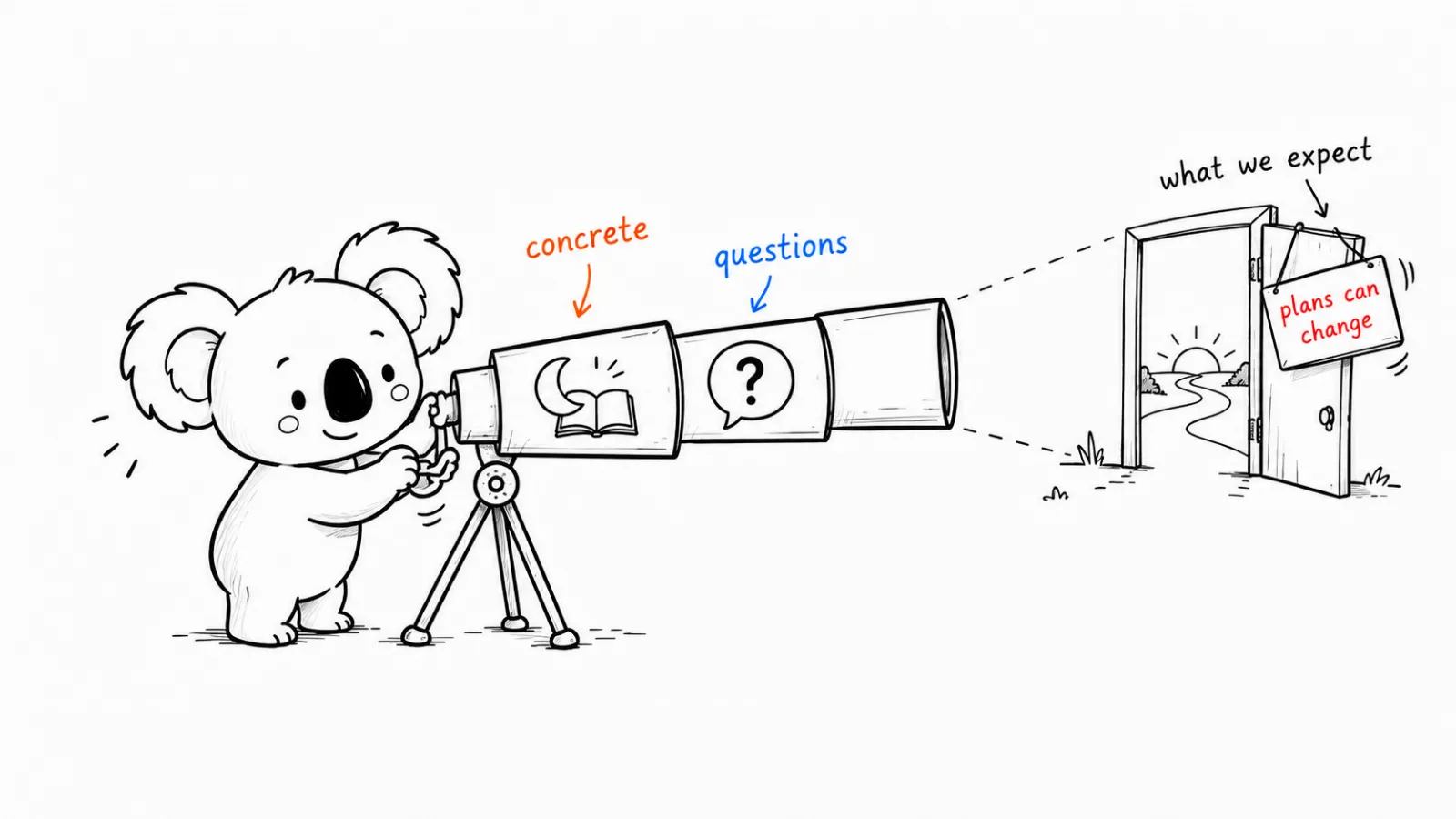
For younger children, concrete details matter more than abstract reassurance. “You will always be loved” is important, but it becomes easier to understand when connected to routines: “We will still read together before bed,” or “Dad will still take you to the park on Saturday when possible.”
Older children may ask practical or emotionally direct questions. Who will look after them when the parent goes to the hospital? Can the baby come into their room? What happens if they do not like being a sibling? A story can begin the conversation, but the parent should answer honestly and in age-appropriate language.
Avoid making promises that may not be possible to keep. Birth dates, hospital plans, feeding routines, and the baby’s temperament can be unpredictable. Use flexible wording such as, “This is what we expect to happen,” followed by, “If the plan changes, we will tell you.”
Stories for different temperaments
A talkative child may enjoy discussing every page. A child who processes feelings privately may prefer to listen without answering questions. Another child may act out the story later with toys rather than speak about it directly.
Silence does not mean the story has failed. Children often revisit an idea through play, drawings, repeated questions, or requests for the same story. Follow the child’s preferred way of engaging instead of turning bedtime reading into a lesson.
4. Use the Story to Make the Future Predictable
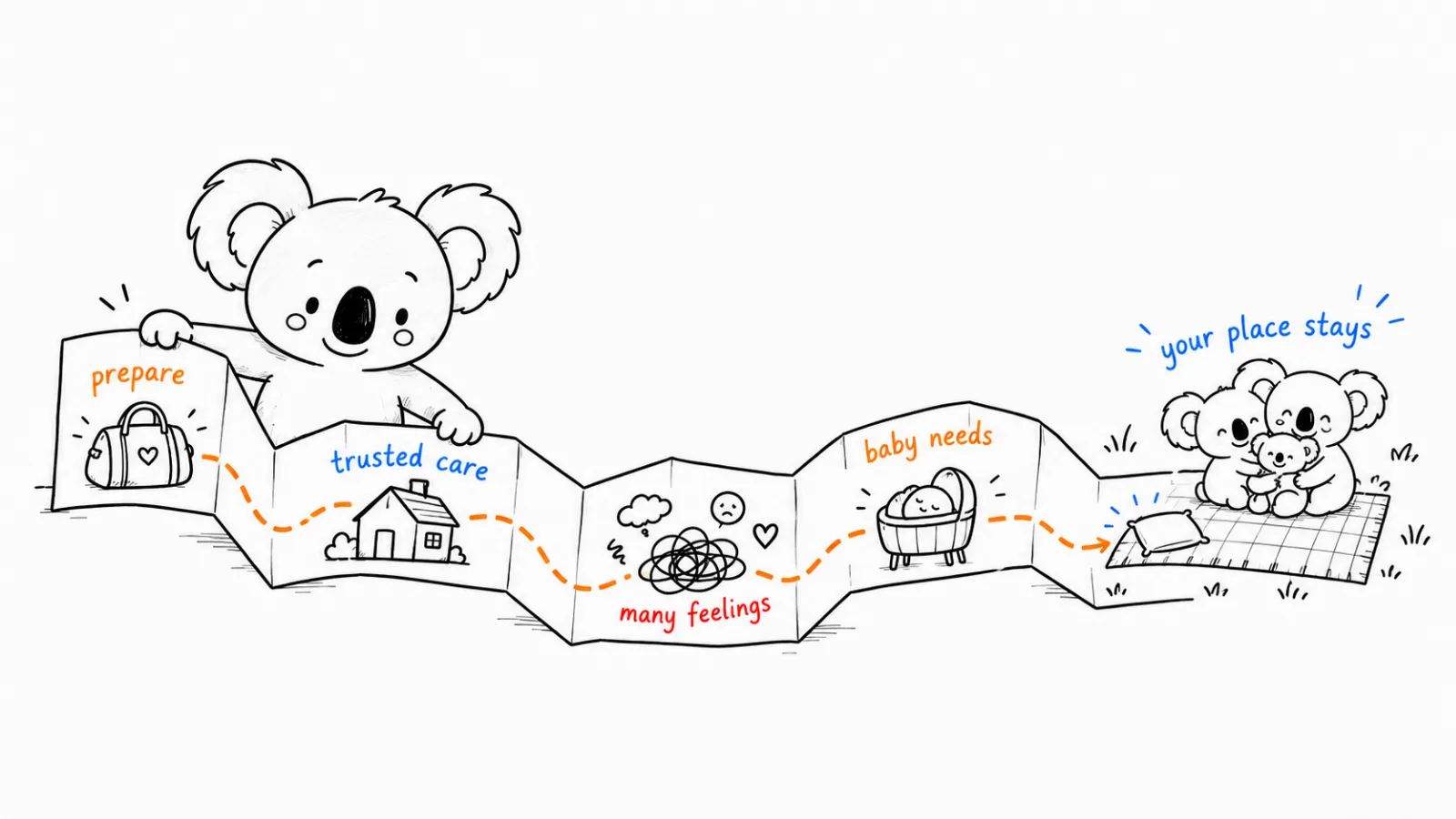
Children often cope better with change when they know what may happen and which parts of life are likely to remain familiar. New baby sibling stories can create a simple mental map of the transition.
A helpful story sequence might include:
- ●The family prepares for the baby.
- ●A trusted adult cares for the older child while the parent is away or occupied.
- ●The baby arrives and needs frequent attention.
- ●The older child experiences several feelings.
- ●The family creates small moments of connection.
- ●The older child learns that their place in the family remains secure.
After reading, connect one or two story details to real plans. Keep the discussion brief, especially close to bedtime.
For example:
- ●“In our family, Grandma plans to stay with you while we are at the hospital.”
- ●“The baby will sleep in our room at first, not in yours.”
- ●“Babies often wake and cry because that is how they communicate.”
- ●“You can help choose a song, but you will not have to hold the baby.”
- ●“We will keep your bedtime routine as familiar as we reasonably can.”
Recognised parenting resources such as HealthyChildren.org, the NHS, and Raising Children Network generally emphasise preparation, reassurance, and maintaining connection during major family transitions. Individual reactions still vary. If a child’s distress is intense, persistent, or significantly affects sleep, eating, school, play, or family life, consider speaking with a GP, paediatrician, child health nurse, or another qualified health professional.
Preserve the older child’s identity
A child should not have to become “the big helper” to earn attention. Offer invitations rather than duties:
- ●“Would you like to choose the baby’s socks?”
- ●“Would you like to sit beside me while I feed the baby?”
- ●“Would you rather keep playing?”
Stories can reinforce that the older child still has interests, needs, and relationships unrelated to the baby. A character might continue building, drawing, dancing, exploring, or sharing a private joke with a parent. This makes the message more credible: the family is changing, but the child is not being replaced.
5. Build a Calm Story Routine Before and After the Birth
One story rarely prepares a child for every aspect of siblinghood. A short, repeatable routine gives the child time to absorb the idea and return to it as their understanding changes.
Before the baby arrives
Introduce sibling stories gradually rather than making every bedtime about the baby. A balanced reading routine might include familiar favourites, unrelated adventures, and occasional new baby sibling stories.
During the story:
- ●Let the child choose whether to discuss the pictures or simply listen.
- ●Name emotions without assigning them to your child: “The character looks worried,” rather than, “You are worried too.”
- ●Ask open questions sparingly.
- ●Correct unrealistic details gently if they matter to your family’s plan.
- ●End with reassurance grounded in something dependable, such as a familiar song, cuddle, or goodnight phrase.
If printed books are not convenient, an audio story can help maintain the ritual while a parent rests or manages practical preparations. Gula Stories, for example, offers calm narration, natural voice options, age-appropriate recommendations, and personalised avatars in an ad-free environment. An audio story can support the routine, although shared conversation remains valuable when the child wants it.
After the baby arrives
Keep the sibling stories available. Their meaning may change once the baby is real. A scene that seemed unimportant before birth may suddenly match the child’s experience of waiting, noise, visitors, or divided attention.
Try pairing a story with a small point of connection:
- ●Read while another adult cares for the baby.
- ●Invite the child to choose the story.
- ●Keep a familiar bedtime phrase even if the routine must be shorter.
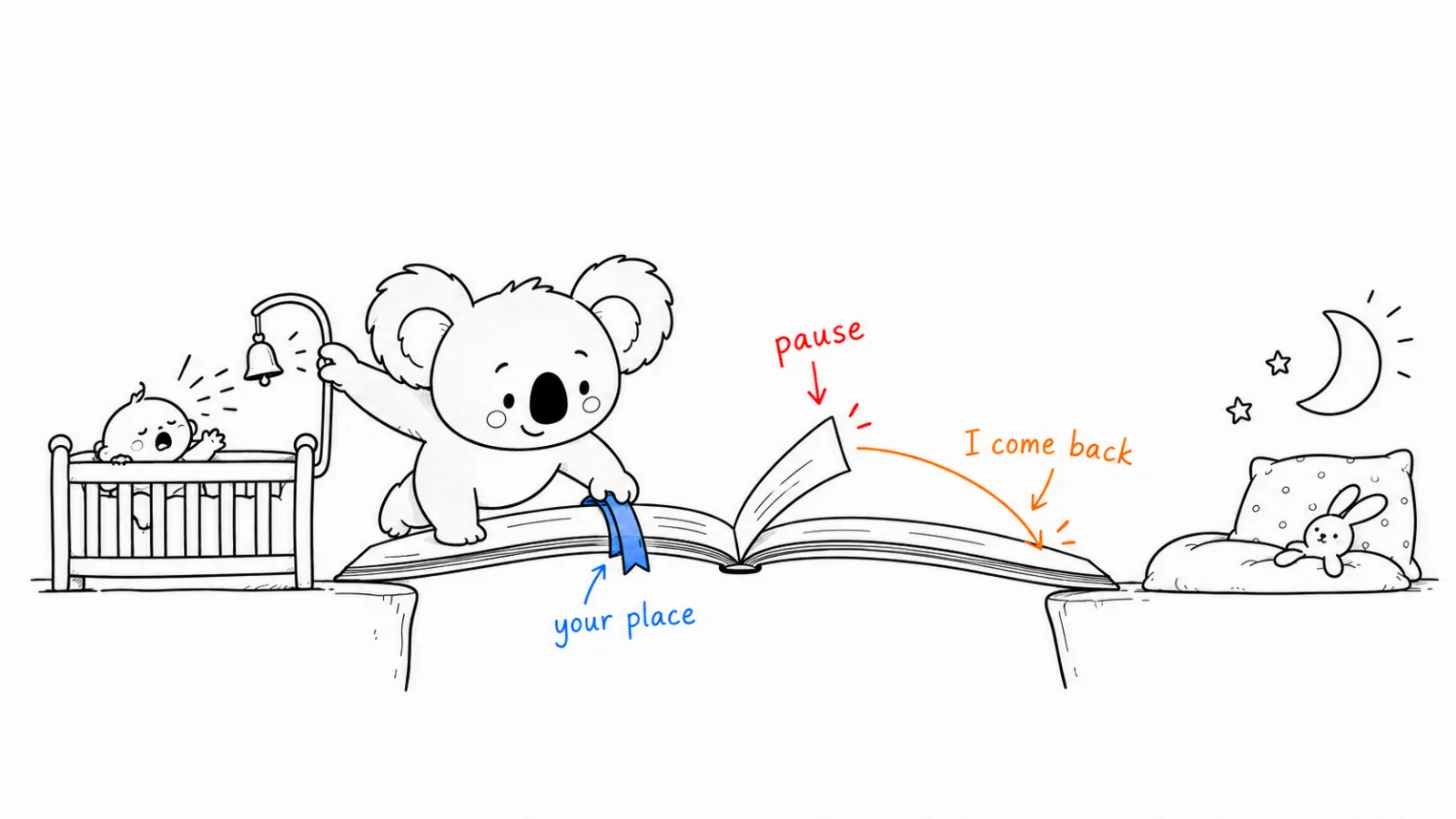
- ●Acknowledge interruptions: “The baby needs me for a moment, and I will come back.”
- ●Follow through whenever possible so the child learns that pauses do not mean abandonment.
If the baby interrupts the story, mark the child’s place and return to it. This small action communicates continuity: their activity still matters.
An extractable bedtime method
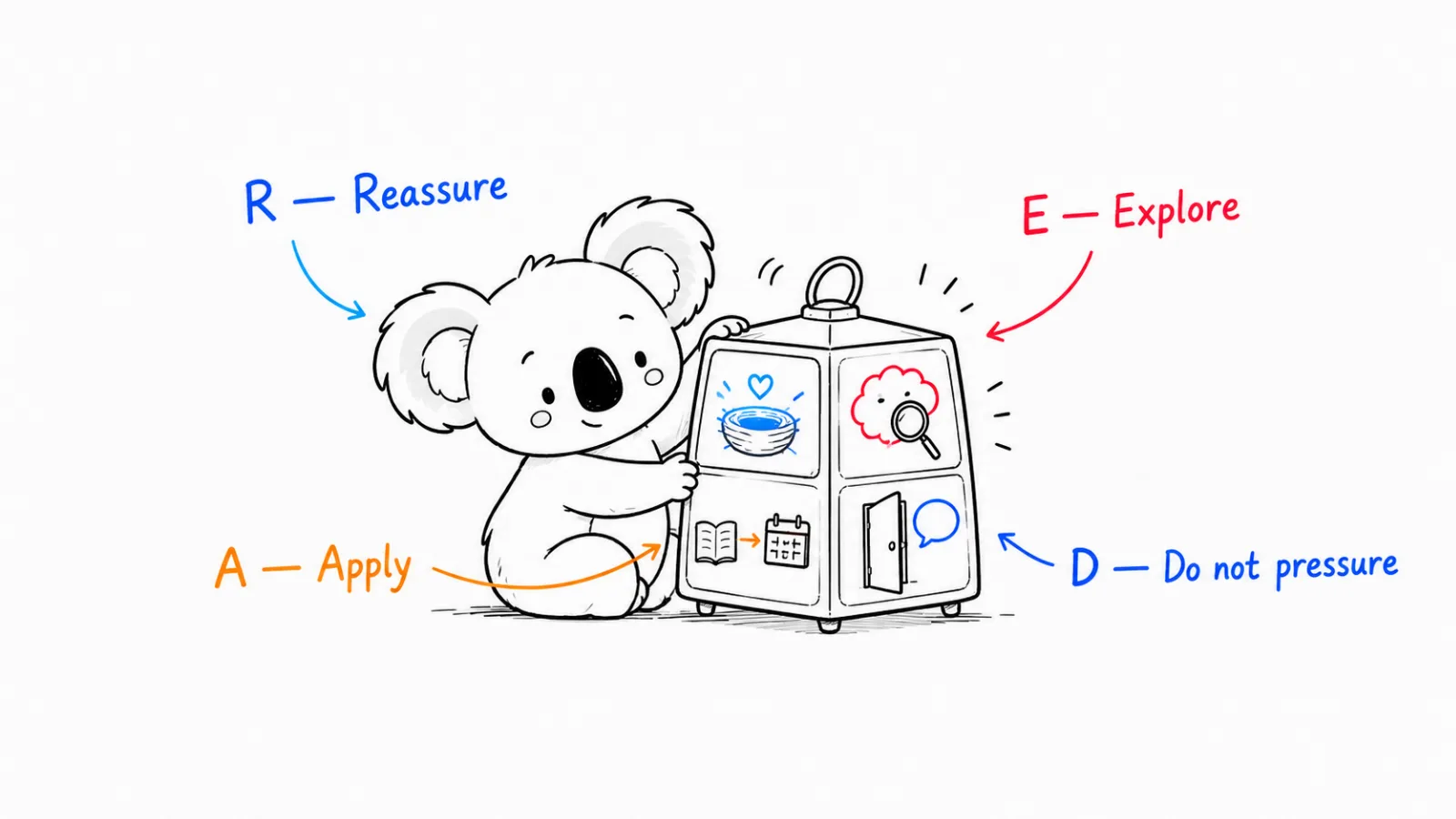
The READ approach
- ●R — Reassure: Confirm the child’s secure place in the family.
- ●E — Explore: Notice the character’s feelings without judging them.
- ●A — Apply: Connect one story detail to the family’s real plan.
- ●D — Do not pressure: Allow silence, disagreement, or a request to read something else.
This method keeps the conversation focused while avoiding an interrogation at bedtime.
6. FAQ
What should I do if my child refuses new baby sibling stories?
Do not force the topic. Return to familiar favourites and offer a sibling story again another day. The refusal may reflect worry, boredom, dislike of that particular book, or a wish to keep bedtime separate from family preparations. You can still share practical information during ordinary moments and let play or drawing provide other ways to explore the change.
How often should we read stories about the new baby?
There is no required schedule. Follow the child’s interest and keep the overall bedtime routine varied. Some children request the same story repeatedly because repetition makes the situation feel manageable. Others prefer occasional exposure. The goal is familiarity and conversation, not completing a preparation programme.
Should a story say that the child will love the baby?
It is better to avoid making affection an obligation. Connection may be immediate, gradual, or inconsistent. A story can show curiosity, care, annoyance, protectiveness, and uncertainty while making clear that safe behaviour is expected. Tell the child that feelings can take time and that the adults remain responsible for caring for the baby.
What if bedtime behaviour changes after the baby arrives?
Temporary changes can occur during major transitions. Keep routines as consistent and calm as practical, offer reassurance, and avoid treating every difficult bedtime as deliberate misbehaviour. If sleep difficulties are persistent, severe, or accompanied by broader concerns about the child’s wellbeing, seek guidance from a qualified health professional.
7. Conclusion
Bedtime stories can help a child welcome a new sibling by making an unfamiliar future easier to imagine. The most useful stories combine reassurance with honesty: babies need attention, family routines may change, and older children can experience both warm and uncomfortable feelings.
Choose stories suited to the child’s age, connect them to real family plans, and leave room for the child’s own response. Repetition, familiar rituals, and small moments of one-to-one attention are often more helpful than trying to produce immediate excitement.
Above all, use new baby sibling stories as invitations to talk—not scripts for how a child must feel. When stories show that relationships grow through ordinary, imperfect moments, children receive a calm and believable message: the family will change, and they will continue to belong within it.
Ready for calmer bedtimes?
Try Gula Stories free — 5 narrated bedtime stories, ad-free, for children ages 3-8.