
Bedtime Stories by Age: What Works From Ages 2 to 8
At ages 2–3, short stories, strong repetition and plenty of participation usually work well. From ages 4–5, children can
Key Takeaways
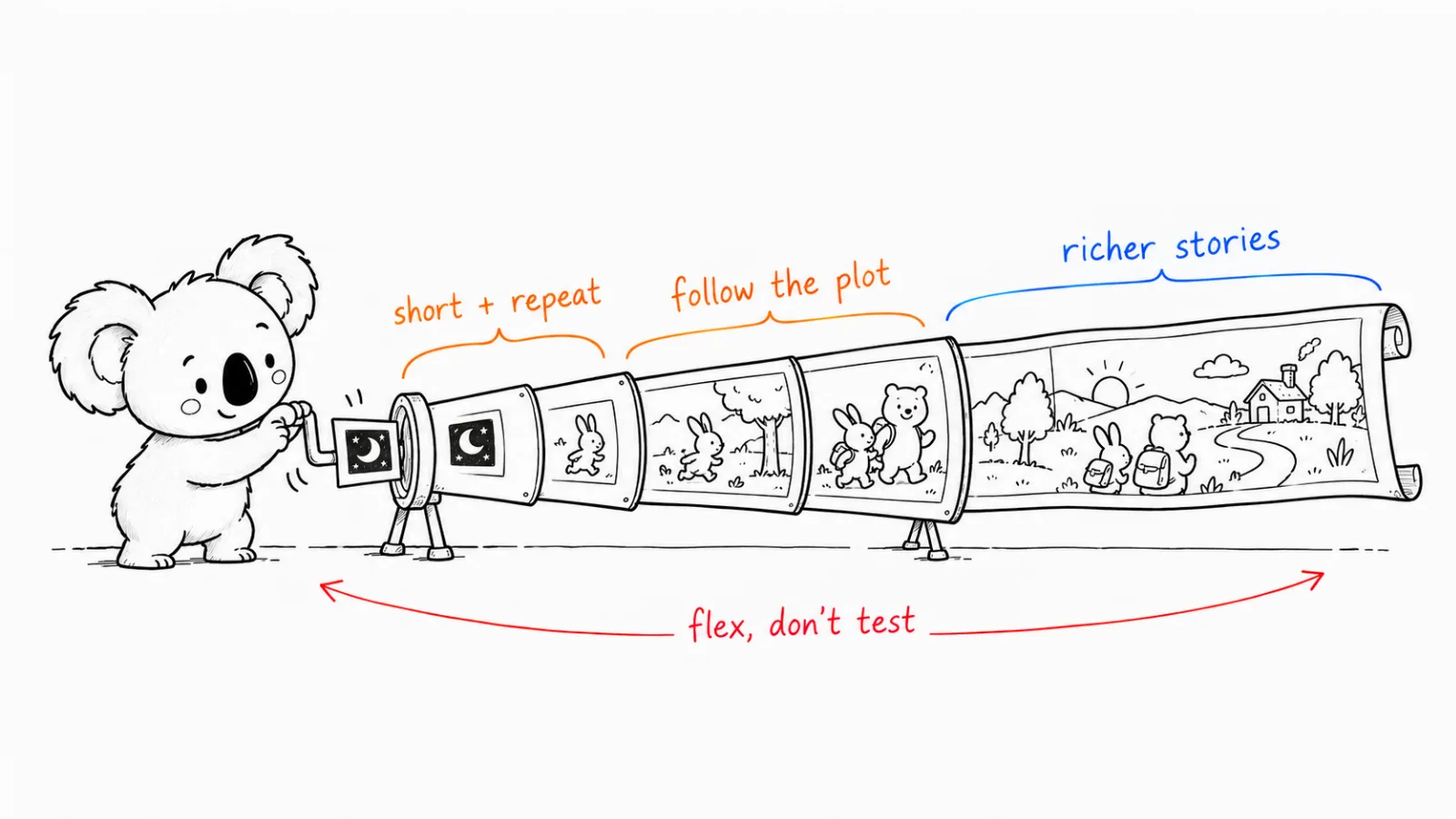
- ●At ages 2–3, short stories, strong repetition and plenty of participation usually work well.
- ●From ages 4–5, children can often follow clearer plots, anticipate what happens next and discuss characters’ feelings.
- ●At ages 6–8, longer narratives, richer vocabulary and chapter books become more appealing, but illustrations and familiar favourites still matter.
- ●Story length should match the child’s attention and energy that evening—not a rigid age target.
- ●Calm, predictable reading is more important than finishing the book or testing comprehension.
The right bedtime story changes as a child’s language, attention and imagination develop. As a practical rule, choose brief and repetitive stories for younger children, then gradually introduce longer plots, more complex characters and open-ended conversation from ages 4 to 8.
The guide below compares bedtime stories by age, with flexible starting points for length, complexity, repetition and interaction. These are typical patterns rather than developmental tests: children may enjoy books above or below their age range, especially when tired, excited or already familiar with the story.
Bedtime Stories by Age: A Quick Guide
| Age | Useful starting length | Story complexity | Role of repetition | Helpful interaction |
|---|---|---|---|---|
| 2 | 3–7 minutes | One event or simple sequence | Very high | Name, point, copy sounds |
| 3 | 5–10 minutes | Clear beginning, problem and ending | High | Complete repeated phrases |
| 4 | 7–12 minutes | Simple plot with cause and effect | Moderate to high | Predict what happens next |
| 5 | 10–15 minutes | Several connected events | Moderate | Discuss choices and feelings |
| 6 | 10–20 minutes | Longer plots or short chapters | Useful, but less essential | Retell key events |
| 7 | 15–25 minutes | Subplots and changing motivations | Mostly for comfort or humour | Compare viewpoints |
| 8 | 15–30 minutes | Sustained narratives and richer themes | Optional | Discuss themes and connections |
These time ranges are practical starting points, not targets. A three-minute story may be enough after a demanding day, while a familiar favourite can hold a younger child’s attention for longer. Stop or simplify when listening turns into frustration.
What Works at Each Age
Age 2: Short, concrete and highly repetitive
Two-year-olds often respond well to stories built around familiar objects, animals, family routines or one easily understood event. Illustrations carry much of the meaning, so choose pages with clear pictures and limited visual clutter.
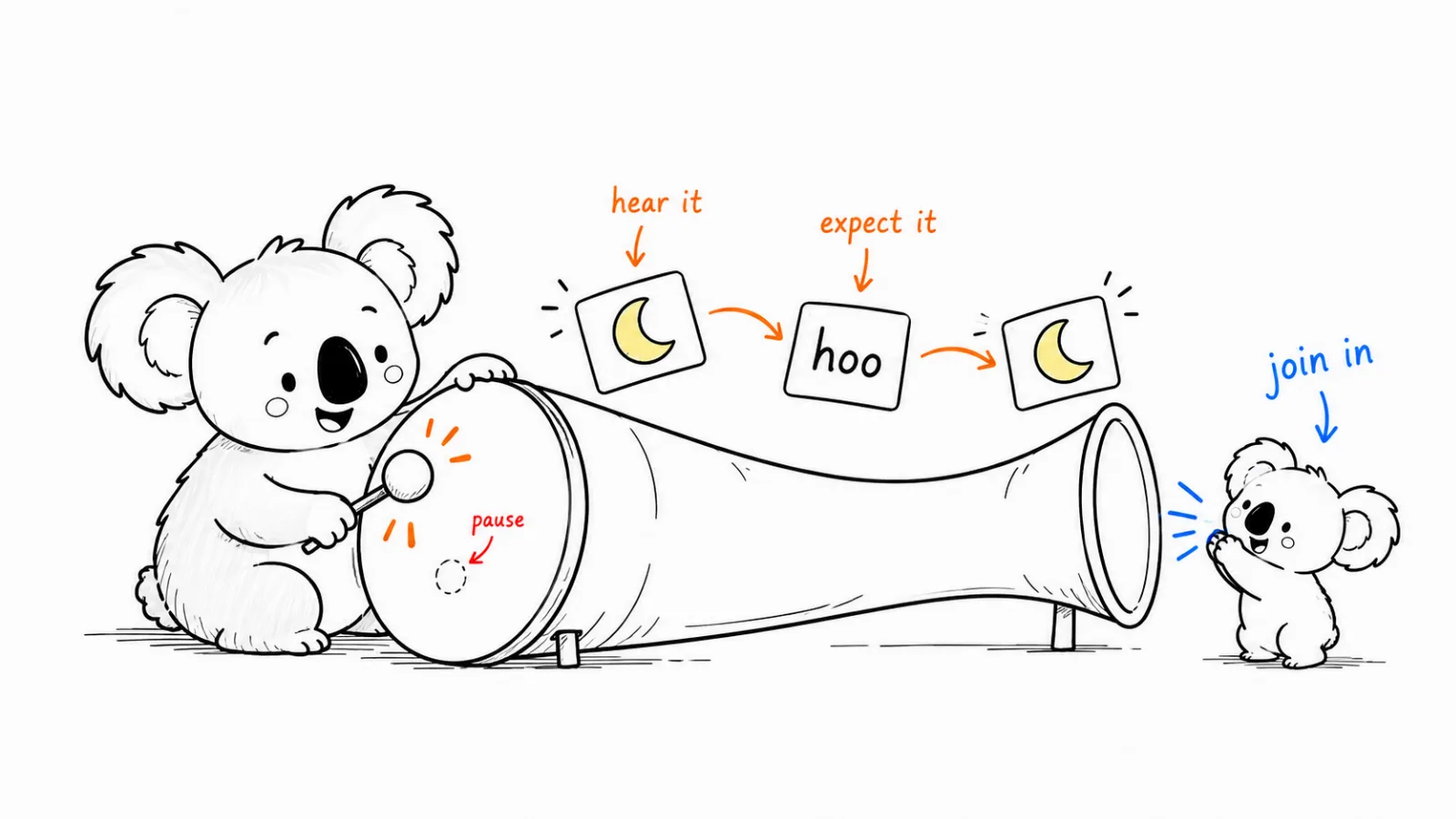
Repetition helps a young child anticipate what comes next. Rhymes, animal noises, repeated actions and predictable phrases turn listening into an activity they can join.
Try:
- ●Reading for a few minutes rather than aiming to finish every page.
- ●Naming objects and emotions: “The bear looks sad.”
- ●Pausing before a familiar sound or repeated word.
- ●Letting the child turn pages, including turning several at once.
Explore more ideas in Bedtime Stories for 2-Year-Olds.
Age 3: Familiar patterns with a complete little story
At three, many children enjoy a recognisable story arc: a character wants something, encounters a small problem and reaches a reassuring ending. The plot should remain easy to follow, with only a few important characters.
Repeated lines are still valuable, but they can now support memory and participation. For example, pause at the same point on each page so the child can supply the final word.
Good interaction includes simple questions with no pressure to answer:
- ●“Where do you think the rabbit is going?”
- ●“Can you find the moon?”
- ●“How does the puppy feel?”
See Bedtime Stories for 3-Year-Olds for age-matched themes and formats.
Age 4: Strong plots and room for prediction
Four-year-olds can often follow a longer sequence of connected events. Stories involving friendship, pretend worlds, manageable fears and everyday independence may be especially engaging.
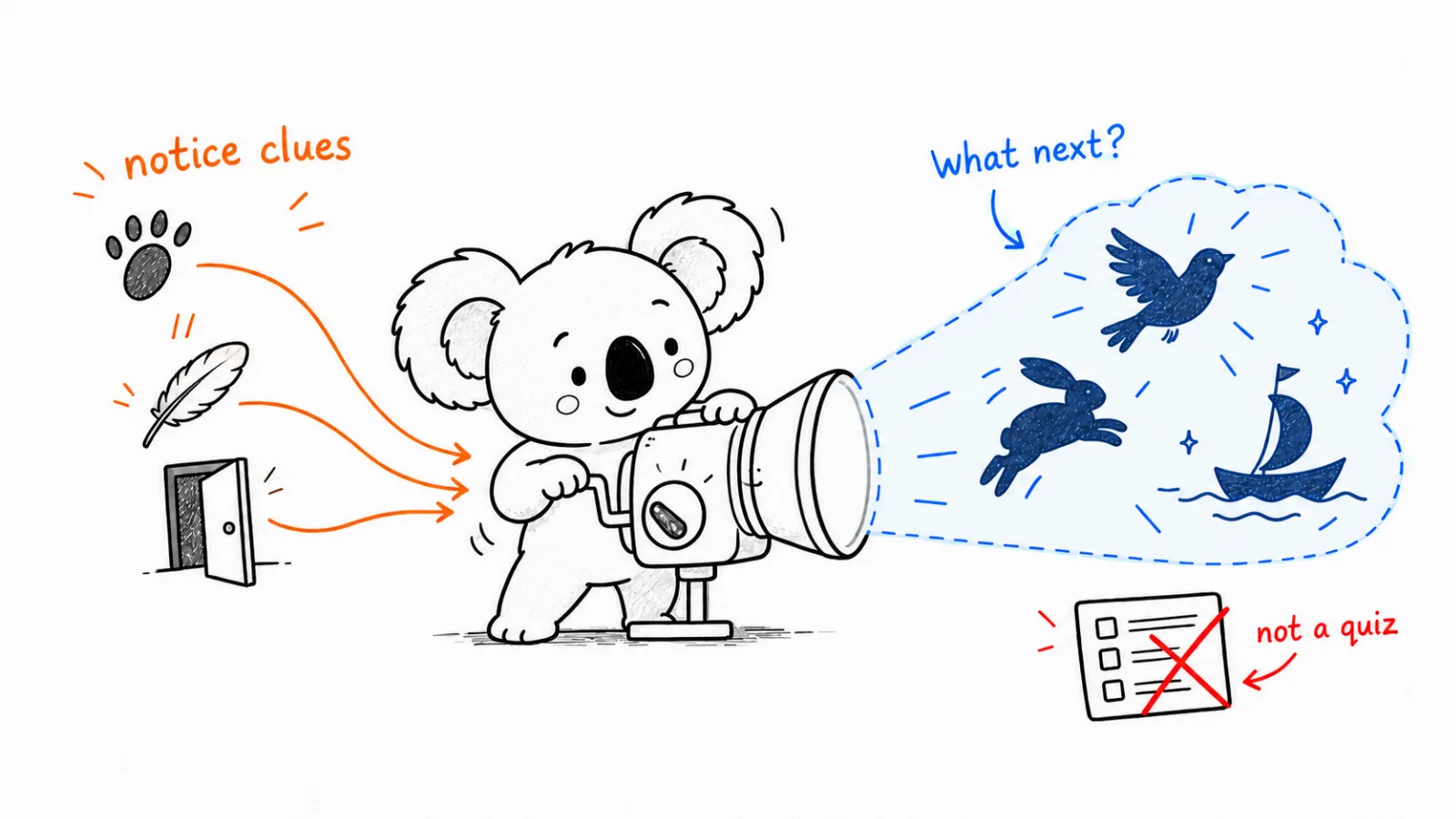
This is a useful age for prediction because children are beginning to use story clues more deliberately. Pause once or twice—not on every page—to ask what might happen next. Accept imaginative answers instead of turning the conversation into a quiz.
Repetition may shift from identical sentences to recurring patterns: three attempts to solve a problem, several characters visiting the same place or a refrain that changes slightly each time.
Find suitable examples in Bedtime Stories for 4-Year-Olds.
Age 5: Connected events, motives and consequences
By five, children may be ready for stories in which a character makes a choice, experiences a consequence and tries a different approach. They can often keep track of several events when the central goal remains clear.
Conversation can move beyond identifying what happened:
- ●“Why did she make that choice?”
- ●“What could he try now?”
- ●“Did the character change?”
Keep bedtime discussion calm and optional. If the child is tired, simply reading aloud preserves the comforting rhythm of the routine.
Read Bedtime Stories for 5-Year-Olds for stories with more developed characters and plots.
Age 6: Longer narratives and early chapter books
Six-year-olds vary widely in reading ability, but independent reading level does not need to determine bedtime choices. A child who is learning to decode simple text may still understand and enjoy a more sophisticated story read aloud.
Short chapter books can work well when each chapter provides a satisfying stopping point. Briefly remind the child where the story paused the previous night, particularly when several days have passed.
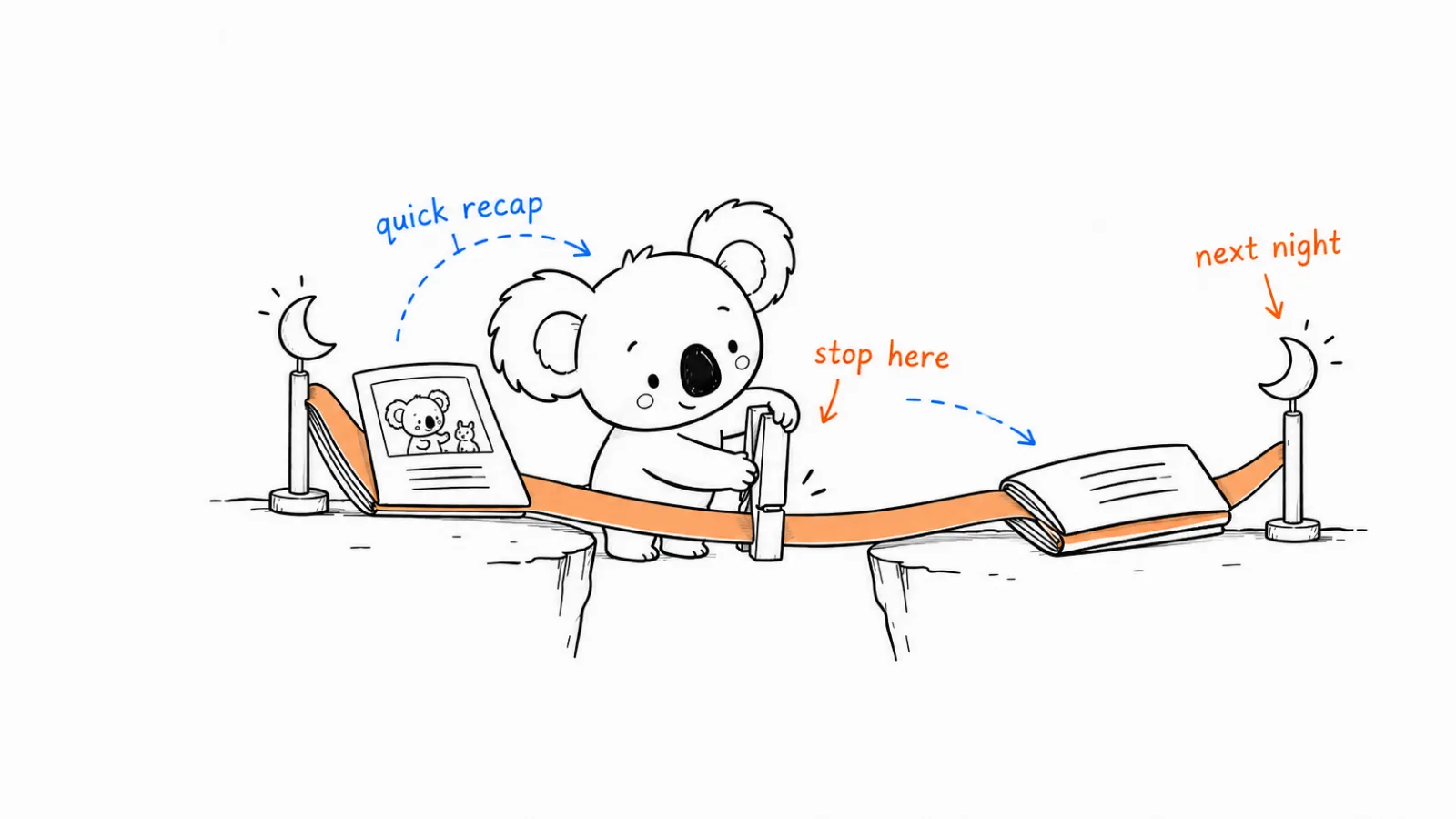
Useful interaction might include asking for a one-sentence recap or noticing a clue together. Avoid correcting every detail; the goal at bedtime is shared enjoyment, not a reading assessment.
See Bedtime Stories for 6-Year-Olds for picture books and first chapter-story options.
Age 7: Richer characters and competing viewpoints
At seven, many children can follow longer plots, remember details across nights and understand that two characters may interpret the same event differently. Humour, mystery, adventure and imaginative world-building often become more prominent.
Try asking one open question after reading, such as, “Who handled that situation well?” A single thoughtful exchange is usually more suitable for bedtime than a long analysis.
Children at this age may still request simple books they loved when younger. Familiar stories can provide comfort and should not be treated as a sign that they need more challenging material.
Explore Bedtime Stories for 7-Year-Olds.
Age 8: Sustained plots without losing the bedtime mood
Eight-year-olds may enjoy continuing chapter books, layered mysteries and stories with more nuanced motives. They can often connect events across chapters and relate a fictional situation to their own experiences.
Complexity should not mean intensity. Before bed, consider whether suspense, conflict or frightening imagery is likely to leave this particular child unsettled. Preview unfamiliar books when the subject matter seems emotionally demanding.
At this age, shared reading can take several forms: the adult reads, the child reads, or both take turns. Audiobooks and calm narrated stories can also support the routine. An ad-free app such as Gula Stories may help families select age-appropriate stories and use a consistent narration style without adding distracting content.
Find more recommendations in Bedtime Stories for 8-Year-Olds.
How to Adjust a Story for the Child in Front of You
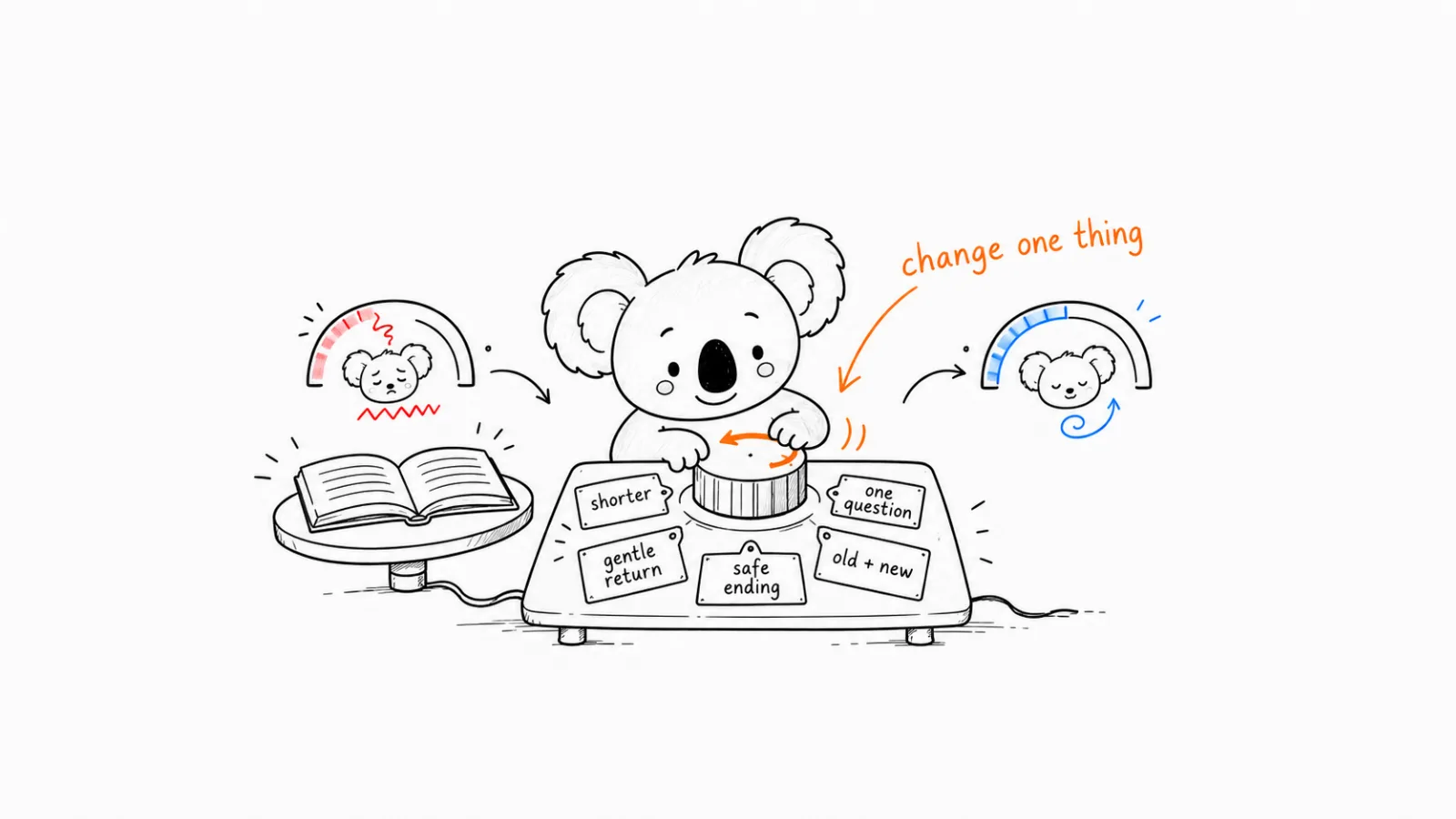
Age labels are useful filters, but the child’s response is the better guide. Adjust one element at a time:
- ●If attention fades: shorten the session, summarise a page or choose a story with fewer characters.
- ●If the story feels too easy: add a prediction question or try a slightly longer plot.
- ●If the child interrupts frequently: allow relevant comments, then use a gentle phrase such as, “Let’s see what the character does.”
- ●If suspense causes worry: preview the ending, explain that the character becomes safe or switch to a familiar story.
- ●If the child wants the same book nightly: keep reading it and occasionally offer one new option alongside it.
Recognised parenting resources, including HealthyChildren.org, the NHS and Raising Children Network, generally emphasise shared reading and a predictable, calming bedtime routine. Persistent sleep difficulties, significant anxiety or broader concerns about language and development are worth discussing with a doctor or qualified child-health professional.
FAQ
Should siblings of different ages hear the same bedtime story?
Yes, when the story is understandable and comfortable for the youngest listener. Give older children a richer question or let them choose an additional chapter on another night. Alternating who selects the family story can also prevent one child’s preferences from dominating.
Is it better to read aloud or play an audio story?
Both can have a place. Reading aloud supports closeness and flexible conversation, while calm audio narration can provide consistency when an adult is unavailable or wants to listen alongside the child. Keep the environment quiet and avoid autoplay that extends the routine unexpectedly.
Should children read the bedtime story themselves?
They can, but bedtime does not need to become reading practice. Taking turns, letting the child read one page or having the adult read the entire story are all reasonable choices. If independent reading creates strain, return to reading aloud.
What if a child only wants stories intended for younger ages?
Let them enjoy those stories. Familiar language, illustrations and predictable endings can be reassuring, particularly during periods of change or fatigue. Offer more complex books without removing trusted favourites.
The Bottom Line
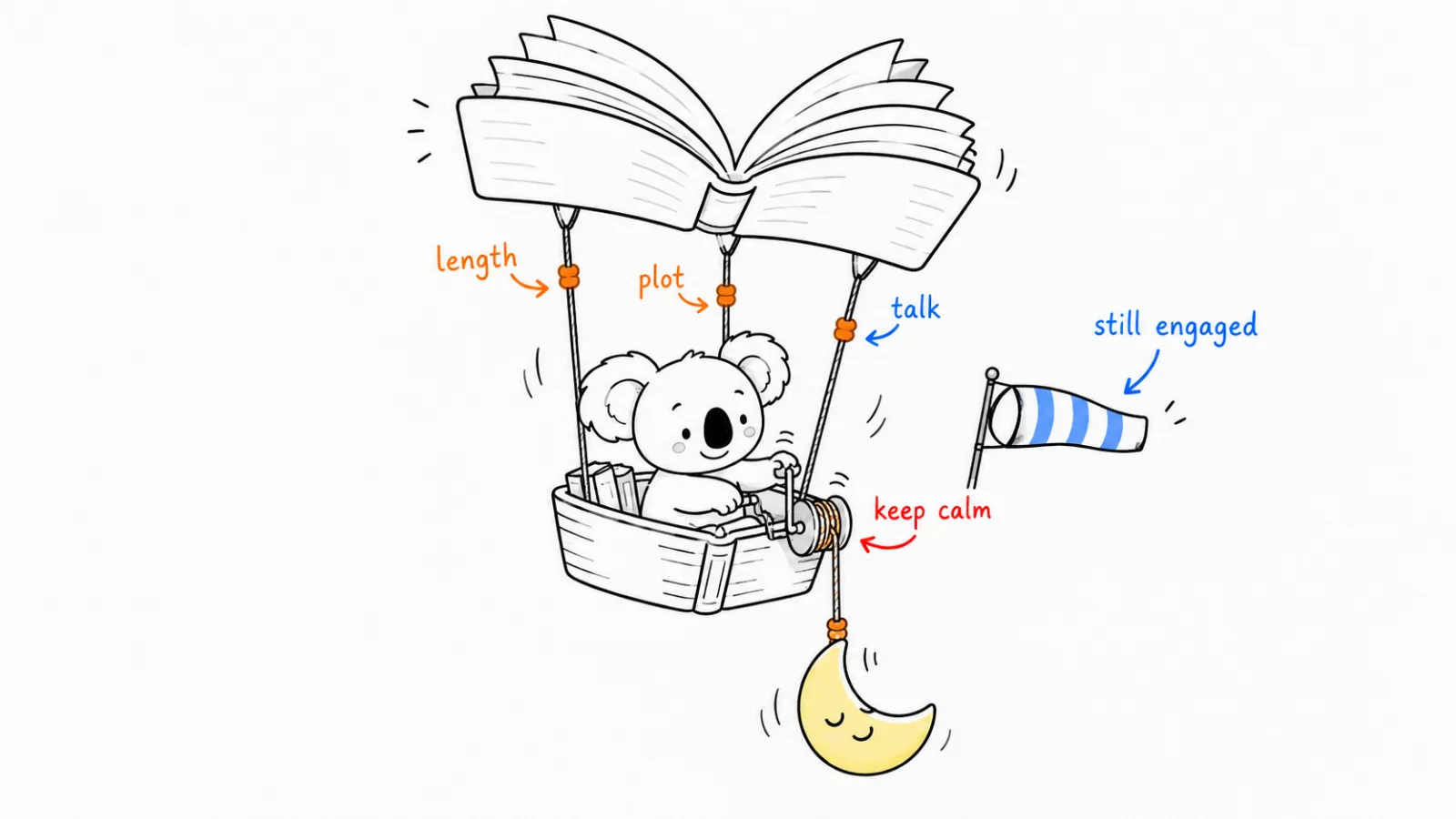
Choosing bedtime stories by age is about gradually expanding length, plot and conversation while protecting the calm purpose of the routine. Start with the child’s current interests and attention, then increase complexity when they remain engaged—not simply because they have reached another birthday.
Ready for calmer bedtimes?
Try Gula Stories free — 5 narrated bedtime stories, ad-free, for children ages 3-8.