
Audio Stories vs Read-Aloud: Which Helps Language More?
Reading aloud usually offers richer language learning because children can ask questions, discuss pictures and connect w
Key Takeaways
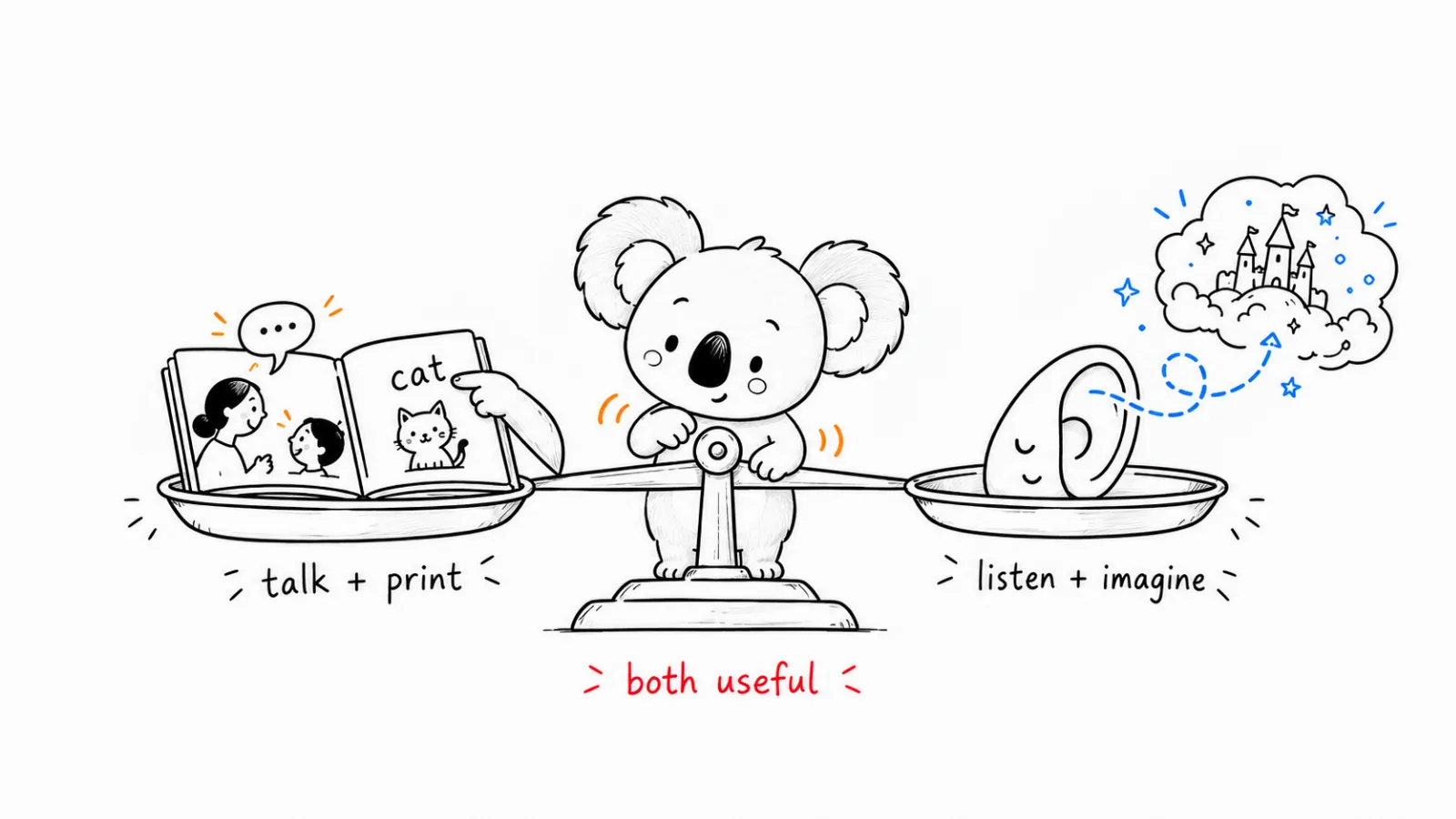
- ●Reading aloud usually offers richer language learning because children can ask questions, discuss pictures and connect words with print.
- ●Audio stories strengthen listening comprehension, attention, vocabulary and the ability to follow a story without visual cues.
- ●Neither format automatically builds language; age-appropriate stories, repeated listening and conversation make the biggest practical difference.
- ●For most children aged 2–8, the strongest approach is regular read-aloud time supported by audio stories when an adult cannot read or a child wants to revisit a favourite.
In the audio vs read aloud comparison, reading aloud generally provides more opportunities for language growth because it is interactive. Audio stories are still valuable: they help children listen closely, understand spoken language and create mental images.
Parents do not need to choose one format exclusively. The most useful question is what each format helps a child practise—and how to make that experience active rather than passive.
What Each Format Offers
Both formats expose children to vocabulary, sentence patterns and story structure. The main difference is how the child interacts with the language.
| Language skill | Reading aloud | Audio stories |
|---|---|---|
| Vocabulary | Adults can explain unfamiliar words immediately | Meaning is inferred from narration and context |
| Conversation | Naturally supports questions, comments and turn-taking | Usually requires an adult to start discussion afterward |
| Print awareness | Connects spoken words with pages, letters and punctuation | Focuses on spoken language rather than print |
| Listening comprehension | Supported by pictures, gestures and adult prompts | Requires closer attention to voice, sequence and detail |
| Pronunciation and expression | Children hear a familiar adult model speech | Skilled narration can model pacing, emphasis and character voices |
| Imagination | Pictures and interaction help shape the story | Fewer visual cues encourage children to form their own images |
| Repetition | Depends on an adult being available to reread | A favourite story can be replayed consistently |
This does not mean every read-aloud is more beneficial than every audio story. A rushed reading with little engagement may offer less than a calm audio story that a child listens to repeatedly and discusses afterward.
Why Reading Aloud Has an Interactive Advantage
The special strength of reading aloud is responsive conversation. A parent can notice confusion, explain a phrase, relate an event to the child’s life or pause when the child has something to say.
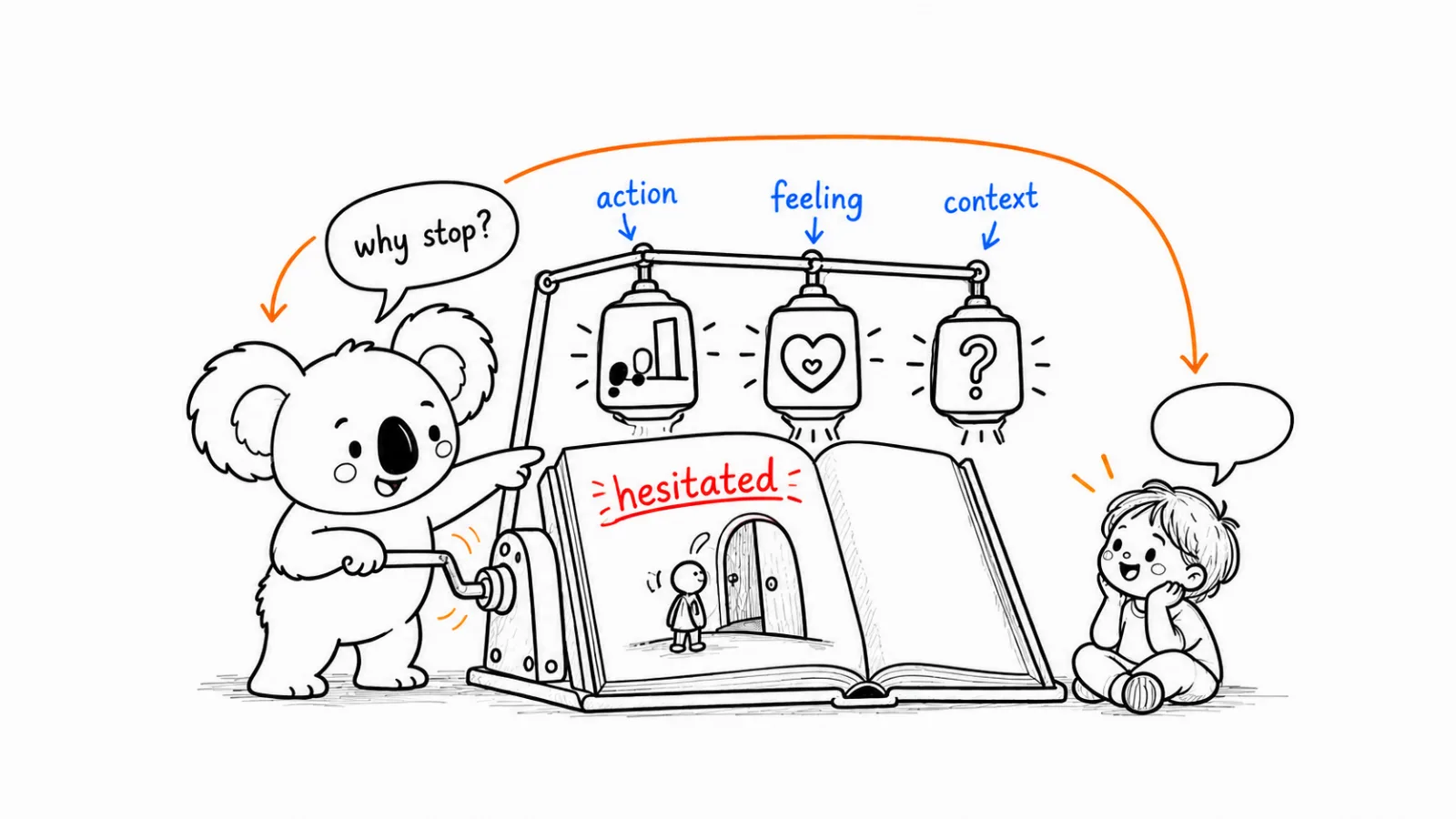
For example, if a story says a character “hesitated,” a parent might ask, “Why do you think she stopped?” That brief exchange helps the child connect a new word with motivation, emotion and context. The adult can adjust the explanation to the child’s age and existing knowledge.
Shared reading can also support:
- ●Turn-taking: The child comments, asks questions and listens to a response.
- ●Narrative skills: The adult can ask what happened first, next and last.
- ●Prediction: The child can use pictures and prior events to guess what may happen.
- ●Print awareness: Pointing to a title, a repeated word or a speech mark helps connect spoken and written language.
- ●Emotional vocabulary: Facial expressions and illustrations create openings to discuss how characters feel.
The interaction should remain natural. Turning every page into a quiz can interrupt enjoyment, particularly at bedtime. One or two genuine comments—“That was a surprising choice” or “What do you think is behind the door?”—are often enough.
Where Audio Stories Are Especially Useful
Audio stories ask children to follow language through sound. Without an adult interpreting every moment, children practise holding details in mind, tracking a sequence and using tone, sound effects and context to understand what is happening.
They can be particularly useful when:
- ●A child wants to hear the same story repeatedly.
- ●A parent is driving, preparing dinner or caring for another child.
- ●A child is resting but is not ready to sleep.
- ●The family wants another model of fluent, expressive English.
- ●A confident listener enjoys imagining characters and settings without illustrations.
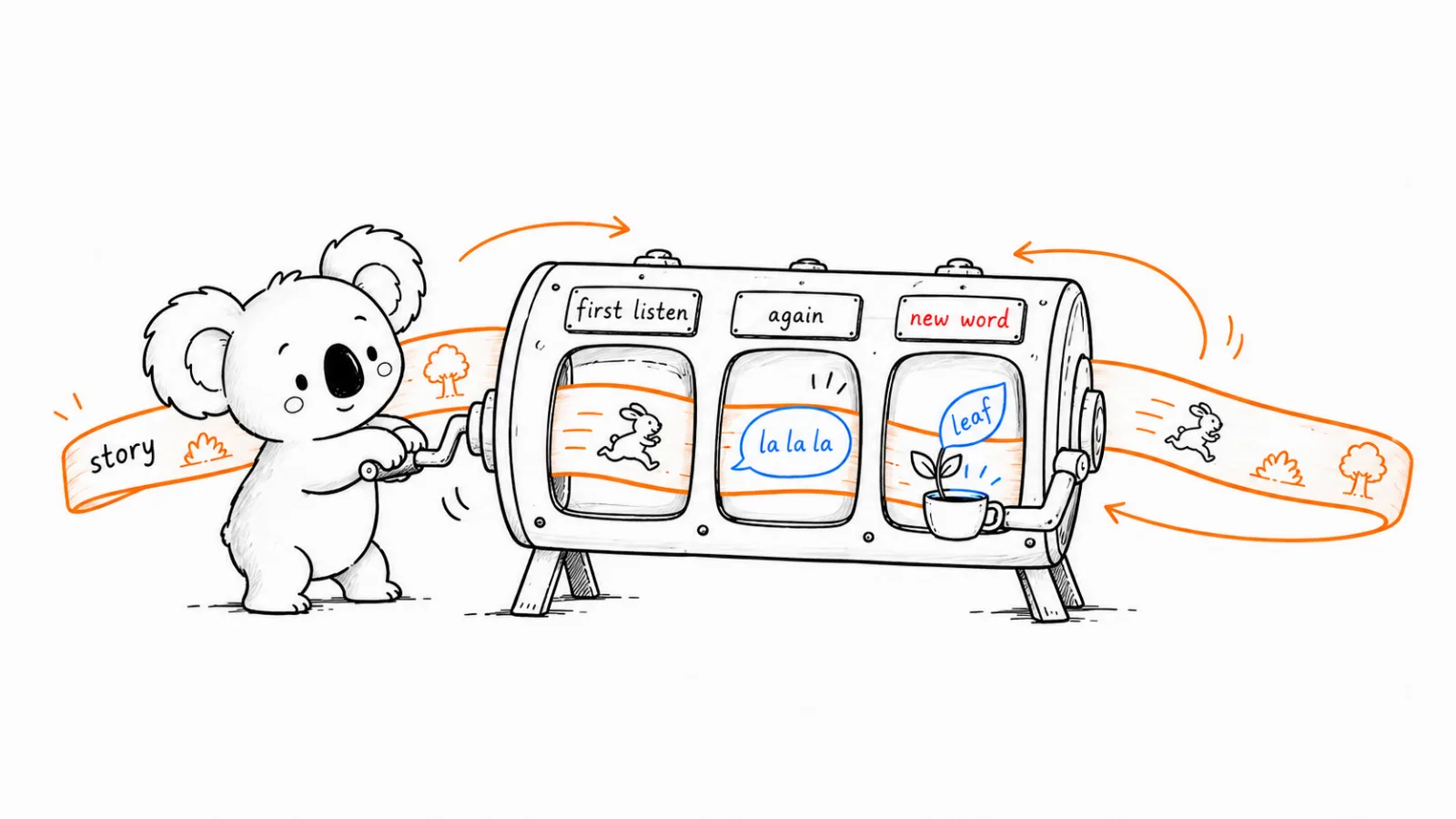
Repetition matters because children often notice more language each time. On the first listen, they may follow the action. Later, they may recognise a repeated phrase, anticipate a line or use a new word in conversation.
Choose recordings with clear, calm narration and age-appropriate language. Overly busy sound effects can compete with the words, especially for younger children or those who find sustained listening difficult. An ad-free app such as Gula Stories can help preserve a calm listening environment through natural voices and age-appropriate recommendations.
Audio stories should not be treated as direct reading instruction. They do not, by themselves, show how sounds map onto letters or how print works. Children still benefit from handling books and seeing adults read.
How to Combine Audio and Read-Aloud Time
A simple combination can provide both interactive language and independent listening practice.
For ages 2–4
Keep stories short and familiar. Read aloud often, using pictures, gestures and brief comments to support meaning. Audio works well for favourite stories, but many children at this age still need an adult nearby to help them stay engaged.
Try asking:
- ●“Where is the bear going?”
- ●“Can you show me the enormous tree?”
- ●“What sound did you hear?”
For ages 5–6
Use both formats to build story understanding. A child might listen to a story during quiet time, then tell you one memorable part later. During read-aloud time, explore interesting words without stopping too frequently.
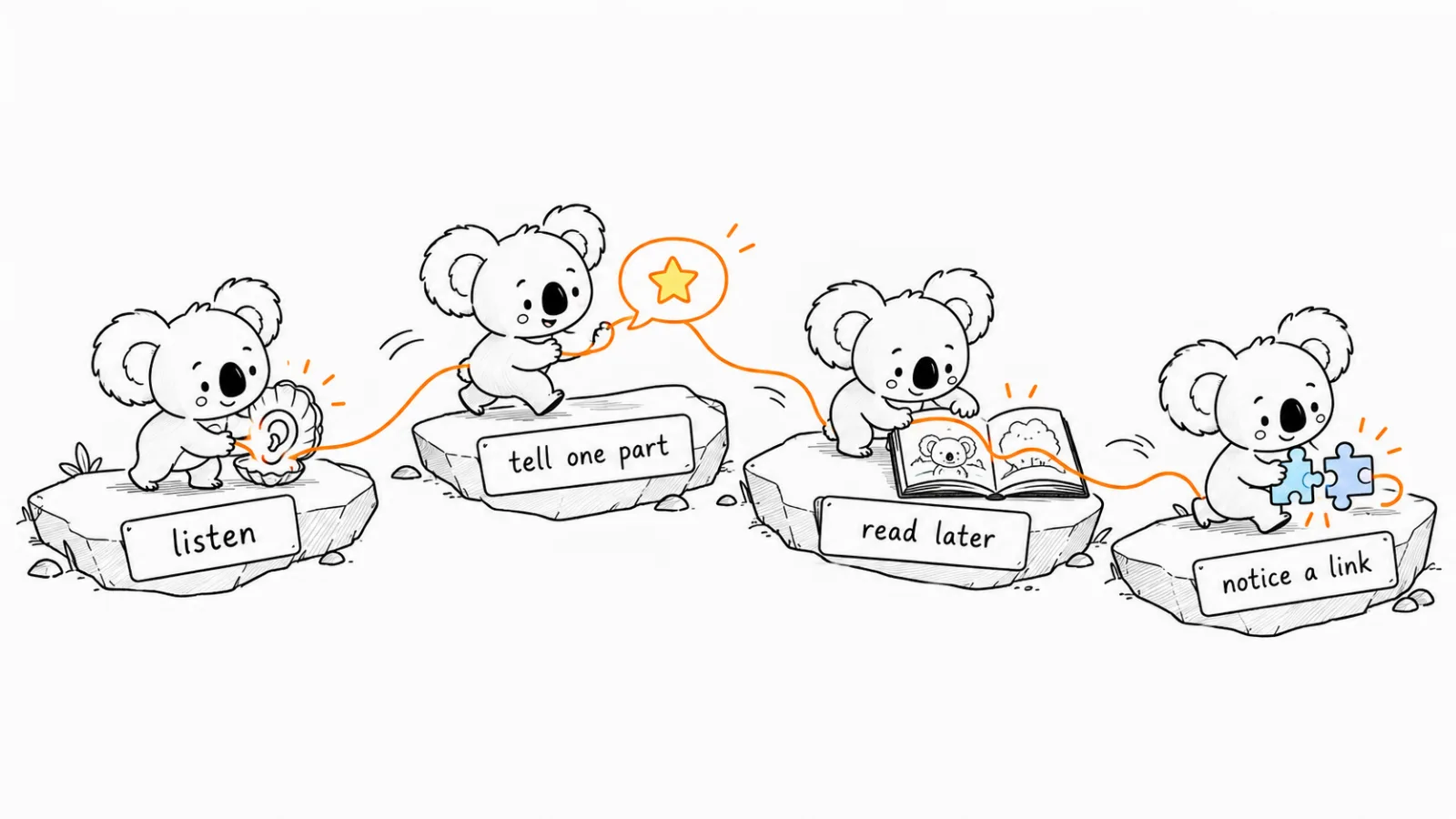
A practical sequence is:
- ●Listen to a short story.
- ●Ask the child to describe one character or event.
- ●Read a related picture book on another day.
- ●Notice any words, themes or story patterns that appear in both.
For ages 7–8
Longer audio stories can help children practise following chapters, remembering characters and understanding events across time. Reading aloud remains worthwhile even when a child can read independently because children can often understand more complex spoken language than they can yet decode alone.
Let the child alternate between listening, independent reading and shared reading. If possible, use the print and audio versions of the same story at different times—not as a test, but as two ways to experience it.
Make Either Format More Language-Rich
A few small habits are more useful than constant questioning:
- ●Pause occasionally, not continually. Protect the flow of the story.
- ●Explain only important unfamiliar words. Use a short definition or example, then continue.
- ●Invite retelling. Ask, “What would you tell someone who missed the story?”
- ●Connect the story to real life. A story about waiting might lead to a brief conversation about patience.
- ●Follow the child’s interest. Repeated requests are useful language practice, not a need to move on.
- ●Keep it enjoyable. Warm, attentive story experiences encourage children to return to language.
Children vary in how easily they follow spoken stories. If a child persistently struggles to understand familiar language, follow simple story sequences or communicate at an expected level, discuss the concern with a health professional, teacher or qualified speech and language professional. Guidance from recognised services such as HealthyChildren.org, the NHS or Raising Children Network can also help parents understand typical development without attempting to diagnose a child.
FAQ
Do audio stories count as screen time?
Audio-only listening does not require watching a screen, although the device may still be used to select and play a story. Features such as autoplay, a locked screen or a bedtime-focused app can reduce visual interaction.
Should children look at a book while listening to the audio?
They can, especially if the audio matches the book and the child enjoys following along. However, listening without pictures also has value because it encourages the child to build a mental image from words and sounds.
Is it helpful to play audio stories in the background?
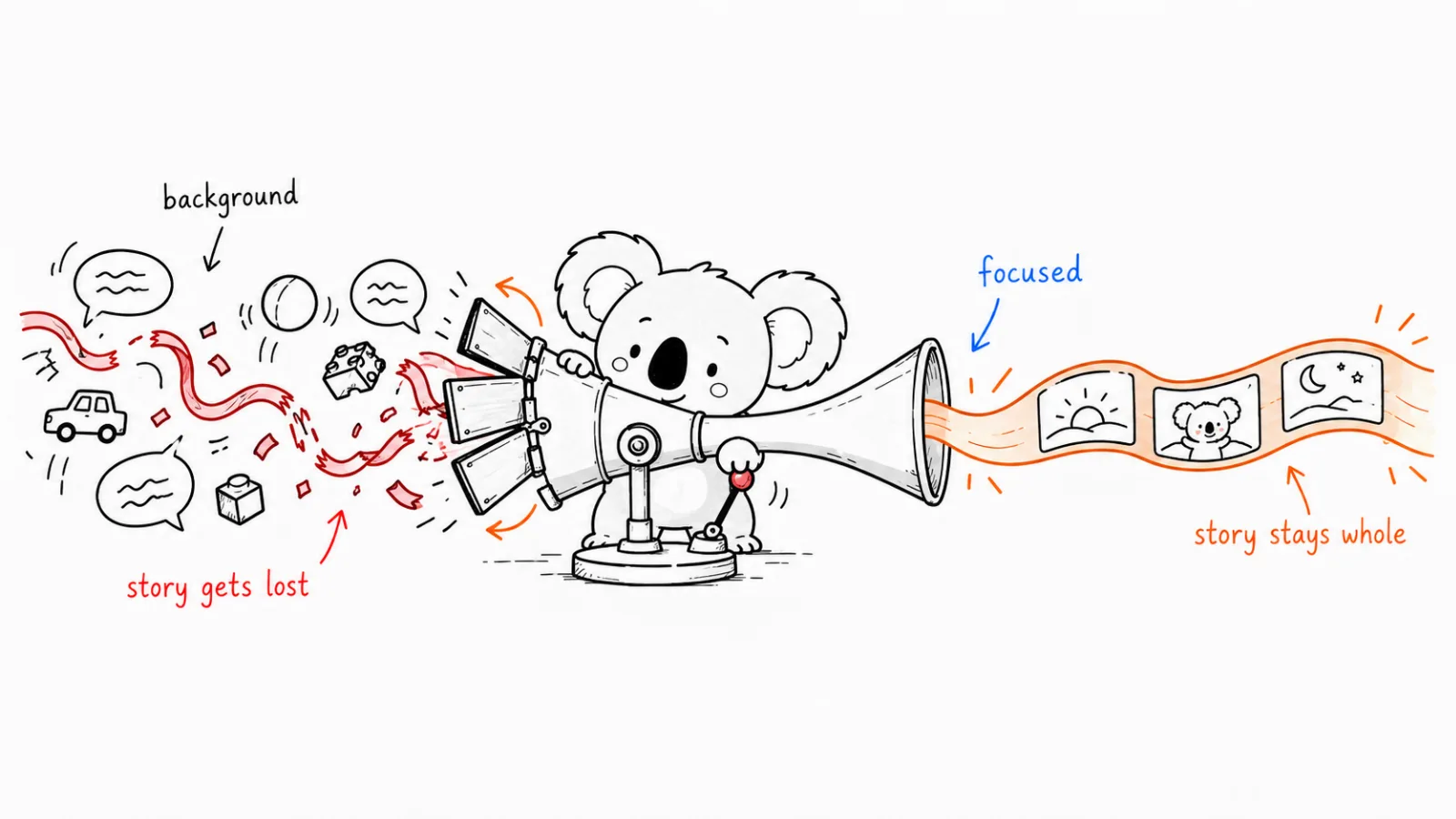
Focused listening is generally more useful for language than audio competing with play, conversation or other noise. Background stories may become difficult to follow, so choose a quiet period when the child can attend to the narrative.
Can audio stories help a child learning more than one language?
They can provide clear, repeatable exposure to pronunciation, vocabulary and sentence patterns. Conversation with responsive speakers remains important because children also need opportunities to use the language and receive meaningful replies.
The Bottom Line
Reading aloud usually offers the broader language experience because it combines stories with conversation, print and responsive support. Audio stories add a different strength: concentrated listening and independent meaning-making. Use both when they fit family life, while keeping shared reading and everyday conversation at the centre.
Ready for calmer bedtimes?
Try Gula Stories free — 5 narrated bedtime stories, ad-free, for children ages 3-8.